
- Physical Examination
- Surgical Examination
- Ophthalmology
- Clinical Skills
- Orthopedics
- Surgery Videos
- Laparoscopy
- Pediatrics
- Funny Videos
- Cardiothoracic Surgery
- Nursing Videos
- Plastic Surgery
- Otorhinolaryngology
- Histology and Histopathology
- Neurosurgery
- Dermatology
- Pediatric Surgery
- Urology
- Dentistry
- Oncology and Cancers
- Anatomy Videos
- Health and Fitness
- Radiology
- Anaesthesia
- Physical Therapy
- Pharmacology
- Interventional Radiology
- Cardiology
- Endocrinology
- Gynecology
- Emergency Medicine
- Psychiatry and Psychology
- Childbirth Videos
- General Medical Videos
- Nephrology
- Physiology
- Diet and Food Health
- Diabetes Mellitus
- Neurology
- Women Health
- Osteoporosis
- Gastroenterology
- Pulmonology
- Hematology
- Rheumatology
- Toxicology
- Nuclear Medicine
- Infectious Diseases
- Vascular Disease
- Reproductive Health
- Burns and Wound Healing
- Kidney Zone Podcast
- Other
Coronary angiogram (cardiac catheterisation)
Category: Heart Tests & Procedures · All heart tests & procedures
What it is
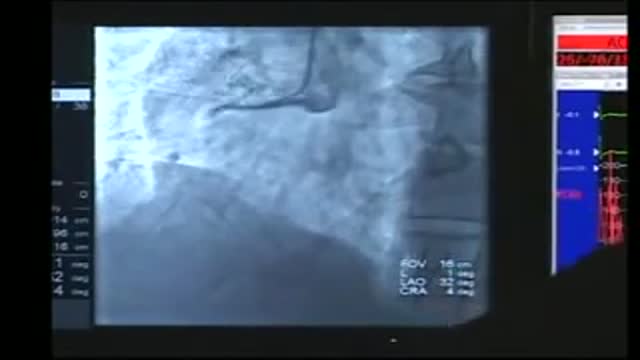
A coronary angiogram (cardiac catheterisation) is an X-ray procedure in which a fine tube is passed through a blood vessel in the wrist or groin to the heart, and dye is injected to show the coronary arteries and any narrowings.
Why it is done
It is the definitive test for coronary artery disease and is used to investigate angina and heart attacks, and to plan treatment such as stenting or bypass surgery. Treatment with a stent can often be done during the same procedure.
How to prepare
You usually fast for several hours. Blood tests, kidney function and an ECG are checked, and the team will ask about allergies and blood-thinning medicines. You will have a cannula placed and the access site prepared.
What happens during the procedure
You lie on an X-ray table. The wrist or groin is numbed with local anaesthetic, the catheter is guided to the heart using X-rays, and dye injections make the arteries show up; you may feel a warm flush. Pictures take about 20 to 40 minutes. If a stent is fitted (angioplasty), the procedure continues longer.
Afterwards — recovery & results
You will rest with monitoring for a few hours. The access site is checked for bleeding; a wrist band or groin pressure device may be used. Many people go home the same day after a diagnostic test. You should arrange for someone to take you home and take it easy for a day or two.
Risks & considerations
Risks include bruising or bleeding at the access site, an allergic-type reaction to dye, effects on the kidneys, irregular heartbeat, and rarely heart attack, stroke or damage to the artery. Your cardiologist will explain the balance for your case, and serious complications are uncommon.
Watch: Coronary angiogram (cardiac catheterisation) videos
Real procedure videos from the MedicalVideos.com library. Some clinical footage is graphic — that is the nature of a medical video library.
Related guides on MedicalVideos.com
Frequently asked questions
Will I be awake?
Most people are awake with local anaesthetic and sometimes light sedation. You should not feel pain; tell the team if you feel unwell or have chest discomfort.
If a narrowing is found, is it always stented?
Not always. Depending on the pattern, medicines alone or bypass surgery may be better options. The team discusses the pictures with you and sometimes with the wider heart team before deciding.
Related procedures — Heart Tests & Procedures
Browse the C section of the A–Z list or return to the Procedures & Tests hub.