
- Physical Examination
- Surgical Examination
- Ophthalmology
- Clinical Skills
- Orthopedics
- Surgery Videos
- Laparoscopy
- Pediatrics
- Funny Videos
- Cardiothoracic Surgery
- Nursing Videos
- Plastic Surgery
- Otorhinolaryngology
- Histology and Histopathology
- Neurosurgery
- Dermatology
- Pediatric Surgery
- Urology
- Dentistry
- Oncology and Cancers
- Anatomy Videos
- Health and Fitness
- Radiology
- Anaesthesia
- Physical Therapy
- Pharmacology
- Interventional Radiology
- Cardiology
- Endocrinology
- Gynecology
- Emergency Medicine
- Psychiatry and Psychology
- Childbirth Videos
- General Medical Videos
- Nephrology
- Physiology
- Diet and Food Health
- Diabetes Mellitus
- Neurology
- Women Health
- Osteoporosis
- Gastroenterology
- Pulmonology
- Hematology
- Rheumatology
- Toxicology
- Nuclear Medicine
- Infectious Diseases
- Vascular Disease
- Reproductive Health
- Burns and Wound Healing
- Kidney Zone Podcast
- Other
Ventricular Tachycardia and Ventricular Fibrillation
Ventricular tachycardia and ventricular fibrillation are dangerous rhythms that start in the heart's lower chambers and can stop effective pumping. This page explains what they look like on an ECG, why they happen, and why immediate treatment matters, in plain language with videos.
✓ Medically reviewed by Dr. Mohamed Ibrahim, MD, PhD — physician-scientist · Last reviewed: November 2026
Watch: Ventricular Tachycardia and Ventricular Fibrillation videos
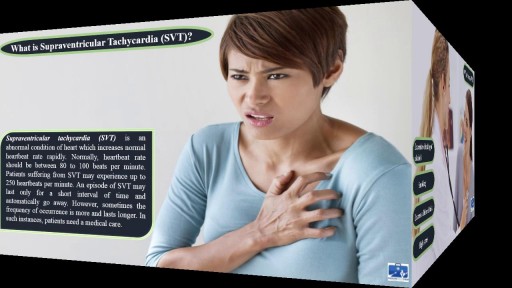 What is Supraventricular Tachycardia (SVT)9,603 views
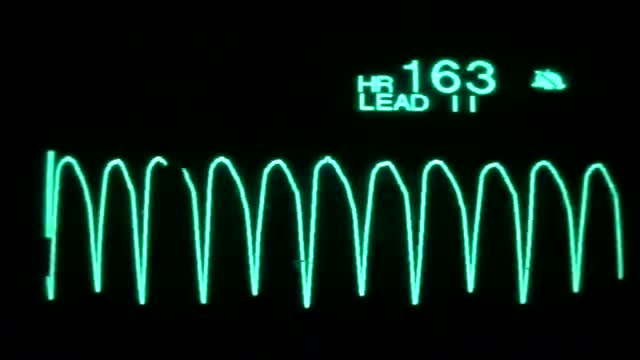 Pulseless Ventricular Tachycardia Monitoring6,414 views
 Ventricular Fibrillation3,060 views
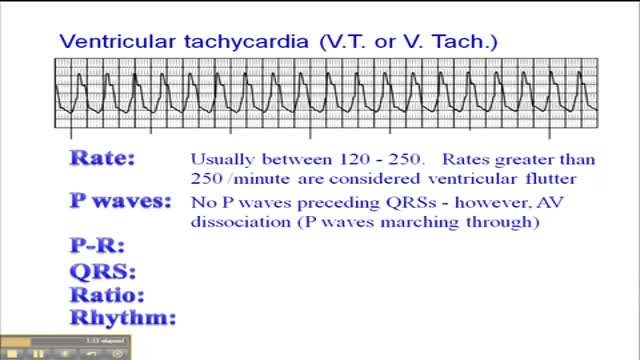 Ventricular Tachycardia3,026 views
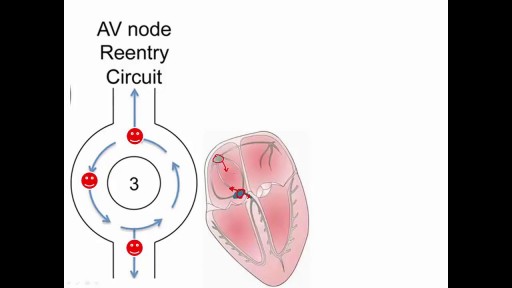 understanding supraventricular tachycardia or SVT2,211 views
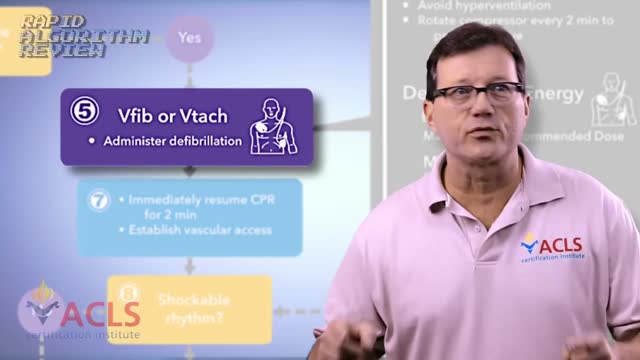 Rapid Algorithm Review Ventricular Fibrillation1,437 views
Guide
What it is
Most rhythms are controlled from above, but ventricular tachycardia (VT) starts in the lower chambers themselves: an area of ventricle fires rapidly and takes over, driving the heart too fast to fill and pump properly. Ventricular fibrillation (VF) is worse — the electrical activity becomes completely chaotic, the ventricles quiver instead of contracting, and no blood is pumped at all. VF is one of the main causes of sudden cardiac arrest. Both rhythms are emergencies, and the ECG or monitor tracing is what identifies them in the moment.
What the tracing shows
Ventricular tachycardia usually shows a rapid series of wide, broad QRS complexes, one after another, because the ventricles are driving themselves without the normal fast conduction system. The rate is usually well above 100 beats a minute. Ventricular fibrillation has no organised pattern at all: the line wiggles chaotically, with no recognisable QRS complexes, P waves, or T waves, because the heart is quivering rather than pumping. A monitor showing this pattern in a collapsed person means cardiac arrest and immediate resuscitation.
What it can mean
These rhythms point to serious underlying problems: coronary artery disease and heart attack, weakened or scarred heart muscle, severe blood-salt disturbance, or inherited electrical conditions. Surviving ventricular tachycardia leads to a full work-up — ECGs, scans of the heart, blood tests, and often an angiogram — and many people are offered an implantable defibrillator (ICD) to guard against recurrence. Short runs of ventricular tachycardia found on monitors, even without symptoms, are always taken seriously and investigated.
When it is urgent
Ventricular fibrillation is cardiac arrest: call emergency services, start CPR, and use a defibrillator as soon as one is available — survival falls with every minute of delay. Sustained ventricular tachycardia with chest pain, breathlessness, dizziness, or collapse is likewise an emergency treated in hospital, with medicines or a controlled shock, and sometimes emergency treatment of a blocked artery. If you have an ICD and receive a shock, or you witness someone collapse, follow your care plan and seek urgent medical help the same day.
Common questions
How is ventricular tachycardia different from atrial fibrillation on an ECG?
Ventricular tachycardia usually shows a fast, regular rhythm with wide QRS complexes. Atrial fibrillation with a conduction block can also look wide and fast but is irregular, so uncertain fast rhythms are treated as ventricular tachycardia until proven otherwise.
What is the treatment for ventricular fibrillation?
Ventricular fibrillation is treated with CPR and defibrillation — an electric shock from a defibrillator — as fast as possible. Every minute counts, and public-access defibrillators give clear voice instructions.
What is an ICD?
Some people at high risk are offered an implantable cardioverter-defibrillator (ICD), a small device that monitors the rhythm and delivers a shock automatically if a dangerous rhythm starts.
Can ventricular tachycardia happen without symptoms?
Yes, rarely. Short runs of ventricular tachycardia that stop on their own can be found on monitors in people who feel nothing. They still need assessment, because they can signal heart disease that needs treatment.
More in Rhythm Patterns
Related
Sources
- Heart Arrhythmia (MedlinePlus)
- Heart Attack (MedlinePlus)
- Arrhythmia (British Heart Foundation)
- About Heart Disease (CDC)
This guide is general information, not medical advice, and does not replace advice from your own clinician. ECG patterns should always be interpreted in context by a trained professional. If you have chest pain, severe breathlessness, fainting or a racing heartbeat that will not settle, seek urgent medical care. Ventricular tachycardia and ventricular fibrillation are medical emergencies; this page is educational and is not a guide to self-treatment.