
- Physical Examination
- Surgical Examination
- Ophthalmology
- Clinical Skills
- Orthopedics
- Surgery Videos
- Laparoscopy
- Pediatrics
- Funny Videos
- Cardiothoracic Surgery
- Nursing Videos
- Plastic Surgery
- Otorhinolaryngology
- Histology and Histopathology
- Neurosurgery
- Dermatology
- Pediatric Surgery
- Urology
- Dentistry
- Oncology and Cancers
- Anatomy Videos
- Health and Fitness
- Radiology
- Anaesthesia
- Physical Therapy
- Pharmacology
- Interventional Radiology
- Cardiology
- Endocrinology
- Gynecology
- Emergency Medicine
- Psychiatry and Psychology
- Childbirth Videos
- General Medical Videos
- Nephrology
- Physiology
- Diet and Food Health
- Diabetes Mellitus
- Neurology
- Women Health
- Osteoporosis
- Gastroenterology
- Pulmonology
- Hematology
- Rheumatology
- Toxicology
- Nuclear Medicine
- Infectious Diseases
- Vascular Disease
- Reproductive Health
- Burns and Wound Healing
- Kidney Zone Podcast
- Other
What Is an ECG (EKG)?
An electrocardiogram (ECG) is a simple test that records the heart's electrical activity through small sensors placed on the skin. This page explains what an ECG shows, how the test is done, and what its tracing can and cannot tell you, in plain language with videos.
✓ Medically reviewed by Dr. Mohamed Ibrahim, MD, PhD — physician-scientist · Last reviewed: November 2026
Watch: What Is an ECG (EKG)? videos
 The dance of the ECG93,547 views
 How to read ECG Part 176,124 views
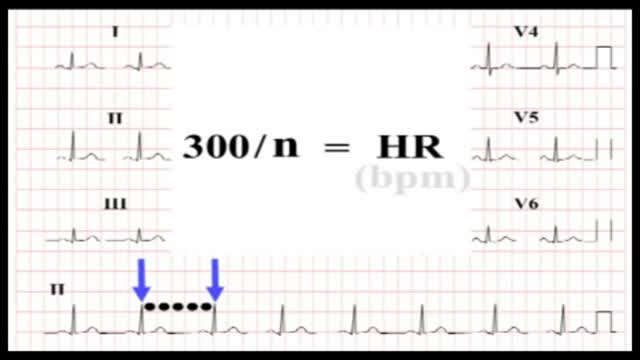 ECG Interpretation20,810 views
 The basics of the ECG17,257 views
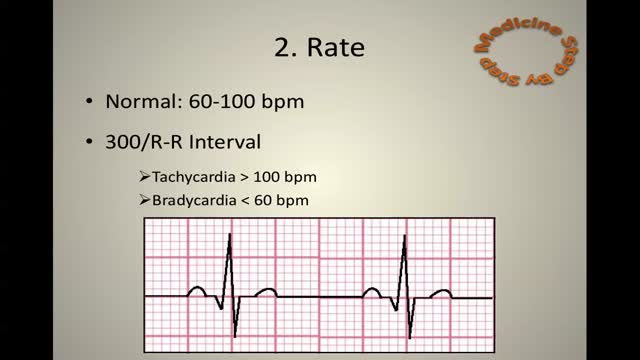 11 Steps to Read an ECG ( EKG )12,083 views
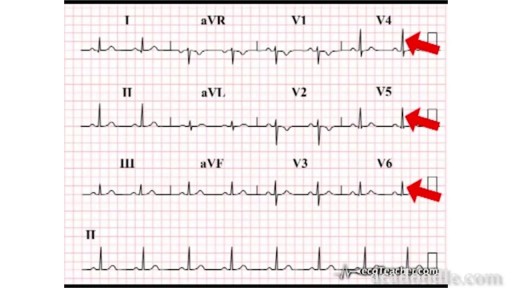 EKG Basics in one minute2,206 views
Guide
What it is
An ECG — also called an EKG, from the German spelling — is a recording of the electrical signals that spread through the heart with each beat. A natural pacemaker area in the upper heart starts each signal, which then travels through the upper chambers, pauses briefly, and sweeps through the lower chambers to make them squeeze. Sensors on the skin pick up these signals and a machine draws them as a line with repeating waves. Doctors use the shape, timing, and rhythm of those waves to learn how the heart is working.
What the tracing shows
During the test you lie still while a trained staff member places small sticky sensors, called electrodes, on your chest, arms, and legs. A standard ECG uses 10 electrodes and records for just a few seconds, producing 12 different views of the same heartbeat, called leads. The machine prints or displays the tracing on a grid. You feel nothing from the recording itself, and the whole appointment usually takes only a few minutes. The result is a permanent record that can be compared with past or future tracings.
What it can mean
An ECG can show how fast the heart is beating, whether the rhythm is regular, and whether the electrical signals are travelling through the heart normally. It can reveal signs of a current or past heart attack, thickened or strained heart muscle, and some effects of abnormal blood salts or medicines. It cannot show everything: it does not directly picture the heart's structure or valves, and a normal tracing does not rule out heart disease. That is why ECG findings are always read alongside symptoms, examination, and often other tests.
When it is urgent
An ECG is often done urgently when someone has chest pain, severe breathlessness, palpitations, fainting, or a very fast or slow pulse. If you have these symptoms, seek emergency care rather than waiting for a routine test. A tracing taken during symptoms is especially valuable, because rhythm problems that come and go may look normal between episodes. If your ECG shows a worrying pattern, the team may repeat it, monitor your heart continuously, and arrange blood tests or scans to find the cause.
Common questions
Does an ECG hurt?
No. An ECG is painless: the electrodes only record signals from the skin's surface and send nothing into the body. Removing the sticky pads afterwards can pull slightly, like taking off a plaster.
How long does an ECG take?
The recording itself takes only a few seconds once the electrodes are in place. Placing the electrodes and preparing the skin usually brings the whole test to around five minutes.
What is the difference between an ECG and an EKG?
There is no difference: ECG and EKG are two names for the same test. EKG comes from the German word Elektrokardiogramm and is often used to avoid confusion with EEG, the brain-wave test.
Can a normal ECG rule out heart problems?
No. A normal ECG is reassuring, but it is only a few seconds of recording and cannot rule out heart disease. Symptoms such as chest pain always need proper assessment even when the tracing looks normal.
More in Basics
Related
Sources
- Electrocardiogram (ECG) test (MedlinePlus)
- Electrocardiogram (ECG) (NHS)
- ECG (electrocardiogram) (British Heart Foundation)
- Electrocardiogram (ECG or EKG) (American Heart Association)
This guide is general information, not medical advice, and does not replace advice from your own clinician. ECG patterns should always be interpreted in context by a trained professional. If you have chest pain, severe breathlessness, fainting or a racing heartbeat that will not settle, seek urgent medical care. An ECG tracing is one part of an assessment and should always be interpreted together with your symptoms and history by a qualified clinician.