
- Procedures & Tests
- Symptoms A-Z
- Symptom Checker
- Kidney Diet
- First Aid
- Anatomy Atlas
- Ask MedicalVideos
- Drug Guide
- Lab Values
- Vital Signs
- Muscles A–Z
- Clinical Signs
- Medical Abbreviations
- Medical Terminology
- Physical Examination
- Surgical Examination
- Ophthalmology
- Clinical Skills
- Orthopedics
- Surgery Videos
- Laparoscopy
- Pediatrics
- Medical Humor
- Cardiothoracic Surgery
- Nursing Videos
- Plastic Surgery
- Otorhinolaryngology
- Histology and Histopathology
- Neurosurgery
- Dermatology
- Pediatric Surgery
- Urology
- Dentistry
- Oncology and Cancers
- Anatomy Videos
- Health and Fitness
- Radiology
- Anaesthesia
- Physical Therapy
- Pharmacology
- Interventional Radiology
- Cardiology
- Endocrinology
- Gynecology
- Emergency Medicine
- Psychiatry and Psychology
- Childbirth Videos
- General Medical Videos
- Nephrology
- Physiology
- Diet and Food Health
- Diabetes Mellitus
- Neurology
- Women Health
- Osteoporosis
- Gastroenterology
- Pulmonology
- Hematology
- Rheumatology
- Toxicology
- Nuclear Medicine
- Infectious Diseases
- Vascular Disease
- Reproductive Health
- Burns and Wound Healing
- Kidney Zone Podcast
- Other










Parásitos que invaden el cuerpo humano: casos y cómo se tratan
hooda. Parasites That Invade the Human Body: Cases and How They Are Treated [video]. MedicalVideos.com; 2024 Jan 17 [cited 2026 Nov 29]. Available from: https://www.medicalvideos.com/watch/parasites-that-invade-the-human-body-cases-and-how-they-are-treated_01378649630ed94f57ee.html
hooda (2024, January 17). Parasites That Invade the Human Body: Cases and How They Are Treated [Video]. MedicalVideos.com. https://www.medicalvideos.com/watch/parasites-that-invade-the-human-body-cases-and-how-they-are-treated_01378649630ed94f57ee.html
hooda. “Parasites That Invade the Human Body: Cases and How They Are Treated.” MedicalVideos.com, 17 Jan. 2024, https://www.medicalvideos.com/watch/parasites-that-invade-the-human-body-cases-and-how-they-are-treated_01378649630ed94f57ee.html. Accessed 29 Nov. 2026.
@misc{medicalvideos2024_01378649630ed94f57ee,
  author = {hooda},
  title = {Parasites That Invade the Human Body: Cases and How They Are Treated},
  publisher = {MedicalVideos.com},
  year = {2024},
  month = {1},
  url = {https://www.medicalvideos.com/watch/parasites-that-invade-the-human-body-cases-and-how-they-are-treated_01378649630ed94f57ee.html},
  note = {Video},
  urldate = {2026-11-29}
}Vancouver (NLM) is the manuscript standard for medical journals. RIS imports into EndNote, Zotero and Mendeley.

Educational only: videos on MedicalVideos.com are for general information and are not medical advice. Always consult your own doctor about your health.
Una visión educativa general de las infecciones parasitarias que invaden el tejido humano, con casos clínicos reales. Solo con fines educativos — no es consejo médico.
This video in 30 seconds
This narrated countdown profiles ten invasive parasites that live in or on the human body, illustrated with clinical cases. It begins with blood flukes that use snails as an intermediate host before entering through human skin, and works through worms, flies, and other parasites in turn. Each entry describes how the parasite reaches humans, where it lives in the body, and the effects it can cause.
Key points
- Blood flukes and their snail intermediate host open the countdown
- Horsehair worms and their insect hosts are profiled
- Roundworm-related swelling conditions and the tsetse fly are covered
- The eye worm and the parasite responsible for river blindness are profiled
- Anisakis, whipworms, and human botflies complete the list
Chapters
- 0:00 — Introduction and blood flukes
- 1:30 — Horsehair worms profiled
- 2:23 — Roundworms and tsetse fly
- 4:41 — Loa loa eye worm
- 5:41 — River blindness parasite
- 6:40 — Anisakis worm infection profiled
- 8:24 — Botflies that infect humans
Ask this video
Ask about a step, a term, or a moment in this video. The answer is quoted from the video's own transcript — tap a timestamp to jump the player there.
Quoted from the auto-generated transcript, so an occasional word may be the transcript's own error. Educational only — not medical advice and not a diagnosis.
Video Transcript
A narrated countdown of ten invasive parasites that live in or on the human body, with clinical cases. It begins with blood flukes (Schistosoma) — flatworms that use snails as an intermediate host before entering through human skin and settling in the bladder or intestine — and works through the rest of the list in the same illustrated, case-based style.
Read the full transcript
Here are the 10 most invasive parasites in the world. Despite their size, these tiny terrorizers will leave you digging into your own skin.
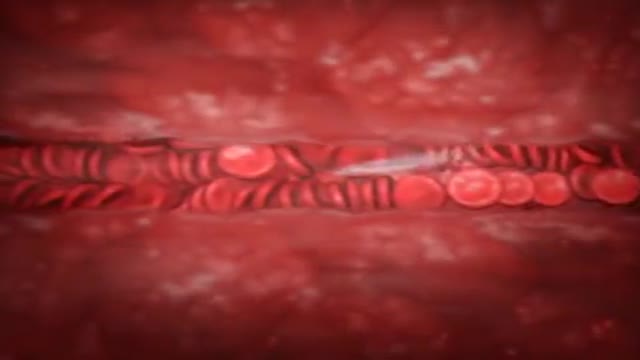
Number 10 Blood Flux Scientifically known as Schistosoma, blood flutes are one of the most common parasites in the world, affecting hundreds of millions of people worldwide. Their type of flatworm parasite that uses snails as an intermediate host by latching onto them, then attaching themselves onto human skin and hatching eggs inside the human's bladder or intestine. Once inside your body, blood flux can live a very long time. The initial symptoms of itching and rashes begin appearing in just a few days. After a couple months, diarrhea, coughing, headaches, and fever will
likely occur. Several years of leaving it untreated will then lead to the eggs spreading and infecting organs such as the lungs, liver, and bladder. They may even affect the spinal cord and brain, thus causing paralysis and seizures. This parasite is found primarily in Africa, the Middle East, South America, and parts of South Asia. Children are at especially high risk as they can develop learning disabilities and suffer from malnutrition. As such, the World Health Organization considers blood flutes to be among the most socio-economically damaging parasites in the world.
Number 9 The Horsehair Worm Also known as Gordian worms or nematomorpha, the horsehair worm is a parasitic worm found in watery areas such as pools, creeks, and puddles. Scientists believe this parasite is comprised of anywhere between 350 to 2,000 different subspecies. While horsehair worms do not pose any direct threat to humans, they do pose an interestingly unique and specific danger towards crickets. They hatch as larvae at the bottom of a creek, stream, or puddle, then wait to be eaten by a cricket. Once consumed, the horsehair worm will navigate its way into
the cricket's body cavity where it absorbs nutrients from the cricket. As soon as this parasite breaks free, it coaxes the cricket into drowning itself so the horsehair worm can fully emerge. After leaving the dead cricket, it then finds a mate who helps it reproduce by laying eggs. The male worm dies and the deadly cycle continues. Number 8 Roundworms Roundworms are parasites responsible for causing a disease in humans known as flairiasis. Carried by flies and mosquitoes, they infect one's bloodstream with the potential to reach the lymphatic system, causing the body parts, such as your limbs and genitals, to swell up well beyond
the normal size. The skin will also become thick and painful as a result of infection. Roundworm-induced flairiasis affects close to 1 billion people in 80 countries throughout the world. Fortunately, this condition is treatable through the use of oral drugs such as diethylcarbamazine, which kills off the infection and prevents further transmission to other people. Number 7 The T.T. Fly Found in Africa, the T.T. Fly is one of the main causes of trypanosomiasis, or African sleeping sickness. This parasitic disease affects roughly 10 million people and is most common in more rural areas. Symptoms include headaches, fever, joint pain,
poor coordination, infusion, muscle weakness, paralysis of the limbs, and trouble sleeping. It can eventually prove fatal if treatment is not sought, causing death due to eventual organ failure. While the disease has been present in Africa for thousands of years, the death rate has decreased in recent years due to advances in modern medicine. In 1990, for example, about 34,000 people died from African sleeping sickness, which is close to four times higher than its current death rate of 9,000 people per year. Number 6 The Emerald Jewel Wasp Also known as the Emerald Cockroach, the Emerald Jewel is known for paralyzing cockroaches in
order to use them for their larvae. They're native to South Asia as well as parts of Africa and the Pacific Islands, where they paralyze cockroaches with their sting, then leave them to their nest trap in a burrow. Here, the Emerald Jewel proceeds to lay its eggs inside the roaches abdomen. Over a period of about 10 days, the wasp controls the amount of venom injected into its victim in order to keep it alive, all the while allowing its larva to feed off the roaches organs. Controlling the venom is important as too much venom will kill the cockroach, while
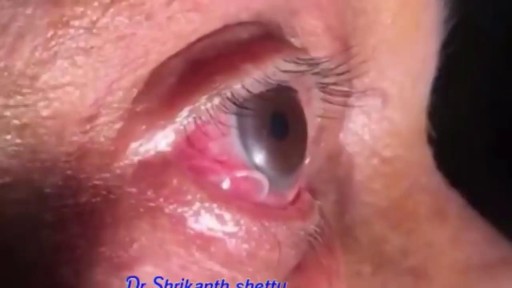
too little will allow it to make a full recovery. Wasps keep the roaches alive in order to feast off their bodies and harvest their own eggs. A cocoon is then formed here, where eventually a full grown wasp is born. It is at this point that the cockroach finally dies. Number 5 Loa Loa Commonly referred to as the Eye Worm, the Loa Loa is one of the main causes of a condition known as Loa Loa Phylariosis, which is both a skin and eye disease. The Loa Loa is transmitted to
humans through deer flies and can live inside humans for up to 17 years. Once they infect you, they find their way into your body through your skin or eyes. This often causes itching, swelling, and at times severe pain if there were migrates underneath your eyes. Other symptoms include fluid buildup in the testicles and men, damage to the large intestine, arthritis, damage to the retina layers, infection of the lymph glands, and kidney disease. Medications alone are not capable of completely treating Loa Loa Phylariosis. Thus, surgery is often required along with the use of prescribed drugs after surgery for continued
treatment. An estimated 12 million people across 11 different countries in Africa are infected by the Loa Loa. Number 4 Onchocerca Volvulus The parasitic nematode known as Onchocerca Volvulus is responsible for river blindness, the second leading cause of blindness in the world, second only to trachoma. 37 million people are affected by this in some form or another, while another estimated 800,000 have suffered some degree of vision loss. The vast majority of those affected reside in sub-Saharan Africa. River blindness gets its name from the fact that the Onchocerca Volvulus
nematode infects black flies living near rivers. Once the fly bites a human, the worms make their way into your skin and hatch larvae that make their way back up to the surface of your skin as well as your eyes, thus causing the blindness. In addition to vision loss, river blindness also causes symptoms such as bumps under the skin, severe itching, a rare form of epilepsy called nodding disease, and a condition known as Mazadi reaction. Mazadi reaction can be life-threatening as it induces fever, abdominal pain, edema, swollen lymph nodes, and an allergic reaction to medicine.
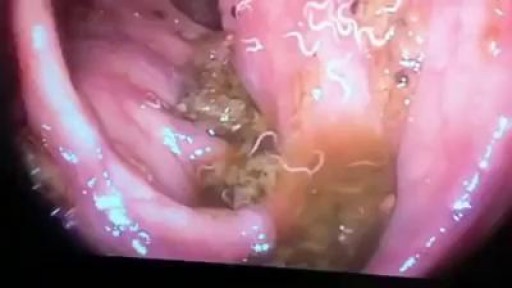
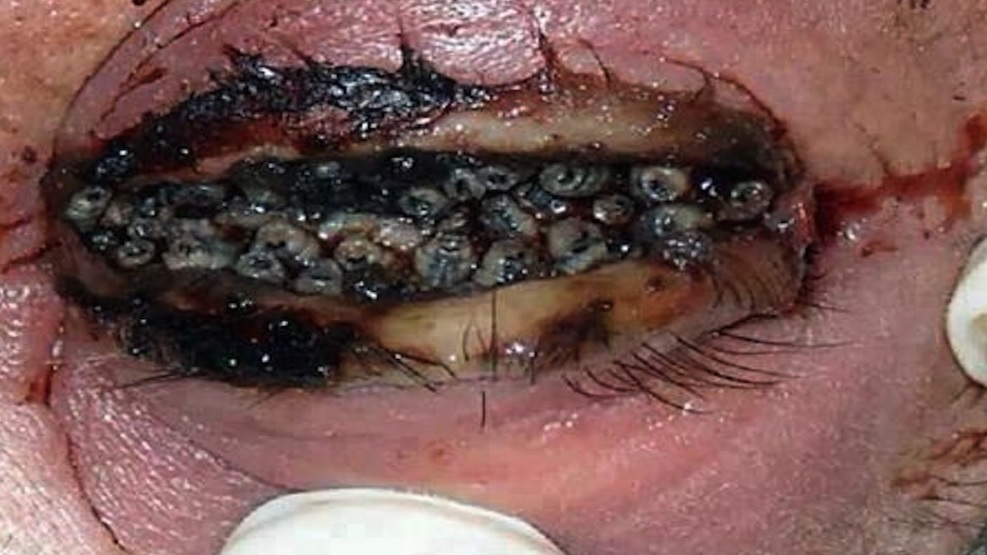
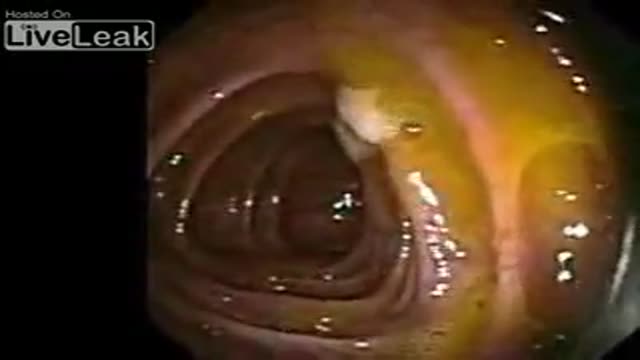
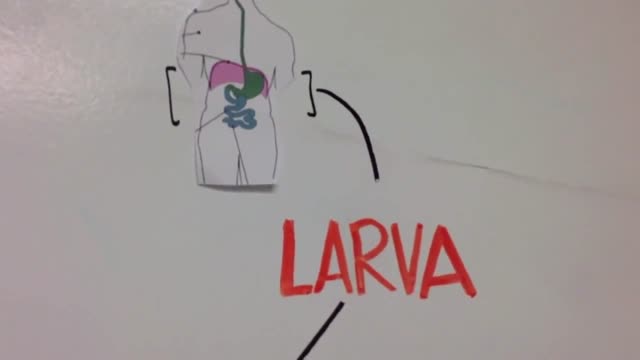
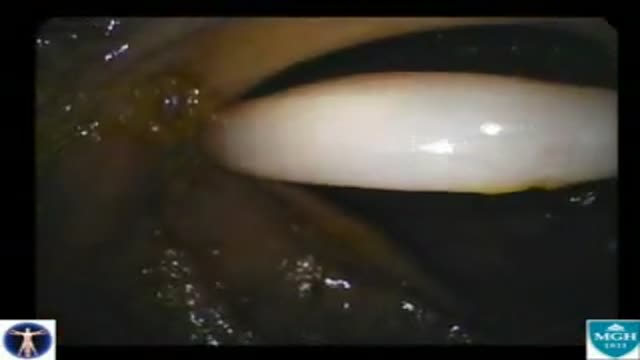
3. Anisakis Anisakis are another type of parasitic nematode that infect the gastrointestinal tract through the consumption of raw or undercooked seafood. This condition is more prevalent where raw fish is regularly consumed such as Japan and parts of Scandinavia. Soon after the nematode is consumed with the food, it attempts to dig its way through the intestinal wall but dies trying, thus causing severe abdominal pain in the process. Additionally, immune cells react to the nematode and form a wall around it. This in turn ends up blocking the digestive tract which additionally
leads to malnutrition and vomiting. More severe cases can result in a condition similar to Crohn's disease with symptoms such as bloody diarrhea, fever, weight loss, skin rashes, anemia, and bowel obstruction. 2. Whipworms Whipworms are a type of roundworm responsible for causing trichoriasis or whipworm infection. This is a disease that affects up to 800 million people as it's prevalent throughout the tropical regions of the world. Symptoms include bloody diarrhea, abdominal pain, low red blood cell levels, weight loss, nutritional deficiencies, long-standing blood loss, rectal prolapse, and learning disabilities in children. Whipworms usually infect people through food such as
contaminated vegetables that have not been washed or soil which is easily spread around. The infection is often treated through the drugs mebendazole, albendazole, and ivermectin, in places like China and Korea however where the sanitation is poor and there exists a lack of medical supplies, treatment, and prevention of an infection can be very difficult.
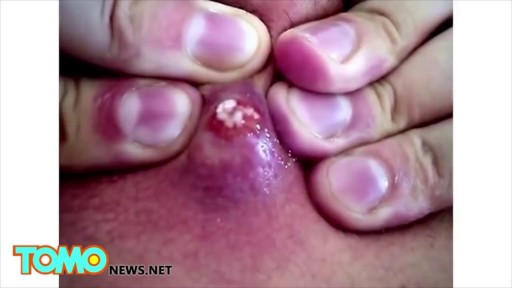
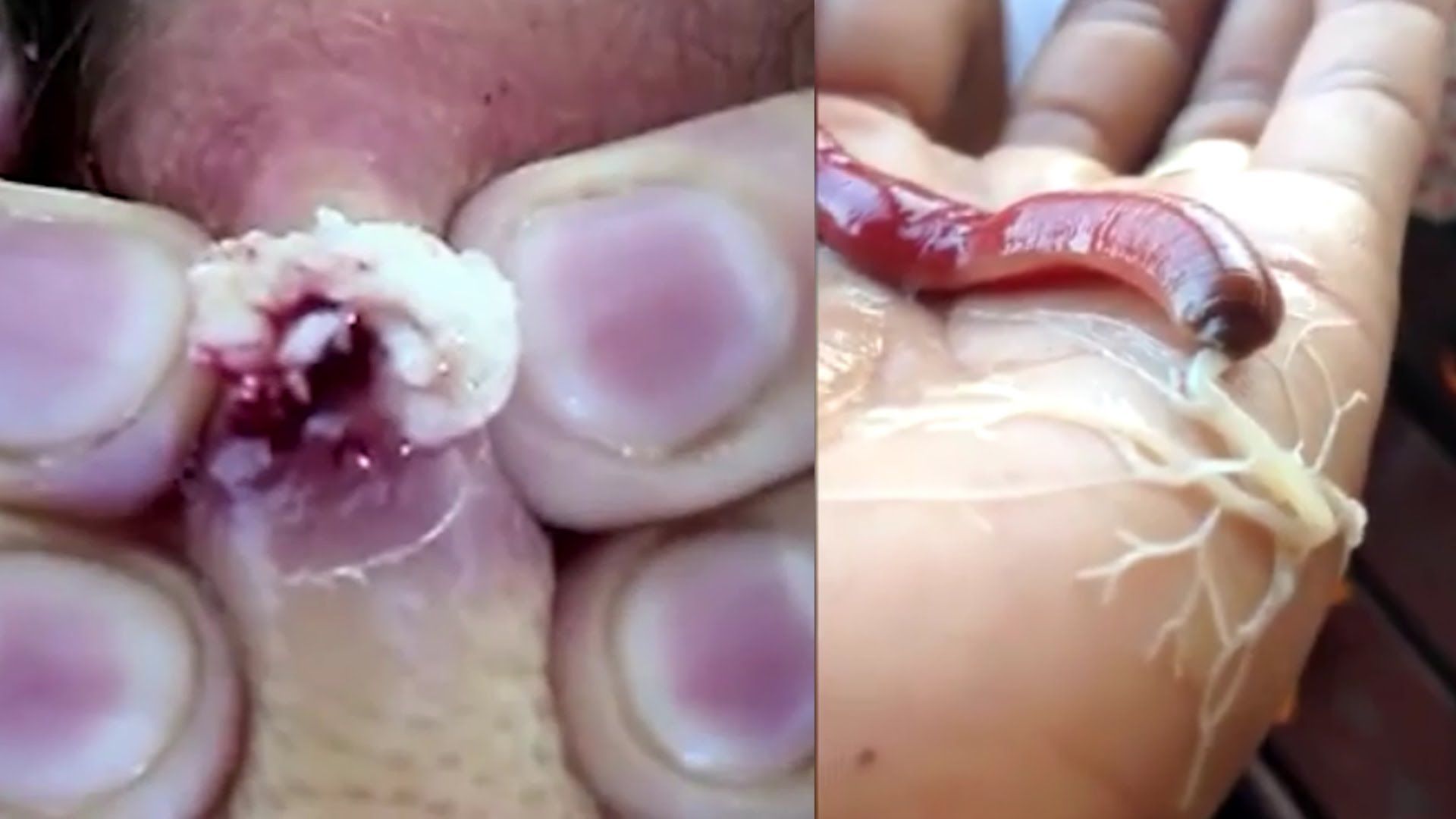
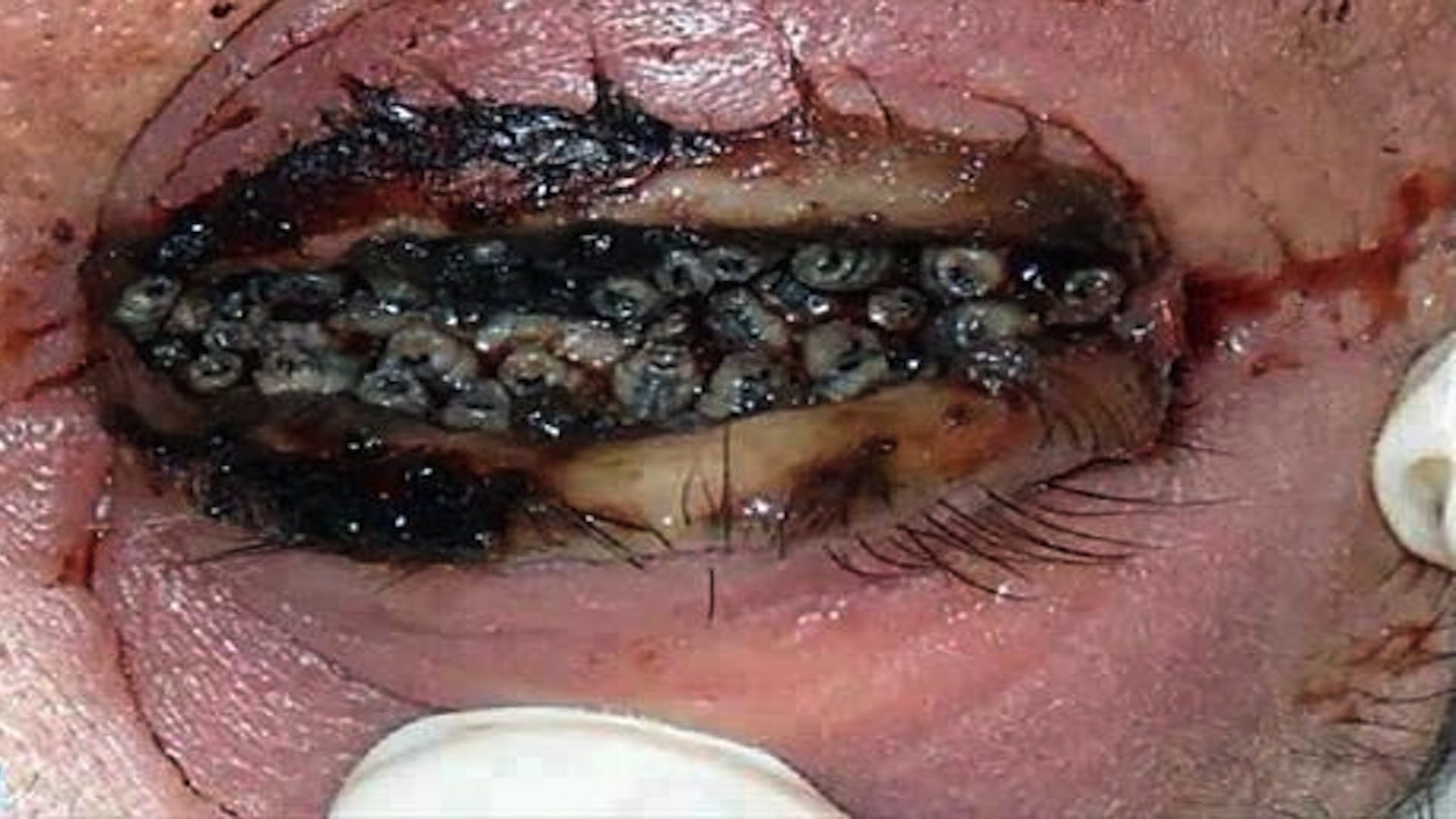
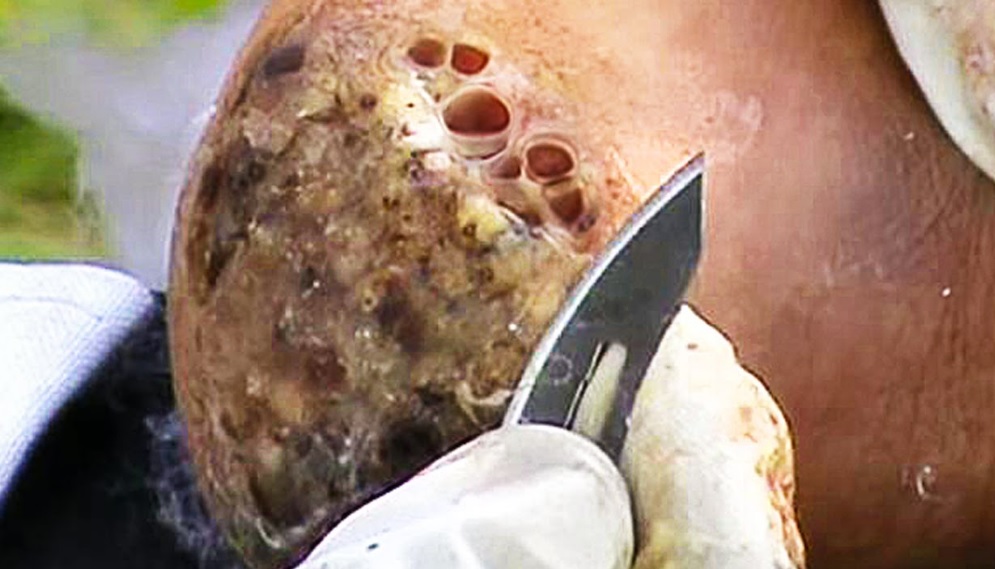
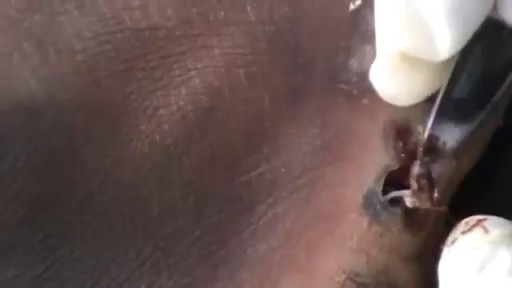
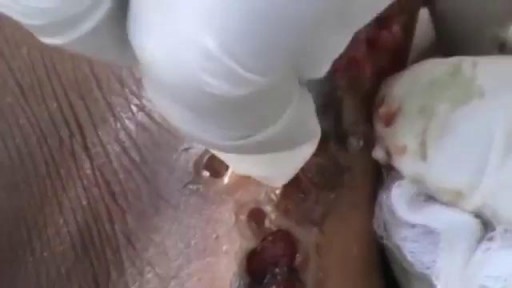
1. Botflies While there are many different types of botflies, it's the dermatobia hominist that infects humans. Botflies enlist the help of mosquitoes and ticks to do their dirty work. Native to South America, these large hairy flies will lay their eggs on a mosquito or tick which then bites and infects a human. The botfly larva will then begin hatching eggs that in turn, proceed to eat through your muscle tissue. It is said that humans who become infected with these parasites can even hear them moving around inside their body.
Aside from that, botflies also leave sores at the point of entrance which often becomes red and swollen. In order to extract these flies, people have been known to put petroleum over the wounds to suffocate them, then pull them out with tweezers. If you enjoyed this video, click on the link in the top right corner of your screen to view more nasty, invasive parasite photos on TheyWillKillYou.com. And don't forget to subscribe to They Will Kill You by clicking on the link in the description below.
Transcript auto-generated from the video’s audio for accessibility and study. Educational content only — not medical advice.
Related reading
Save videos for later
Create a free account to build your own watch-later list and playlists, and pick up where you left off on any device.
Medical Videos
Free medical and surgery videos for patients, students and professionals — trusted since 2007.
Founded by Dr. Mohamed Ibrahim, MD, PhD — physician-scientist.
Follow us on Facebook · Instagram · Telegram
SORT BY-
Top Comments
-
Latest comments