- Physical Examination
- Surgical Examination
- Ophthalmology
- Clinical Skills
- Orthopedics
- Surgery Videos
- Laparoscopy
- Pediatrics
- Funny Videos
- Cardiothoracic Surgery
- Nursing Videos
- Plastic Surgery
- Otorhinolaryngology
- Histology and Histopathology
- Neurosurgery
- Dermatology
- Pediatric Surgery
- Urology
- Dentistry
- Oncology and Cancers
- Anatomy Videos
- Health and Fitness
- Radiology
- Anaesthesia
- Physical Therapy
- Pharmacology
- Interventional Radiology
- Cardiology
- Endocrinology
- Gynecology
- Emergency Medicine
- Psychiatry and Psychology
- Childbirth Videos
- General Medical Videos
- Nephrology
- Physiology
- Diet and Food Health
- Diabetes Mellitus
- Neurology
- Women Health
- Osteoporosis
- Gastroenterology
- Pulmonology
- Hematology
- Rheumatology
- Toxicology
- Nuclear Medicine
- Infectious Diseases
- Vascular Disease
- Reproductive Health
- Burns and Wound Healing
- Kidney Zone Podcast
- Other
How to Apply a Splint
What to do
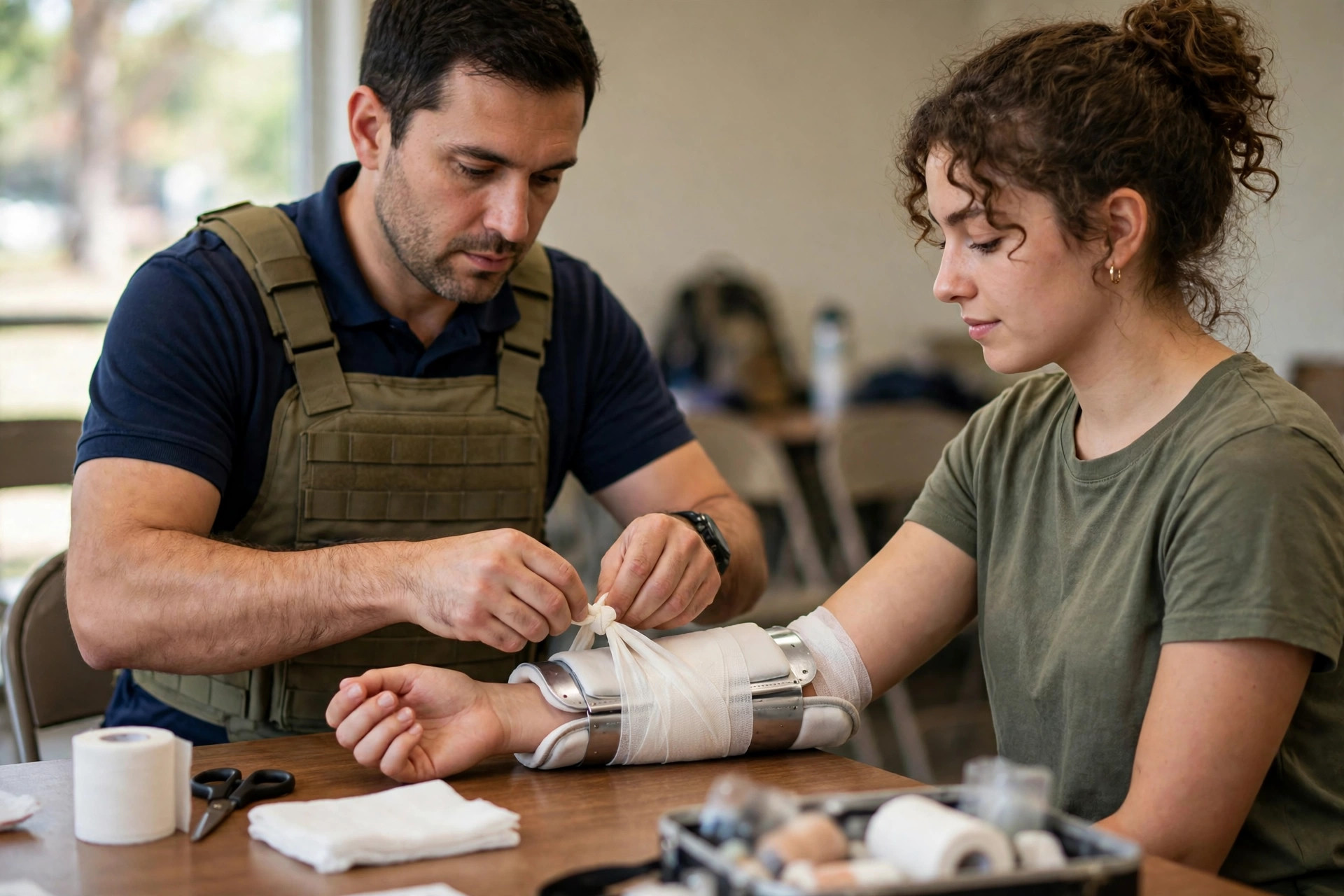
- Splint only if you need to move the person or while awaiting help, and only in the position you found the limb — never straighten a deformed limb to fit the splint.
- Choose something rigid and long enough to support the joint above and the joint below the injury: a padded board, rolled newspaper, a walking pole, or the person's own body (leg-to-leg or arm-to-chest) can all work.
- Pad the splint generously with clothing or towels, especially over bony bumps, and fill natural hollows so the limb is evenly supported.
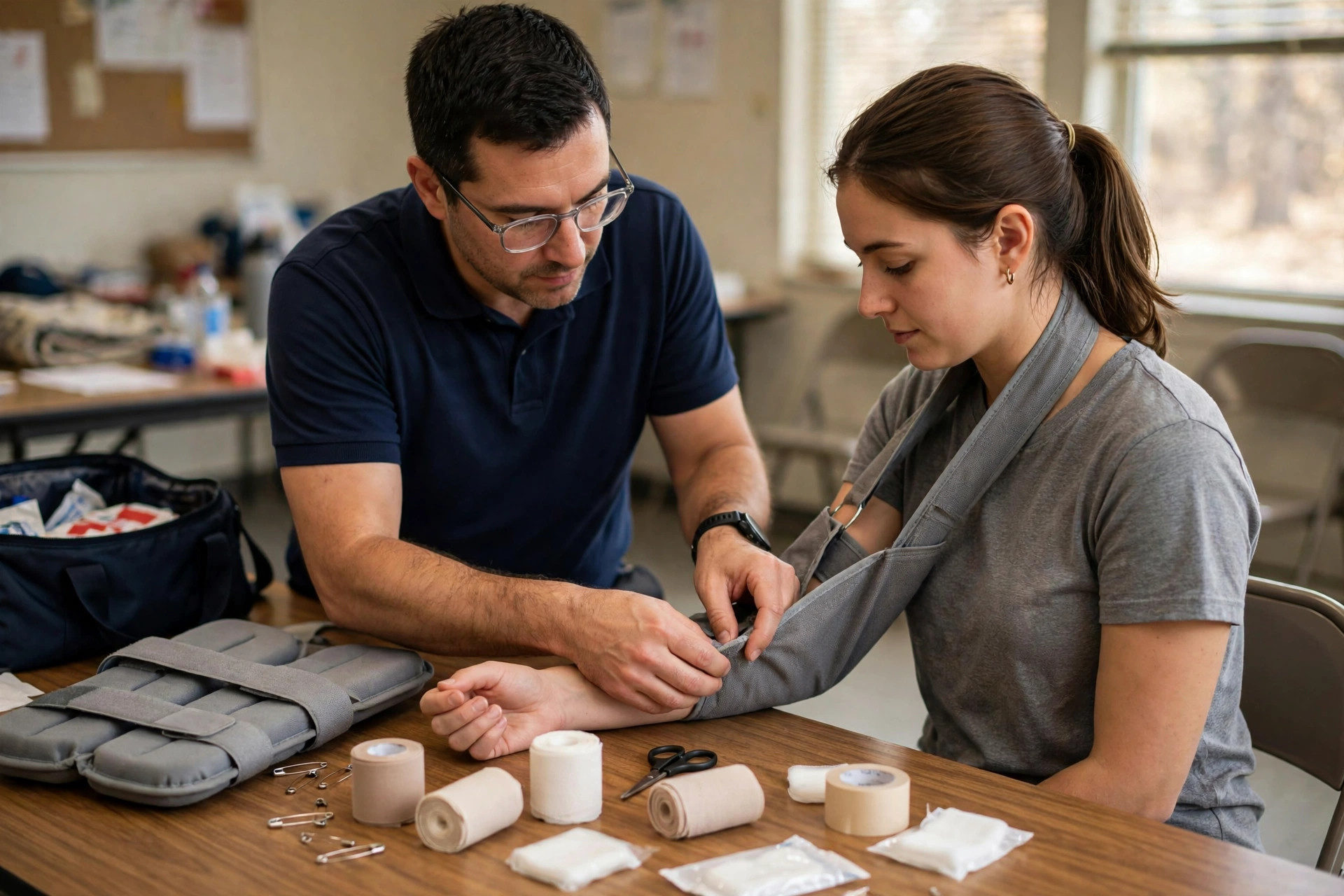
- Secure the splint with bandages, belts or strips of cloth above and below the fracture site — not directly over it. Tie firmly enough to prevent movement, not enough to cut off circulation.
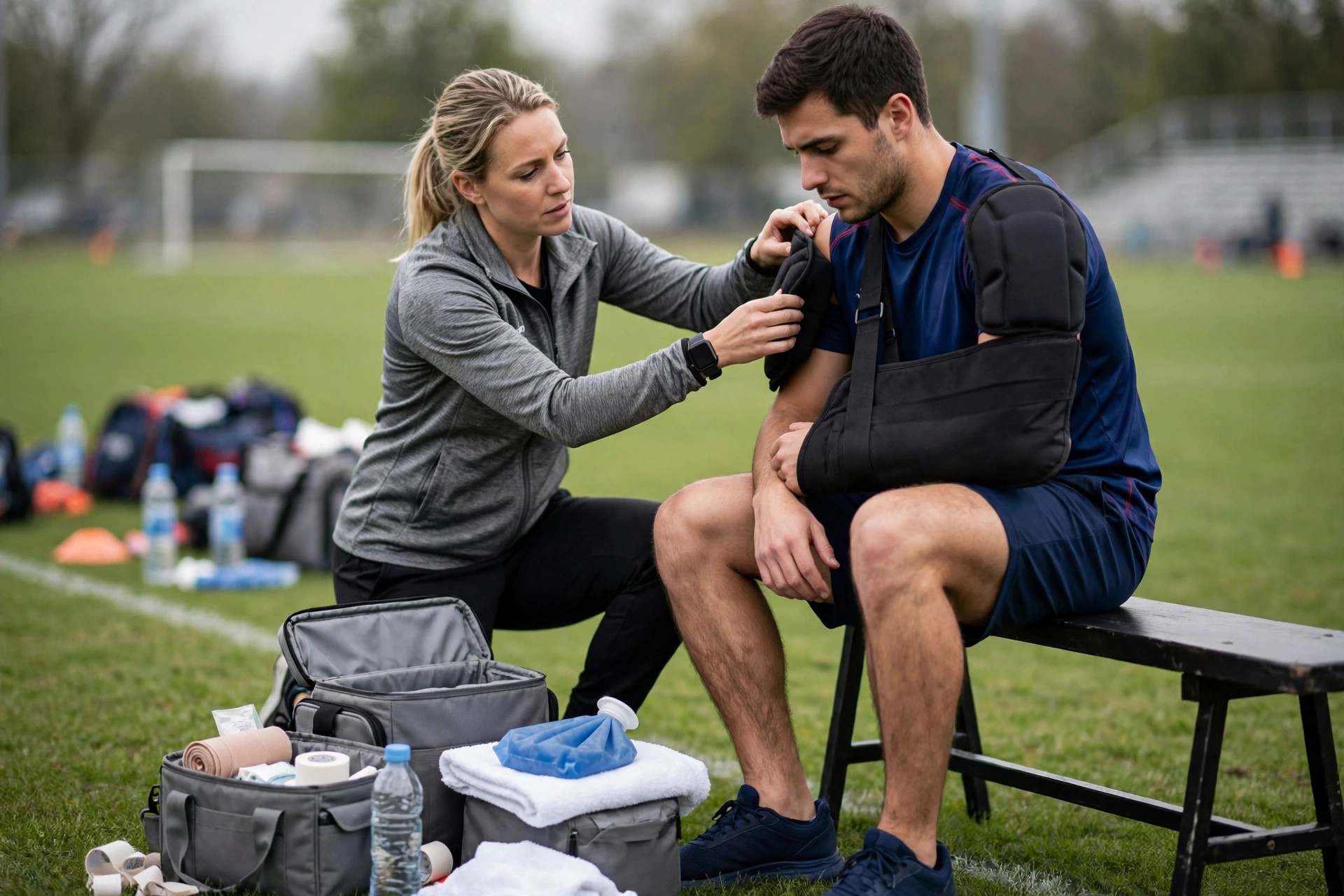
- Support an injured arm further with a sling; for a leg, you can strap the legs together with padding between the knees and ankles.
- Re-check circulation beyond the splint (colour, warmth, feeling, movement) after applying it and every few minutes. Loosen the ties if fingers or toes become pale, blue, swollen, cold or numb.
What NOT to do
- Do not tie bandages directly over the fracture site or a wound with protruding bone.
- Do not make the splint so tight that it acts like a tourniquet.
- Do not delay calling 911 or transport to perfect a splint — a simple, well-padded support is enough.
- Do not remove a shoe or boot unnecessarily — it can act as a splint for foot and ankle injuries.
When to get medical care
Splinting is a holding measure, not a treatment: every suspected fracture still needs hospital assessment. Call 911 for major fractures (thigh, pelvis, spine), open fractures, heavy bleeding, or a limb that becomes pale, blue or numb.
Related procedures & tests
Related symptoms
Watch: related videos
Frequently asked questions
What can I use as an improvised splint?
Anything rigid and padded: a rolled newspaper or magazine, a wooden slat, a walking stick, a folded blanket for a soft splint, or the uninjured leg strapped to the injured one. Padding matters more than the material — comfort and immobility are the goals.
How do I know if the splint is too tight?
Fingers or toes beyond the splint become pale, blue, cold, swollen, numb or painful, or the person says the bandage feels increasingly tight as swelling develops. Loosen the ties and re-check; keep checking every few minutes.
In an emergency, call 911 (or your local emergency number) first — do not delay a call to read a guide. These pages are educational first-aid information in general terms; they are not a substitute for emergency services, first-aid training, or assessment by a qualified clinician.