- Physical Examination
- Surgical Examination
- Ophthalmology
- Clinical Skills
- Orthopedics
- Surgery Videos
- Laparoscopy
- Pediatrics
- Funny Videos
- Cardiothoracic Surgery
- Nursing Videos
- Plastic Surgery
- Otorhinolaryngology
- Histology and Histopathology
- Neurosurgery
- Dermatology
- Pediatric Surgery
- Urology
- Dentistry
- Oncology and Cancers
- Anatomy Videos
- Health and Fitness
- Radiology
- Anaesthesia
- Physical Therapy
- Pharmacology
- Interventional Radiology
- Cardiology
- Endocrinology
- Gynecology
- Emergency Medicine
- Psychiatry and Psychology
- Childbirth Videos
- General Medical Videos
- Nephrology
- Physiology
- Diet and Food Health
- Diabetes Mellitus
- Neurology
- Women Health
- Osteoporosis
- Gastroenterology
- Pulmonology
- Hematology
- Rheumatology
- Toxicology
- Nuclear Medicine
- Infectious Diseases
- Vascular Disease
- Reproductive Health
- Burns and Wound Healing
- Kidney Zone Podcast
- Other
Rib Injuries (Bruised or Broken Ribs) — First Aid
What to do
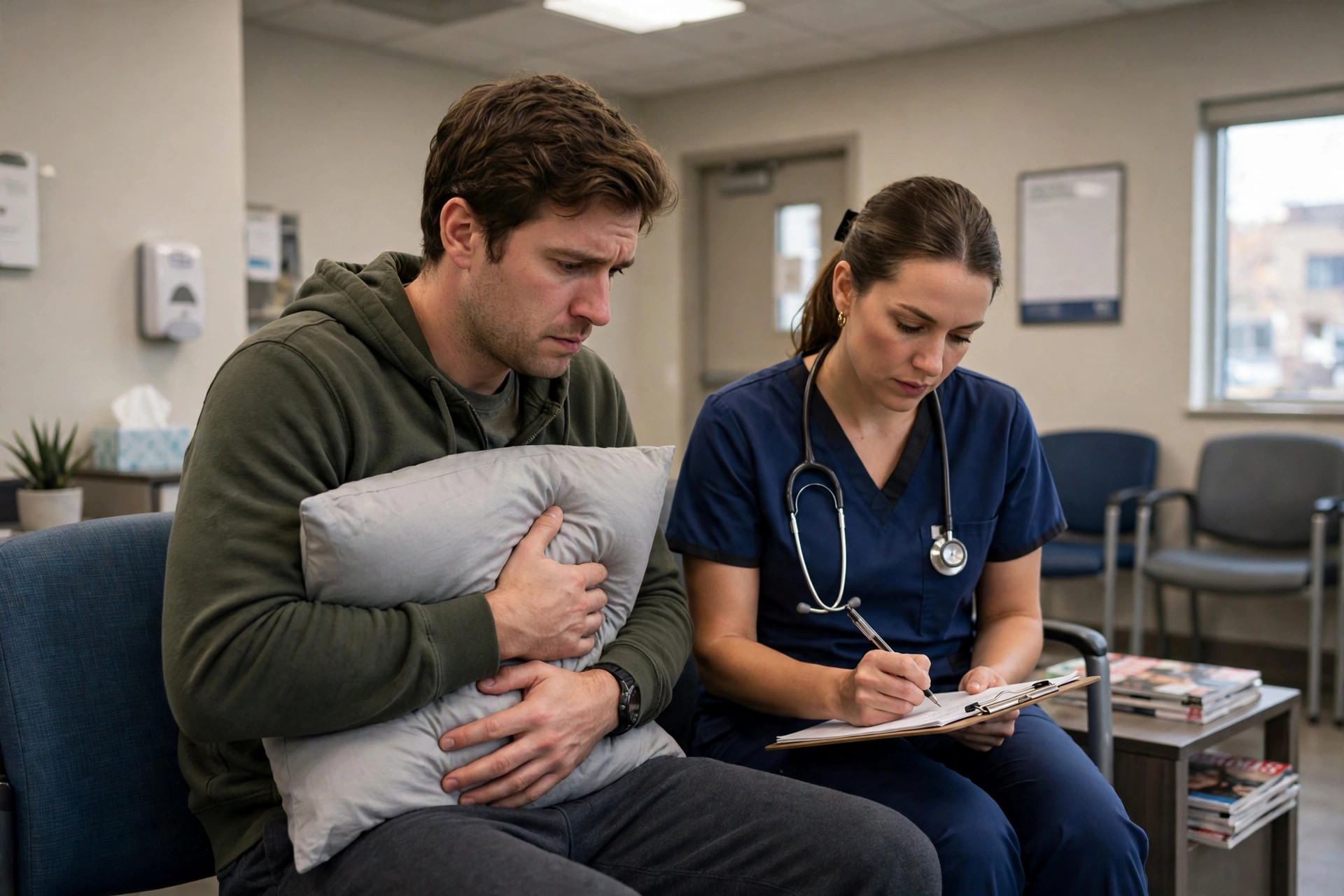
- Rib injuries follow a blow, fall or severe coughing. The main signs are pain at a specific spot on the chest wall that worsens with breathing in, coughing, laughing or twisting.
- Sit the person upright in the position most comfortable for breathing. Encourage normal, regular breathing — shallow breathing from pain raises the risk of chest infection.
- Apply a wrapped cold pack to the painful area for short periods in the first day or two.
- Simple pain relief taken as directed on the packet is important — good pain control lets the person breathe deeply and cough, which protects the lungs. Splinting the ribs with one hand or a pillow while coughing helps.
- Do not strap or tape the chest tightly — it restricts breathing and increases pneumonia risk.
- Arrange medical assessment for any significant rib injury: clinicians check for complications such as a punctured or collapsed lung and bruising of organs under the lower ribs.
What NOT to do
- Do not bind or strap the ribs.
- Do not suppress all coughing — clearing secretions matters; support the ribs with a pillow instead.
- Do not smoke during recovery — it greatly increases chest infection risk.
- Do not ignore worsening breathlessness, coughing blood or increasing pain — these signal complications.
When to get medical care
Call 911 or go to emergency care for rib injuries with breathlessness, coughing blood, chest deformity or a crackling feeling under the skin, severe pain, dizziness or abdominal pain (possible internal injury), or injury from a major force such as a road collision. Older people and those with lung disease should have even apparently minor rib injuries assessed promptly.
Related procedures & tests
Related symptoms
Frequently asked questions
Do broken ribs get a cast or surgery?
Almost never — ribs heal in place over about 4 to 6 weeks with pain relief, deep breathing and time. Treatment focuses on pain control good enough to breathe and cough properly. Surgery is reserved for special cases such as multiple ribs broken in several places (flail chest).
How can I sleep with injured ribs?
Sleep propped up with extra pillows or in a recliner, on your back or the uninjured side, whichever is most comfortable. Keeping up pain relief through the night (as directed) and supporting the ribs with a pillow when turning helps.
In an emergency, call 911 (or your local emergency number) first — do not delay a call to read a guide. These pages are educational first-aid information in general terms; they are not a substitute for emergency services, first-aid training, or assessment by a qualified clinician.