- Physical Examination
- Surgical Examination
- Ophthalmology
- Clinical Skills
- Orthopedics
- Surgery Videos
- Laparoscopy
- Pediatrics
- Funny Videos
- Cardiothoracic Surgery
- Nursing Videos
- Plastic Surgery
- Otorhinolaryngology
- Histology and Histopathology
- Neurosurgery
- Dermatology
- Pediatric Surgery
- Urology
- Dentistry
- Oncology and Cancers
- Anatomy Videos
- Health and Fitness
- Radiology
- Anaesthesia
- Physical Therapy
- Pharmacology
- Interventional Radiology
- Cardiology
- Endocrinology
- Gynecology
- Emergency Medicine
- Psychiatry and Psychology
- Childbirth Videos
- General Medical Videos
- Nephrology
- Physiology
- Diet and Food Health
- Diabetes Mellitus
- Neurology
- Women Health
- Osteoporosis
- Gastroenterology
- Pulmonology
- Hematology
- Rheumatology
- Toxicology
- Nuclear Medicine
- Infectious Diseases
- Vascular Disease
- Reproductive Health
- Burns and Wound Healing
- Kidney Zone Podcast
- Other
Broken Bones (Fractures) — First Aid
What to do
- Reassure the person and keep them still. Call 911 if the injury is severe — a deformed or bent limb, bone visible, a suspected thigh, pelvis, spine or skull fracture, heavy bleeding, or the person is in severe pain or shock.
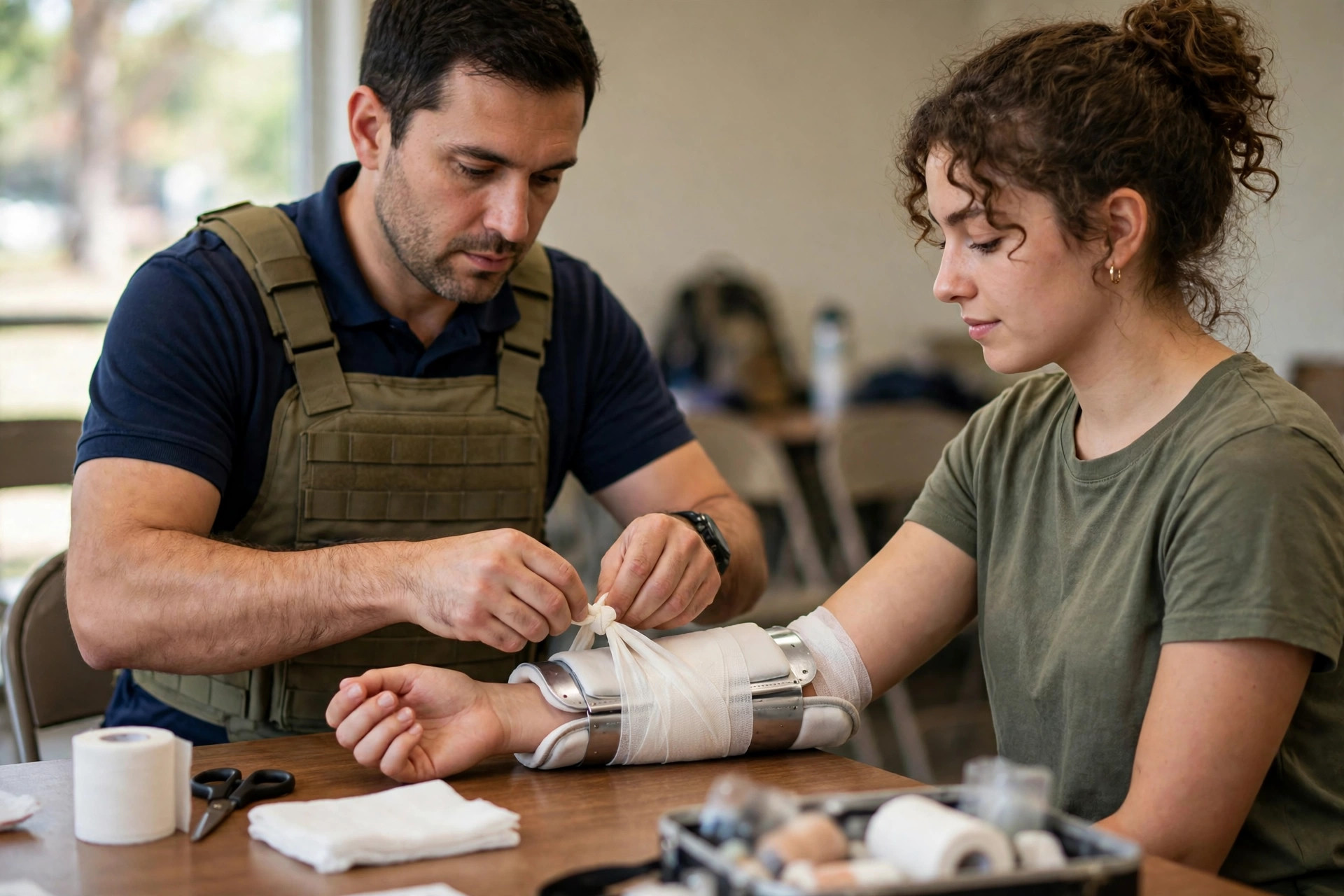
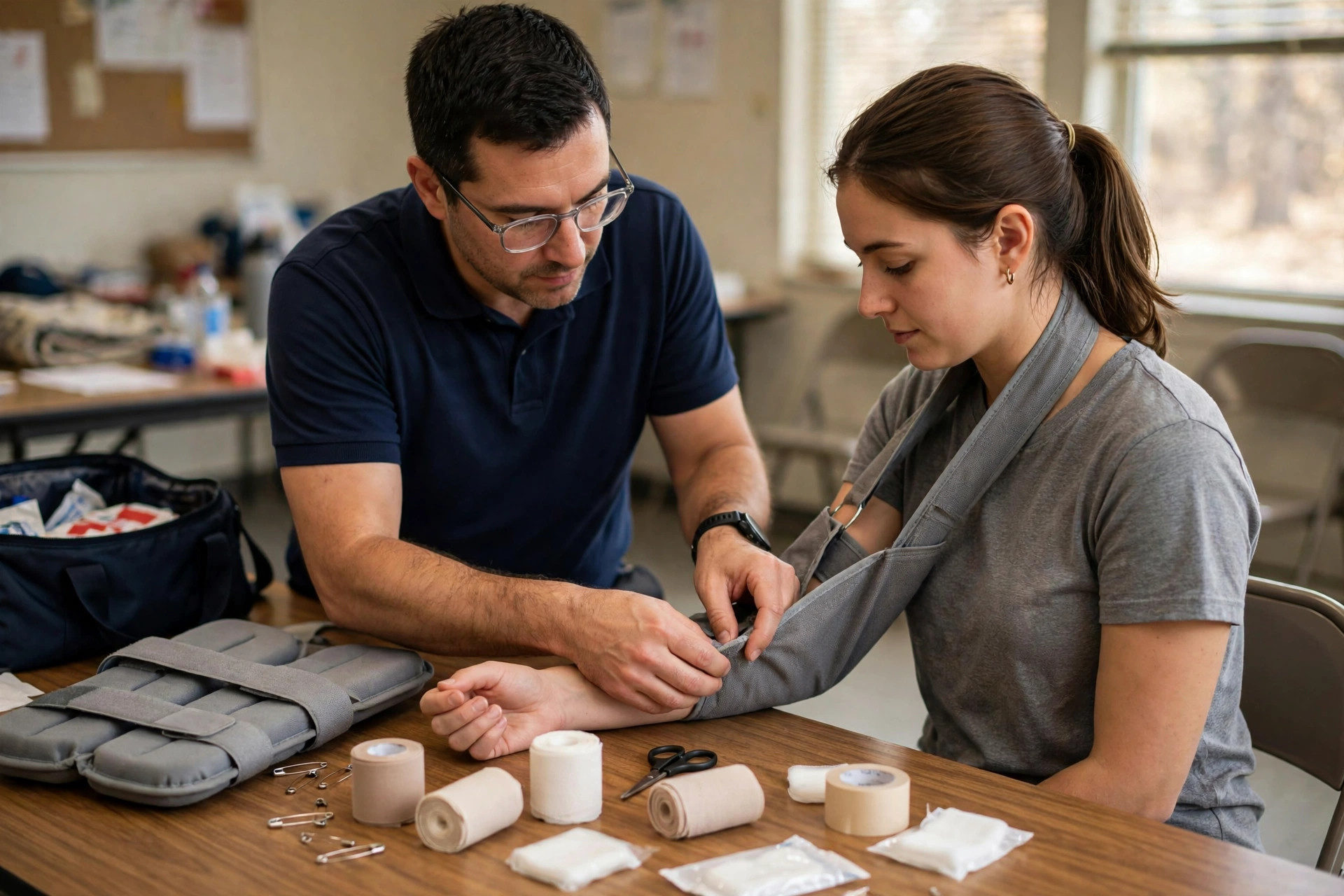
- Support the injured part in the position you found it. Use your hands, or padding and a splint (see Splinting), to stop it moving. Do not try to straighten or realign the limb.
- If there is an open wound with the fracture, cover it with a sterile dressing and press gently around — not on — any protruding bone to control bleeding.
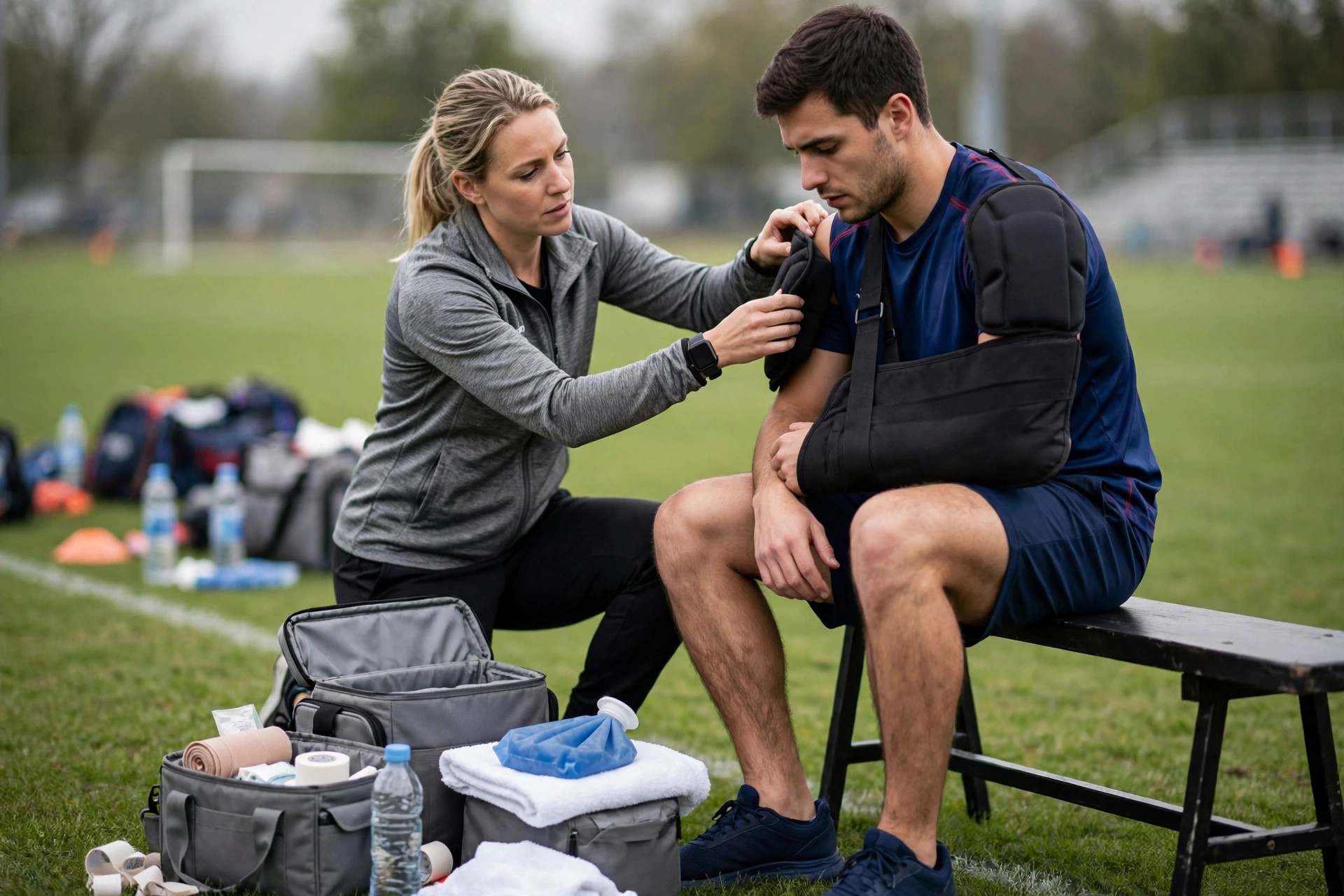
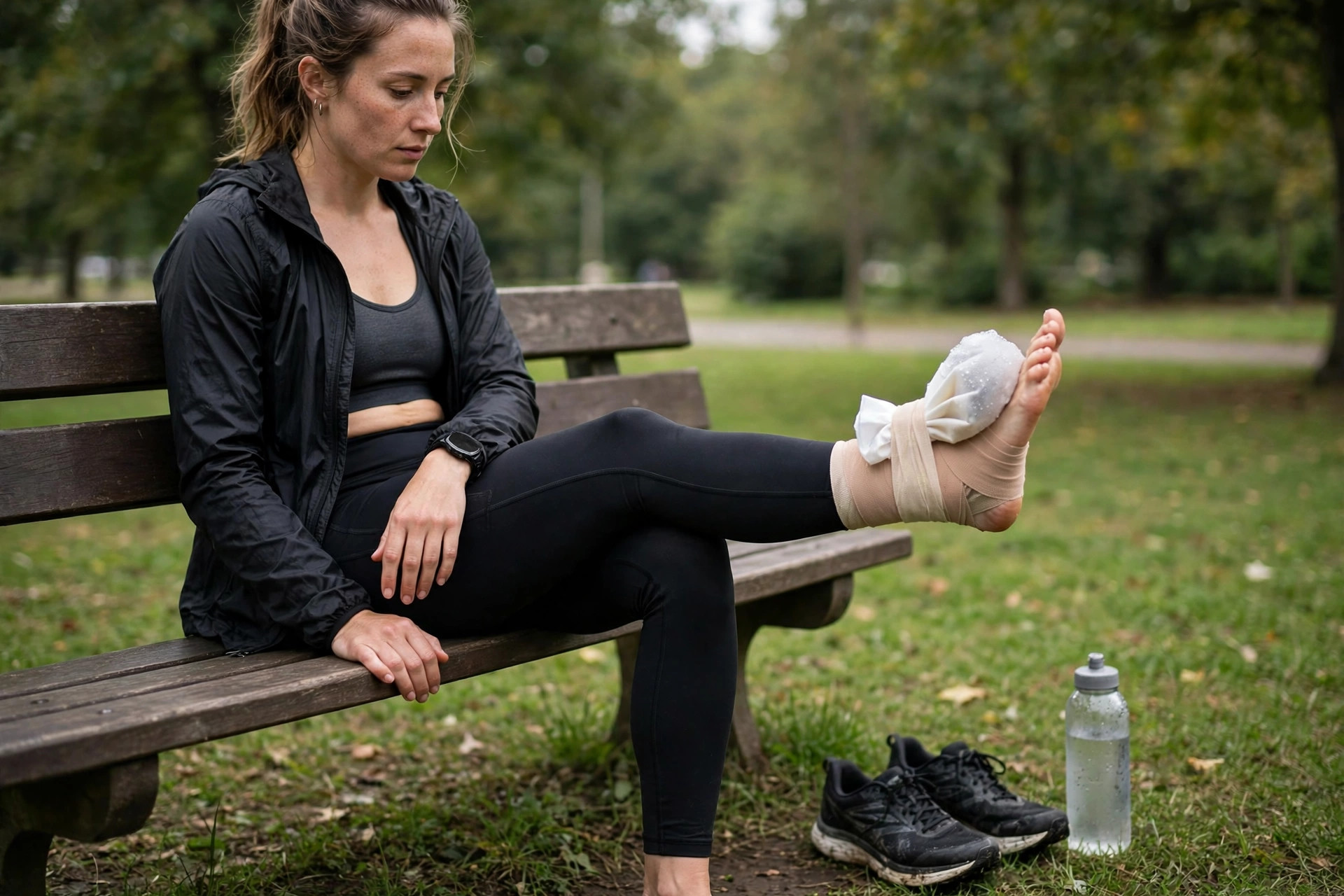
- Apply a wrapped ice pack or cold compress to reduce swelling, for up to 15 to 20 minutes at a time, if the skin is unbroken.
- Check circulation beyond the injury (colour, warmth, feeling, and pulse in a hand or foot) before and after supporting or splinting. Loosen anything that becomes too tight as swelling develops.
- Keep the person warm and still, give nothing to eat or drink if the injury is serious (surgery may be needed), and arrange urgent hospital assessment for every suspected fracture.
What NOT to do
- Do not move the person unnecessarily, and never try to push a bone back in or straighten a deformed limb.
- Do not let the person eat or drink if the fracture is major.
- Do not ignore numbness, pins and needles, or a hand/foot turning pale or blue beyond the injury — tell medical staff at once.
- Do not assume 'it can't be broken because they can move it' — fractures can still allow movement.
When to get medical care
All suspected fractures need hospital assessment with an X-ray. Call 911 for open fractures (bone through skin), fractures of the thigh, pelvis, spine or skull, deformity, heavy bleeding, a limb that is pale, blue, cold or numb beyond the injury, or signs of shock.
Related conditions
Related procedures & tests
Related symptoms
Watch: related videos
Frequently asked questions
How can I tell if a bone is broken?
Signs include pain that is severe or worsening, swelling and bruising, deformity or an abnormal angle, grating sounds or feeling, inability to bear weight or use the part, and pain at a specific point on the bone. Only an X-ray confirms it — if in doubt, treat it as a fracture.
What is the difference between an open and closed fracture?
In a closed fracture the skin is intact; in an open fracture the bone has broken the skin or a wound leads down to the bone. Open fractures carry a high infection risk and always need emergency hospital care.
In an emergency, call 911 (or your local emergency number) first — do not delay a call to read a guide. These pages are educational first-aid information in general terms; they are not a substitute for emergency services, first-aid training, or assessment by a qualified clinician.