- Physical Examination
- Surgical Examination
- Ophthalmology
- Clinical Skills
- Orthopedics
- Surgery Videos
- Laparoscopy
- Pediatrics
- Funny Videos
- Cardiothoracic Surgery
- Nursing Videos
- Plastic Surgery
- Otorhinolaryngology
- Histology and Histopathology
- Neurosurgery
- Dermatology
- Pediatric Surgery
- Urology
- Dentistry
- Oncology and Cancers
- Anatomy Videos
- Health and Fitness
- Radiology
- Anaesthesia
- Physical Therapy
- Pharmacology
- Interventional Radiology
- Cardiology
- Endocrinology
- Gynecology
- Emergency Medicine
- Psychiatry and Psychology
- Childbirth Videos
- General Medical Videos
- Nephrology
- Physiology
- Diet and Food Health
- Diabetes Mellitus
- Neurology
- Women Health
- Osteoporosis
- Gastroenterology
- Pulmonology
- Hematology
- Rheumatology
- Toxicology
- Nuclear Medicine
- Infectious Diseases
- Vascular Disease
- Reproductive Health
- Burns and Wound Healing
- Kidney Zone Podcast
- Other
Muscle Cramps — First Aid
What to do
- Stop the activity and rest the cramping muscle.
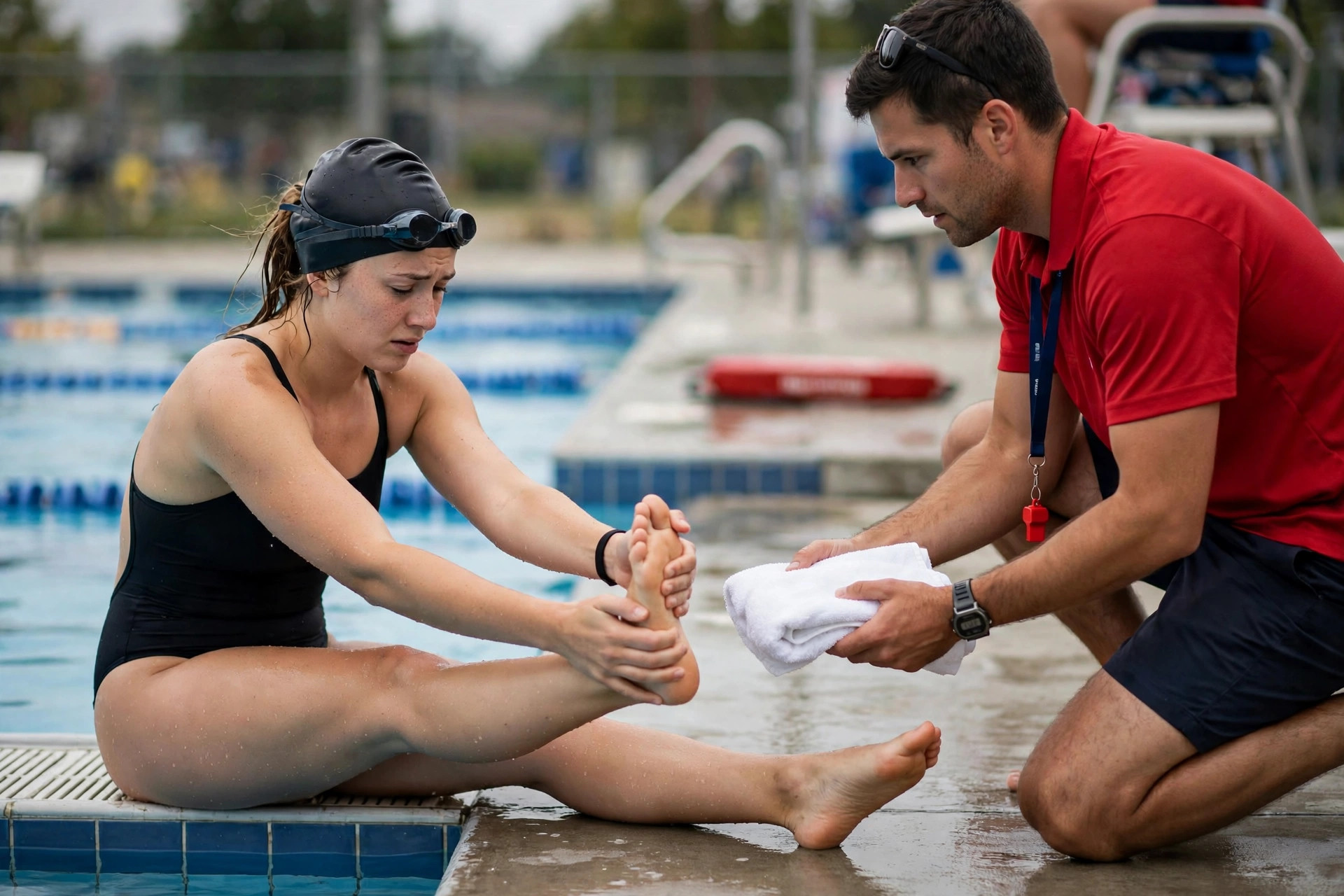
- Gently stretch the muscle in the direction opposite to the cramp and hold the stretch until it eases. For a calf cramp, straighten the leg and pull the toes up towards the shin. For a foot cramp, pull the toes up by hand.
- Once the spasm releases, massage the muscle gently and keep it warm, or apply a warm towel.
- Drink water; if cramps follow prolonged sweating in heat, an oral rehydration or sports drink may help replace salts as well as fluid.
- Walk around gently once the pain settles to restore normal circulation.
- If cramps recur during the same activity, stop for the day — a cramping muscle is fatigued and injury-prone.
What NOT to do
- Do not force a violent stretch — gentle, sustained stretching works and forcing can tear the muscle.
- Do not continue exercising through repeated cramps.
- Do not ignore cramps with swelling, weakness or dark cola-coloured urine after intense exercise — those need urgent assessment.
- Do not take salt tablets unless a clinician has advised them.
When to get medical care
Seek medical advice if cramps are frequent, severe or long-lasting, happen without exercise, come with muscle weakness, swelling or dark urine, affect someone with kidney, heart or circulation problems, or started after a new medication. A cramp that does not release after several minutes of stretching, or severe pain in a calf with swelling, needs same-day assessment.
Related conditions
Related symptoms
Frequently asked questions
What causes exercise cramps?
Muscle fatigue is the main trigger during exercise; dehydration and salt losses in sweat contribute, especially in heat. Stretching the affected muscle is the fastest relief, and regular training, fluids and pacing reduce recurrence.
Why do cramps happen at night?
Night leg cramps are common, especially in older adults and pregnancy, and often have no single cause. Stretching the calf before bed helps some people. Frequent, disruptive night cramps are worth discussing with a clinician, as medicines and circulation problems can contribute.
In an emergency, call 911 (or your local emergency number) first — do not delay a call to read a guide. These pages are educational first-aid information in general terms; they are not a substitute for emergency services, first-aid training, or assessment by a qualified clinician.