- Physical Examination
- Surgical Examination
- Ophthalmology
- Clinical Skills
- Orthopedics
- Surgery Videos
- Laparoscopy
- Pediatrics
- Funny Videos
- Cardiothoracic Surgery
- Nursing Videos
- Plastic Surgery
- Otorhinolaryngology
- Histology and Histopathology
- Neurosurgery
- Dermatology
- Pediatric Surgery
- Urology
- Dentistry
- Oncology and Cancers
- Anatomy Videos
- Health and Fitness
- Radiology
- Anaesthesia
- Physical Therapy
- Pharmacology
- Interventional Radiology
- Cardiology
- Endocrinology
- Gynecology
- Emergency Medicine
- Psychiatry and Psychology
- Childbirth Videos
- General Medical Videos
- Nephrology
- Physiology
- Diet and Food Health
- Diabetes Mellitus
- Neurology
- Women Health
- Osteoporosis
- Gastroenterology
- Pulmonology
- Hematology
- Rheumatology
- Toxicology
- Nuclear Medicine
- Infectious Diseases
- Vascular Disease
- Reproductive Health
- Burns and Wound Healing
- Kidney Zone Podcast
- Other
Dislocated Joints — First Aid
What to do
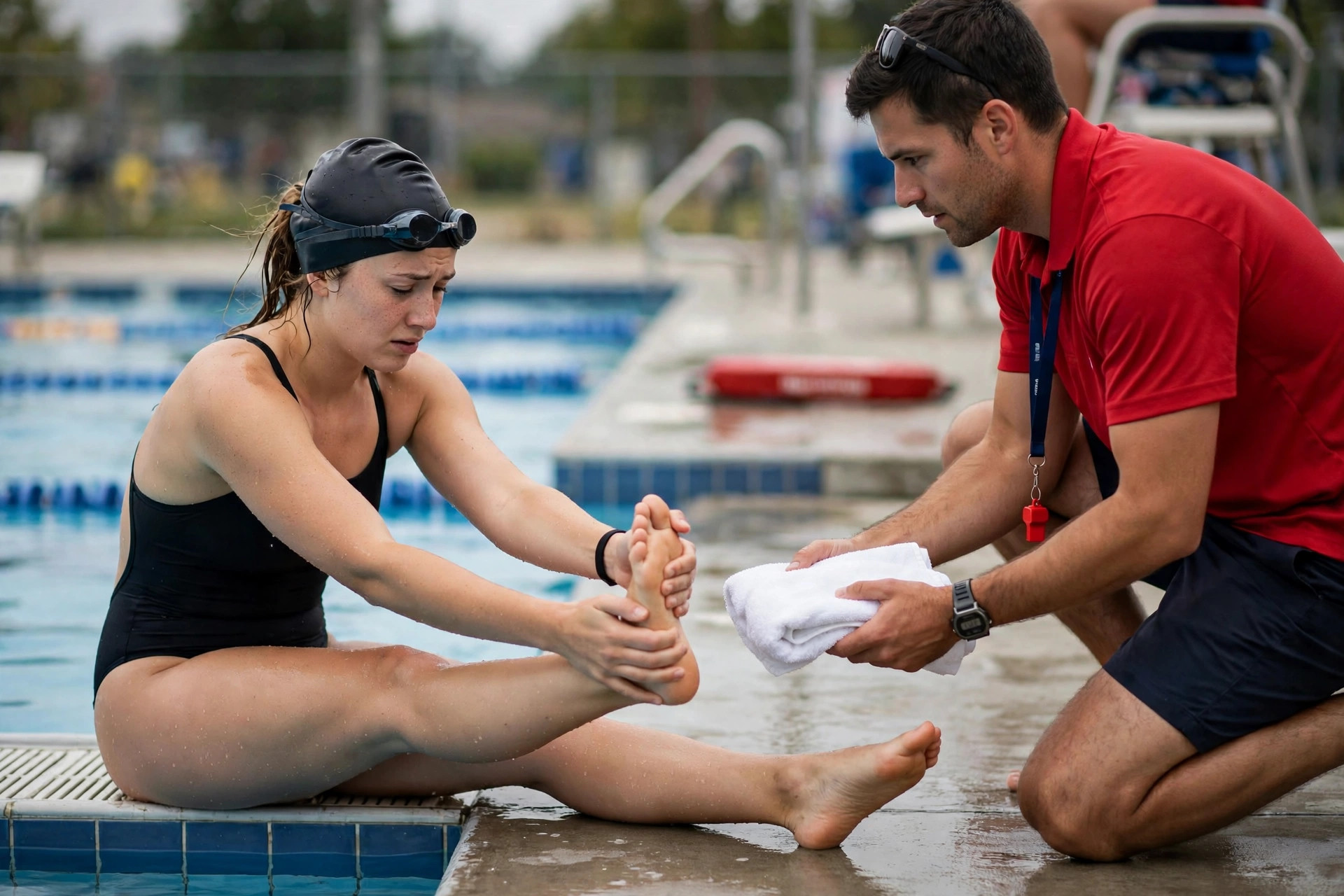
- Recognise a dislocation: a joint that looks deformed or out of place, severe pain, swelling, and the person cannot move the joint. Shoulders, fingers, elbows, kneecaps and jaws are most common.
- Do not try to put the joint back in place. Forcing it can damage nerves, blood vessels and cartilage.
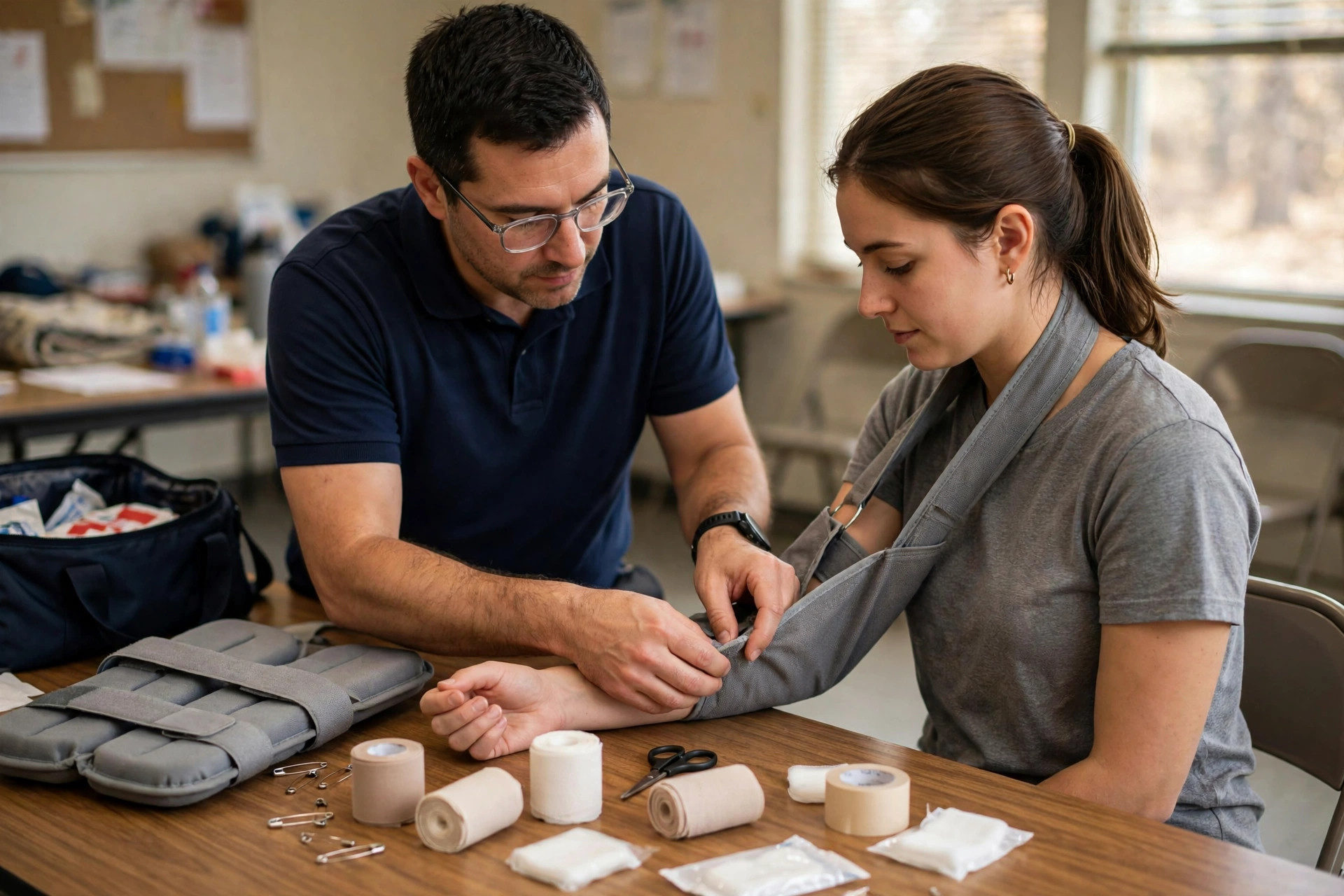
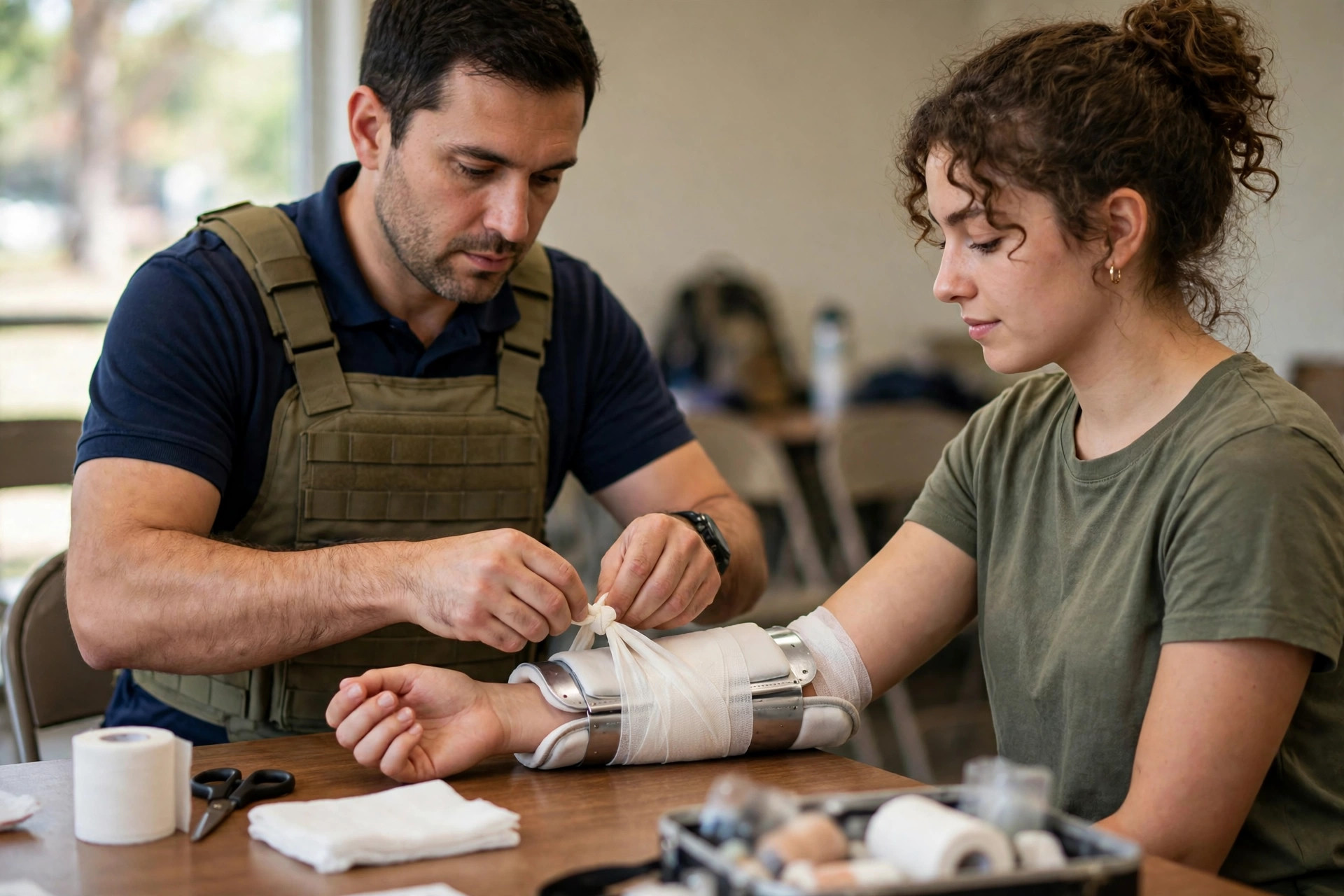
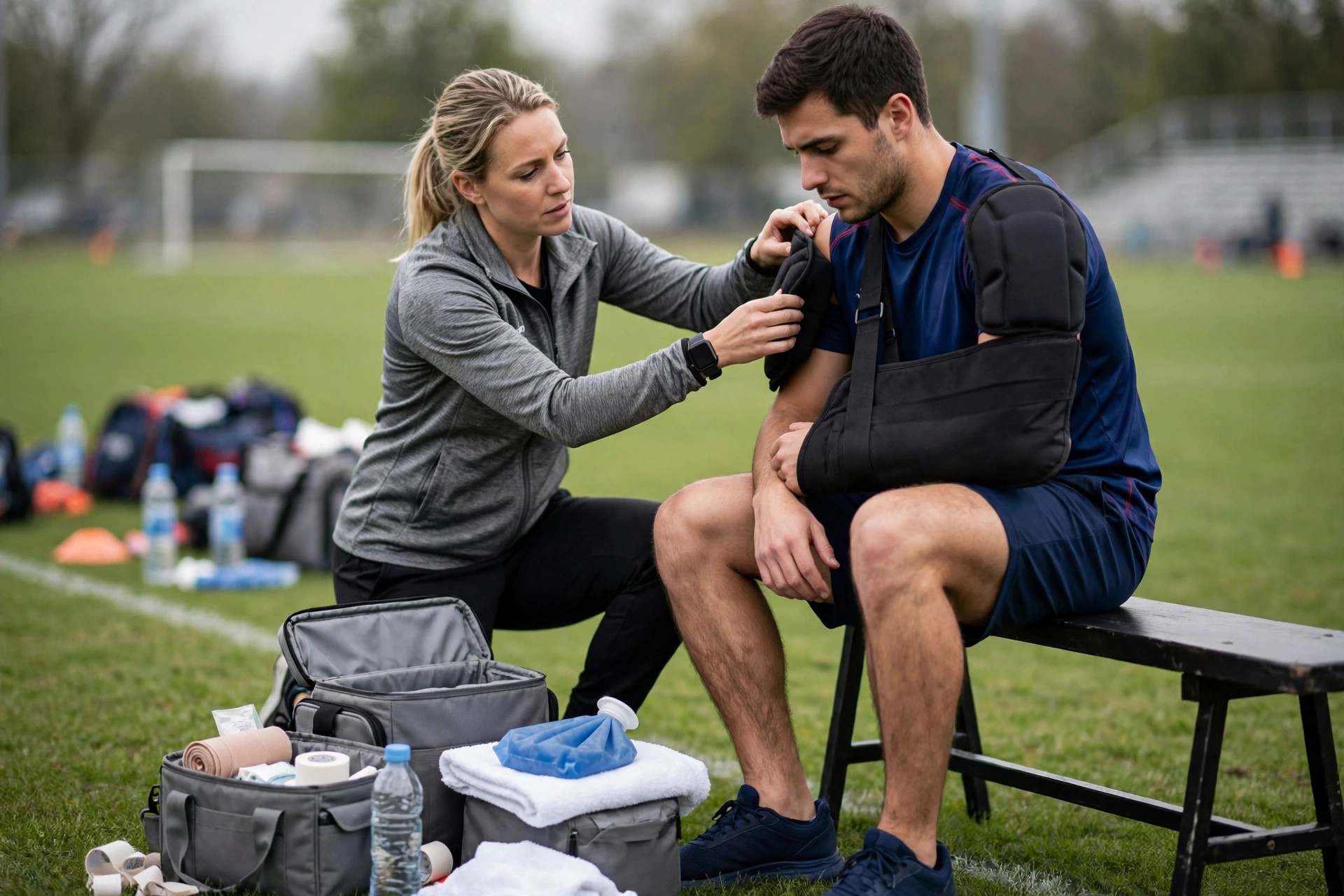
- Support the joint in the position found — usually the position the person is naturally holding — using padding, a sling or a splint.
- Apply a wrapped ice pack to reduce pain and swelling, checking the skin regularly.
- Check circulation and feeling beyond the joint (colour, warmth, sensation, movement of fingers or toes) and re-check after supporting it.
- Arrange urgent hospital care — dislocations need an X-ray and trained reduction, often with sedation. Keep the person nil by mouth in case sedation is needed.
What NOT to do
- Do not 'pop it back in' yourself, however it is done in films.
- Do not let the person eat or drink before hospital assessment if sedation may be needed.
- Do not force movement to 'test' the joint.
- Do not delay: the longer a joint stays out, the harder and riskier reduction becomes.
When to get medical care
All dislocations need urgent hospital assessment. Call 911 if the joint is a hip or knee, the limb beyond is pale, blue, cold or numb, there is heavy bleeding or an open wound, or the person is in severe pain or showing shock signs.
Related procedures & tests
Related symptoms
Watch: related videos
Frequently asked questions
Why can't I just pop a dislocated shoulder back in?
The ball of the joint may be trapped against bone, and nerves and blood vessels run close by. Untrained reduction can fracture bone or trap a nerve. In hospital, X-rays plus pain relief and sedation make reduction safer and much less painful.
Will a dislocated joint keep coming out?
A first dislocation can stretch or tear the structures that stabilise the joint, making recurrences more likely — especially in young, active people. Hospital follow-up, and sometimes imaging or surgery, is arranged to reduce that risk.
In an emergency, call 911 (or your local emergency number) first — do not delay a call to read a guide. These pages are educational first-aid information in general terms; they are not a substitute for emergency services, first-aid training, or assessment by a qualified clinician.