
- Physical Examination
- Surgical Examination
- Ophthalmology
- Clinical Skills
- Orthopedics
- Surgery Videos
- Laparoscopy
- Pediatrics
- Funny Videos
- Cardiothoracic Surgery
- Nursing Videos
- Plastic Surgery
- Otorhinolaryngology
- Histology and Histopathology
- Neurosurgery
- Dermatology
- Pediatric Surgery
- Urology
- Dentistry
- Oncology and Cancers
- Anatomy Videos
- Health and Fitness
- Radiology
- Anaesthesia
- Physical Therapy
- Pharmacology
- Interventional Radiology
- Cardiology
- Endocrinology
- Gynecology
- Emergency Medicine
- Psychiatry and Psychology
- Childbirth Videos
- General Medical Videos
- Nephrology
- Physiology
- Diet and Food Health
- Diabetes Mellitus
- Neurology
- Women Health
- Osteoporosis
- Gastroenterology
- Pulmonology
- Hematology
- Rheumatology
- Toxicology
- Nuclear Medicine
- Infectious Diseases
- Vascular Disease
- Reproductive Health
- Burns and Wound Healing
- Kidney Zone Podcast
- Other
Cystoscopy
Category: Endoscopy & Camera Tests · All endoscopy & camera tests
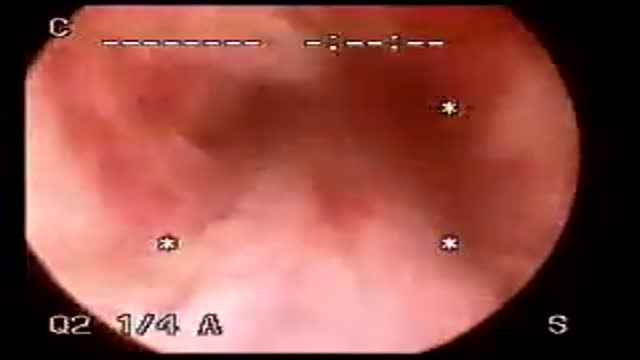
What it is
A cystoscopy examines the inside of the bladder and the urethra (water pipe) using a thin camera passed along the urethra. A flexible cystoscopy is done in clinic with local anaesthetic gel; a rigid cystoscopy is done under anaesthetic in theatre, often with treatment at the same time.
Why it is done
It is used to investigate blood in the urine, repeated urinary infections, bladder pain, difficulty passing urine and suspected bladder tumours, and to follow up previous bladder cancer.
How to prepare
For a flexible cystoscopy there is usually no special preparation and you can eat and drink normally. Tell the team if you have symptoms of a urine infection, as the test may need to be postponed and the infection treated first.
What happens during the procedure
For a flexible cystoscopy, anaesthetic gel is applied to the urethra and the scope is passed gently into the bladder, which is filled with sterile water so the lining can be seen. It takes about 5 to 10 minutes. You may feel the urge to pass urine. In theatre, a rigid scope allows biopsies, stone treatment and other procedures at the same time.
Afterwards — recovery & results
You can usually go home straight after a flexible cystoscopy. Drink plenty of water afterwards. Mild stinging when you pass urine and a little pink urine for a day or two are common. Theatre procedures have individual aftercare instructions.
Risks & considerations
The commonest problem is a urine infection afterwards, which is why fluids and watching for fever, pain or difficulty passing urine matter. Blood in the urine is usually minor and settles. Serious injury to the bladder is rare.
Watch: Cystoscopy videos
Real procedure videos from the MedicalVideos.com library. Some clinical footage is graphic — that is the nature of a medical video library.
Related guides on MedicalVideos.com
Frequently asked questions
Does a flexible cystoscopy hurt?
Most people describe discomfort and pressure rather than pain, and it is over in a few minutes. The anaesthetic gel helps, and you can ask the team to pause at any time.
Why do I need it if my urine tests were normal?
Blood in the urine can come from the bladder lining, and only a direct look can reliably exclude a bladder tumour or other bladder problem.
Related procedures — Endoscopy & Camera Tests
Browse the C section of the A–Z list or return to the Procedures & Tests hub.