
- Physical Examination
- Surgical Examination
- Ophthalmology
- Clinical Skills
- Orthopedics
- Surgery Videos
- Laparoscopy
- Pediatrics
- Funny Videos
- Cardiothoracic Surgery
- Nursing Videos
- Plastic Surgery
- Otorhinolaryngology
- Histology and Histopathology
- Neurosurgery
- Dermatology
- Pediatric Surgery
- Urology
- Dentistry
- Oncology and Cancers
- Anatomy Videos
- Health and Fitness
- Radiology
- Anaesthesia
- Physical Therapy
- Pharmacology
- Interventional Radiology
- Cardiology
- Endocrinology
- Gynecology
- Emergency Medicine
- Psychiatry and Psychology
- Childbirth Videos
- General Medical Videos
- Nephrology
- Physiology
- Diet and Food Health
- Diabetes Mellitus
- Neurology
- Women Health
- Osteoporosis
- Gastroenterology
- Pulmonology
- Hematology
- Rheumatology
- Toxicology
- Nuclear Medicine
- Infectious Diseases
- Vascular Disease
- Reproductive Health
- Burns and Wound Healing
- Kidney Zone Podcast
- Other
Endoscopy & Camera Tests
Camera tests that look inside the body with a thin, flexible scope: colonoscopy and gastroscopy for the gut, bronchoscopy for the airways, cystoscopy for the bladder, keyhole joint and abdominal surgery, and specialist procedures such as ERCP and endoscopic ultrasound.
This page lists all 15 of them in the guide. Open any procedure for preparation, step-by-step what happens, recovery advice and frequently asked questions.
 Arthroscopy (keyhole joint surgery)Endoscopy
 Capsule endoscopyEndoscopy
 ColonoscopyEndoscopy
 ColposcopyEndoscopy
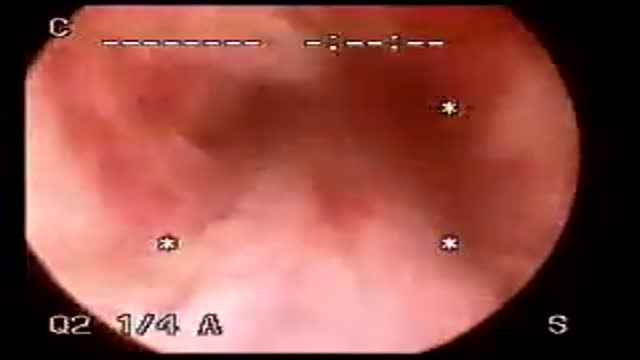 CystoscopyEndoscopy
 EBUS (endobronchial ultrasound)Endoscopy
 Endoscopic ultrasound (EUS)Endoscopy
 ERCPEndoscopy
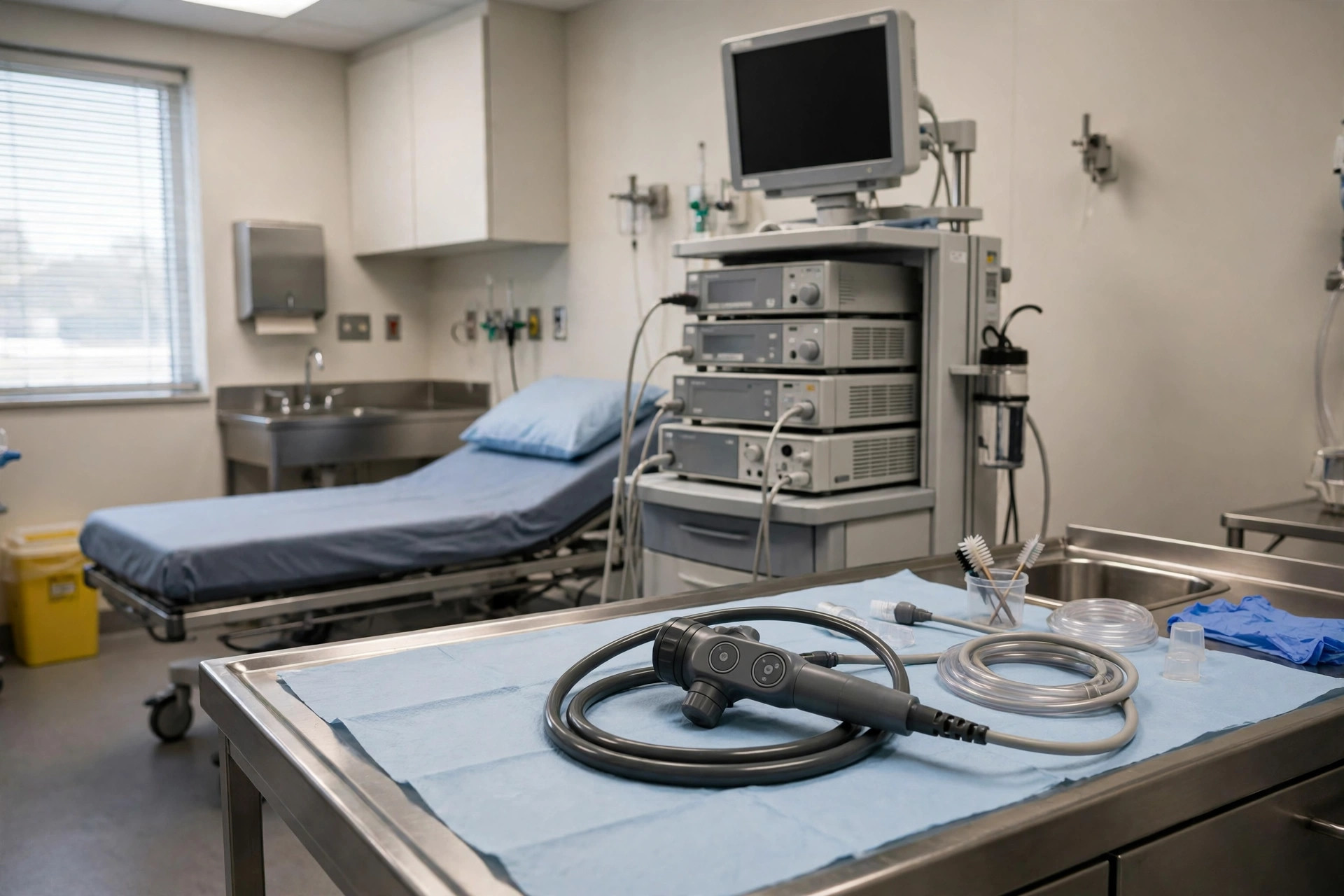 Flexible sigmoidoscopyEndoscopy
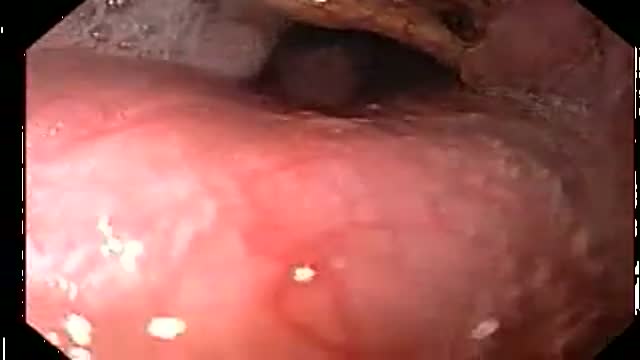 Gastroscopy (upper GI endoscopy)Endoscopy
 HysteroscopyEndoscopy
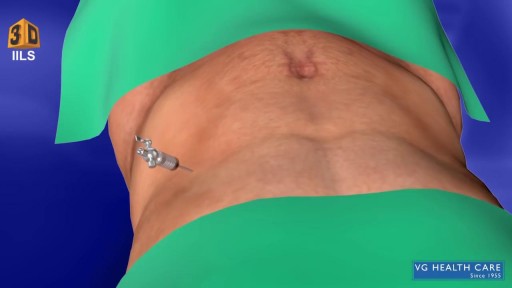 Laparoscopy (diagnostic)Endoscopy
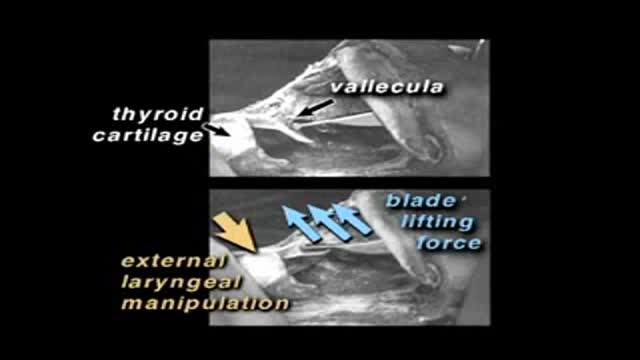 LaryngoscopyEndoscopy
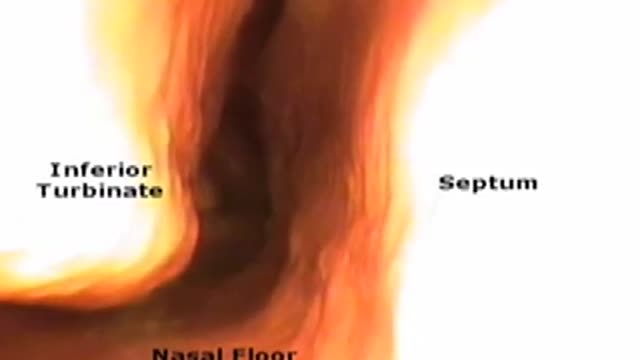 Nasal endoscopyEndoscopy
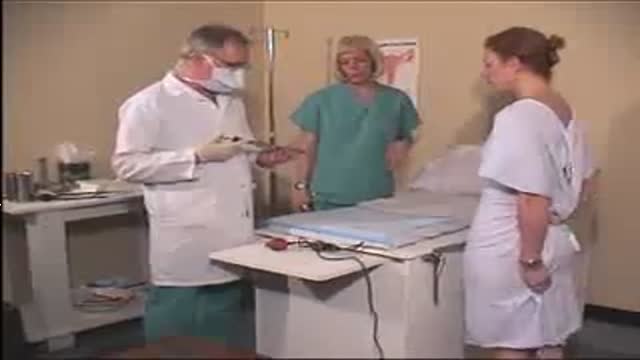 Proctoscopy and sigmoidoscopy (rigid)Endoscopy
| Procedure / test | Category | What it is |
|---|---|---|
| Arthroscopy (keyhole joint surgery) | Endoscopy | Arthroscopy is keyhole surgery on a joint: a pencil-thin camera and miniature instruments are inserted through small cuts to look inside the joint and treat problems such as torn cartilage or loose fragments. The knee is most common; shoulders, ankles, wrists, elbows and hips can also be treated. |
| Capsule endoscopy | Endoscopy | Capsule endoscopy uses a camera the size of a large vitamin capsule, which you swallow. As it travels naturally through the digestive system it takes thousands of pictures, transmitted to a recorder you wear, mainly to examine the small bowel that standard scopes cannot reach. |
| Colonoscopy | Endoscopy | A colonoscopy is an examination of the large bowel using a thin, flexible camera tube passed through the back passage. It gives a direct view of the bowel lining and allows polyps to be removed and samples (biopsies) to be taken. |
| Colposcopy | Endoscopy | Colposcopy is a detailed examination of the cervix (neck of the womb) using a bright magnifying microscope that stays outside the body, after an abnormal cervical screening (smear) result or if the cervix looks unusual. |
| Cystoscopy | Endoscopy | A cystoscopy examines the inside of the bladder and the urethra (water pipe) using a thin camera passed along the urethra. A flexible cystoscopy is done in clinic with local anaesthetic gel; a rigid cystoscopy is done under anaesthetic in theatre, often with treatment at the same time. |
| EBUS (endobronchial ultrasound) | Endoscopy | EBUS is a bronchoscopy with a tiny ultrasound probe on the tip of the scope. It lets the specialist see and sample lymph glands and masses beside the airways (in the centre of the chest) with a needle passed through the airway wall under live ultrasound guidance (EBUS-TBNA). |
| Endoscopic ultrasound (EUS) | Endoscopy | Endoscopic ultrasound combines an endoscope with an ultrasound probe at its tip, giving very detailed pictures of the gut wall and nearby organs such as the pancreas, bile ducts and lymph nodes from inside the body. A fine needle can be passed to sample tissue. |
| ERCP | Endoscopy | ERCP (endoscopic retrograde cholangiopancreatography) combines an endoscope passed through the mouth into the small bowel with X-ray dye pictures of the bile and pancreatic ducts. It is mainly a treatment procedure — for example removing stones from the bile duct or placing a stent to relieve a blockage. |
| Flexible sigmoidoscopy | Endoscopy | A flexible sigmoidoscopy examines the lower part of the large bowel (rectum and sigmoid colon) with a thin, flexible camera, to a depth of roughly the final third of the colon. |
| Gastroscopy (upper GI endoscopy) | Endoscopy | A gastroscopy (also called an upper GI endoscopy or OGD) passes a thin, flexible camera through the mouth to examine the gullet, stomach and the first part of the small bowel. |
| Hysteroscopy | Endoscopy | A hysteroscopy looks inside the womb using a thin telescope passed through the vagina and the neck of the womb (cervix), without any cuts. It is commonly done in an outpatient clinic. |
| Laparoscopy (diagnostic) | Endoscopy | A diagnostic laparoscopy is a keyhole operation in which a camera is inserted through a small cut near the belly button to look directly at the organs inside the abdomen and pelvis. Many operations are also done this way (therapeutic laparoscopy). |
| Laryngoscopy | Endoscopy | Laryngoscopy examines the voice box (larynx) and vocal cords. In clinic this is often done with a flexible scope through the nose; in theatre, under general anaesthetic, a rigid instrument gives a close view and allows biopsies and small procedures. |
| Nasal endoscopy | Endoscopy | Nasal endoscopy (nasendoscopy) examines the inside of the nose, sinuses openings, throat and voice box using a thin flexible camera passed through the nose. It is a standard ENT clinic test. |
| Proctoscopy and sigmoidoscopy (rigid) | Endoscopy | Proctoscopy is a short examination of the anal canal and lower rectum using a small, rigid, lighted tube. It is a quick clinic test, distinct from the longer flexible sigmoidoscopy. |
Please note: This page is educational information about a medical procedure or test. It does not replace the instructions of your own care team, who know your situation and whose preparation, fasting and medication advice you should follow if it differs from anything here. If you have symptoms that worry you, or an appointment you do not understand, contact your clinical team.