
- Physical Examination
- Surgical Examination
- Ophthalmology
- Clinical Skills
- Orthopedics
- Surgery Videos
- Laparoscopy
- Pediatrics
- Funny Videos
- Cardiothoracic Surgery
- Nursing Videos
- Plastic Surgery
- Otorhinolaryngology
- Histology and Histopathology
- Neurosurgery
- Dermatology
- Pediatric Surgery
- Urology
- Dentistry
- Oncology and Cancers
- Anatomy Videos
- Health and Fitness
- Radiology
- Anaesthesia
- Physical Therapy
- Pharmacology
- Interventional Radiology
- Cardiology
- Endocrinology
- Gynecology
- Emergency Medicine
- Psychiatry and Psychology
- Childbirth Videos
- General Medical Videos
- Nephrology
- Physiology
- Diet and Food Health
- Diabetes Mellitus
- Neurology
- Women Health
- Osteoporosis
- Gastroenterology
- Pulmonology
- Hematology
- Rheumatology
- Toxicology
- Nuclear Medicine
- Infectious Diseases
- Vascular Disease
- Reproductive Health
- Burns and Wound Healing
- Kidney Zone Podcast
- Other
Cardiac catheterisation — right heart cath
Category: Heart Tests & Procedures · All heart tests & procedures
What it is
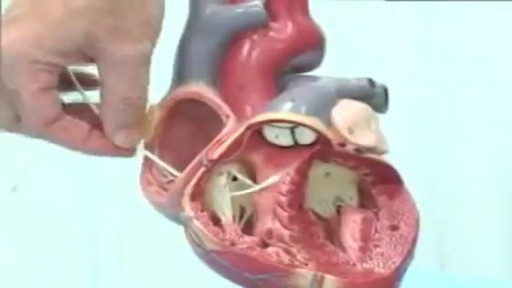
A right heart catheterisation passes a thin tube through a vein in the neck or groin into the right side of the heart and the lung arteries to measure pressures and the amount of blood the heart pumps.
Why it is done
It is used to diagnose and grade pulmonary hypertension, assess heart failure and valve disease, and contribute to transplant and complex surgical assessments.
How to prepare
You usually fast for a few hours and have blood tests. Tell the team about allergies and blood-thinning medicines.
What happens during the procedure
With local anaesthetic at the entry site and X-ray or ultrasound guidance, the catheter is floated through the heart chambers while pressures are recorded at each stage. Sometimes blood samples are taken, and occasionally a short exercise or fluid challenge is included. It takes about 30 to 60 minutes.
Afterwards — recovery & results
After a short period of observation checking the entry site, most people go home the same day. Results contribute to a specialist report discussed at your follow-up or by letter.
Risks & considerations
Risks include bruising or bleeding at the entry site, rhythm disturbances as the catheter passes through the heart, and rarely lung artery injury. It is generally a low-risk, well-tolerated test.
Watch: Cardiac catheterisation — right heart cath videos
Real procedure videos from the MedicalVideos.com library. Some clinical footage is graphic — that is the nature of a medical video library.
Related guides on MedicalVideos.com
Frequently asked questions
How is this different from a coronary angiogram?
A coronary angiogram enters arteries to picture the heart's own blood vessels. A right heart cath stays in the veins and right heart to measure pressures, not take artery pictures.
Why measure lung pressures?
High pressure in the lung arteries (pulmonary hypertension) has several causes and treatments, and the measurements are the definitive way to confirm and classify it.
Related procedures — Heart Tests & Procedures
Browse the C section of the A–Z list or return to the Procedures & Tests hub.