
- Physical Examination
- Surgical Examination
- Ophthalmology
- Clinical Skills
- Orthopedics
- Surgery Videos
- Laparoscopy
- Pediatrics
- Funny Videos
- Cardiothoracic Surgery
- Nursing Videos
- Plastic Surgery
- Otorhinolaryngology
- Histology and Histopathology
- Neurosurgery
- Dermatology
- Pediatric Surgery
- Urology
- Dentistry
- Oncology and Cancers
- Anatomy Videos
- Health and Fitness
- Radiology
- Anaesthesia
- Physical Therapy
- Pharmacology
- Interventional Radiology
- Cardiology
- Endocrinology
- Gynecology
- Emergency Medicine
- Psychiatry and Psychology
- Childbirth Videos
- General Medical Videos
- Nephrology
- Physiology
- Diet and Food Health
- Diabetes Mellitus
- Neurology
- Women Health
- Osteoporosis
- Gastroenterology
- Pulmonology
- Hematology
- Rheumatology
- Toxicology
- Nuclear Medicine
- Infectious Diseases
- Vascular Disease
- Reproductive Health
- Burns and Wound Healing
- Kidney Zone Podcast
- Other
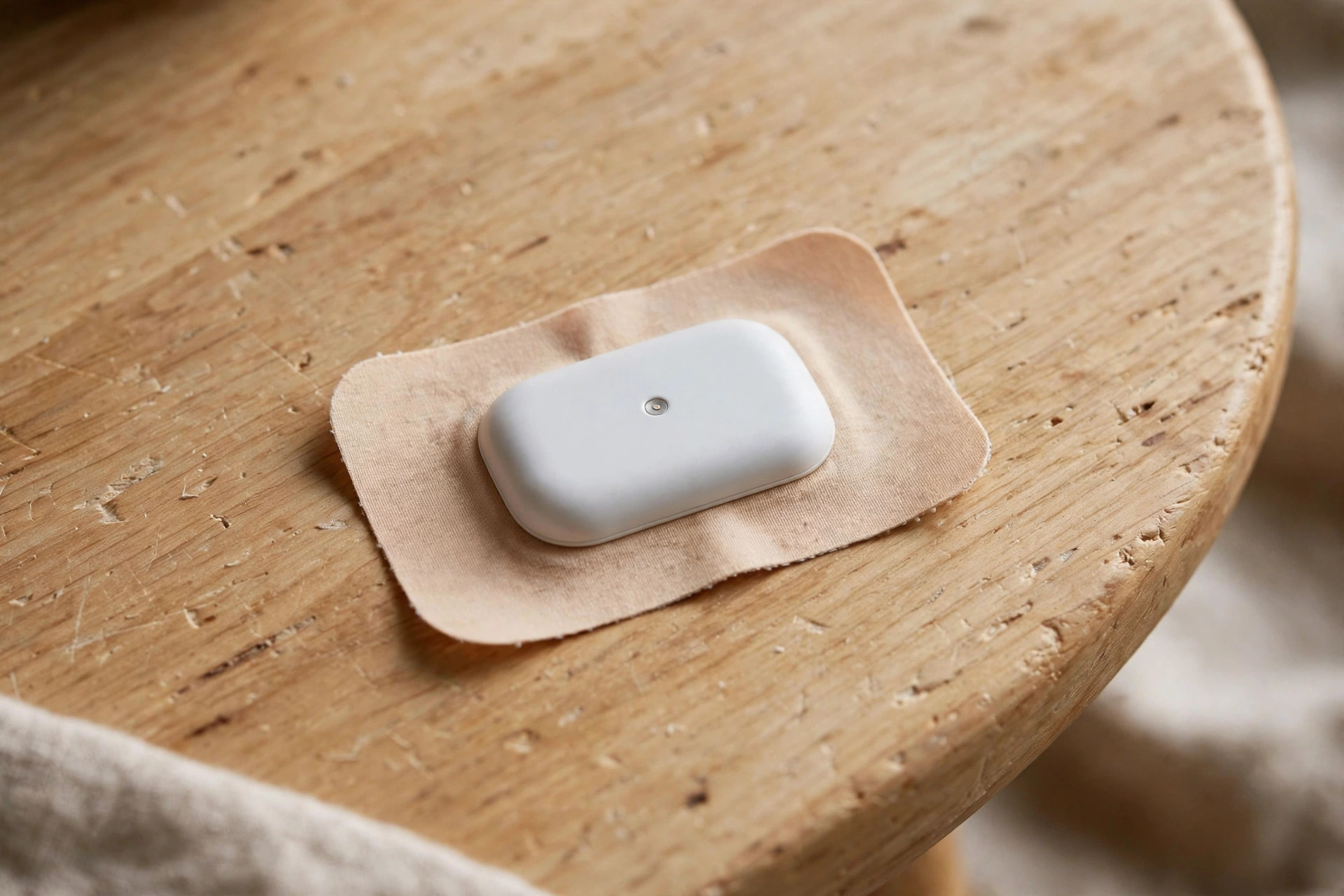
Cardiac event recorder / patch monitor
Category: Heart Tests & Procedures · All heart tests & procedures
What it is
A cardiac event recorder or patch monitor is a small ECG device worn for days to weeks. Some record continuously; others save the trace when you press a button during symptoms, keeping a window of recording from just before you pressed.
Why it is done
It is used for symptoms that happen too infrequently to catch on a 24-hour monitor — occasional palpitations, light-headedness or unexplained faints.
How to prepare
The patch or electrodes must stay dry or be reapplied as instructed, depending on the model. You will be shown how to trigger a recording and keep a simple symptom log.
What happens during the procedure
The device is fitted in clinic in a few minutes. You wear it during normal life, trigger it when symptoms occur, and return it by post or in person at the end of the period. Specialists review the recordings alongside your symptom times.
Afterwards — recovery & results
No aftercare is needed. Results are sent to your doctor, usually within a few weeks.
Risks & considerations
Risks are limited to skin irritation under patches or electrodes. A normal recording during symptoms is still very useful, because it can show the rhythm was normal at that moment.
Frequently asked questions
What if I forget to press the button?
Many recorders keep a buffer and save some time before the button press, and continuous patch models record everything anyway. Note the approximate time in your diary so the team can find it.
Can I fly with it?
Yes, it is a passive recorder. Tell airport security if asked, and follow the manufacturer's guidance about scanners — the clinic can advise.
Related procedures — Heart Tests & Procedures
Browse the C section of the A–Z list or return to the Procedures & Tests hub.