
- Physical Examination
- Surgical Examination
- Ophthalmology
- Clinical Skills
- Orthopedics
- Surgery Videos
- Laparoscopy
- Pediatrics
- Funny Videos
- Cardiothoracic Surgery
- Nursing Videos
- Plastic Surgery
- Otorhinolaryngology
- Histology and Histopathology
- Neurosurgery
- Dermatology
- Pediatric Surgery
- Urology
- Dentistry
- Oncology and Cancers
- Anatomy Videos
- Health and Fitness
- Radiology
- Anaesthesia
- Physical Therapy
- Pharmacology
- Interventional Radiology
- Cardiology
- Endocrinology
- Gynecology
- Emergency Medicine
- Psychiatry and Psychology
- Childbirth Videos
- General Medical Videos
- Nephrology
- Physiology
- Diet and Food Health
- Diabetes Mellitus
- Neurology
- Women Health
- Osteoporosis
- Gastroenterology
- Pulmonology
- Hematology
- Rheumatology
- Toxicology
- Nuclear Medicine
- Infectious Diseases
- Vascular Disease
- Reproductive Health
- Burns and Wound Healing
- Kidney Zone Podcast
- Other
Heart Tests & Procedures
Tests and procedures of the heart and circulation: rhythm recordings and monitors, ultrasound of the heart, catheter procedures that open narrowed arteries, pacemakers and defibrillators, rhythm-correcting treatments and heart surgery — each explained step by step, from preparation to recovery.
This page lists all 20 of them in the guide. Open any procedure for preparation, step-by-step what happens, recovery advice and frequently asked questions.
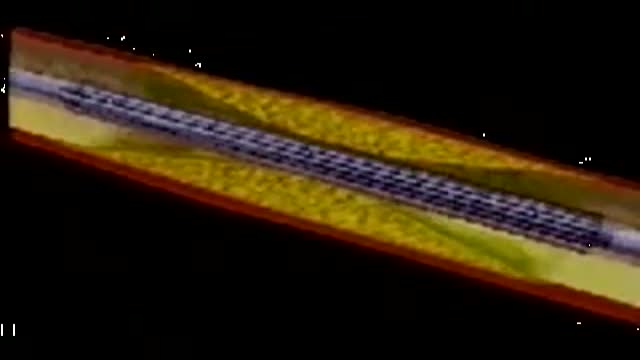 Angioplasty and stent (PCI)Heart
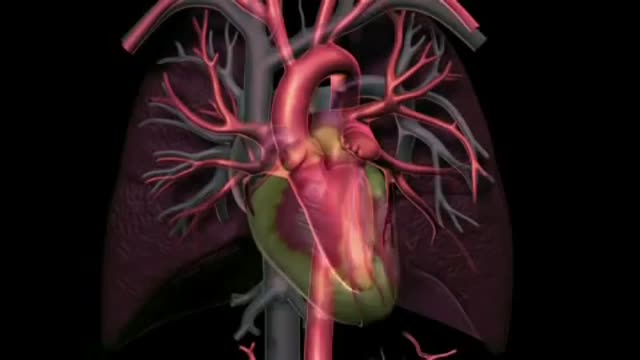 Cardiac ablation (catheter ablation)Heart
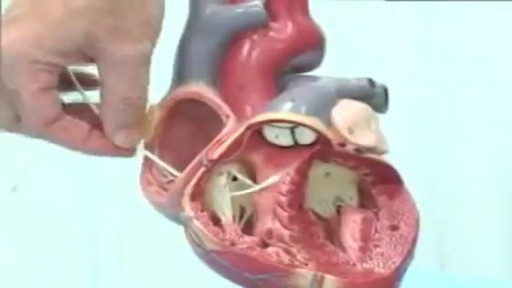 Cardiac catheterisation — right heart cathHeart
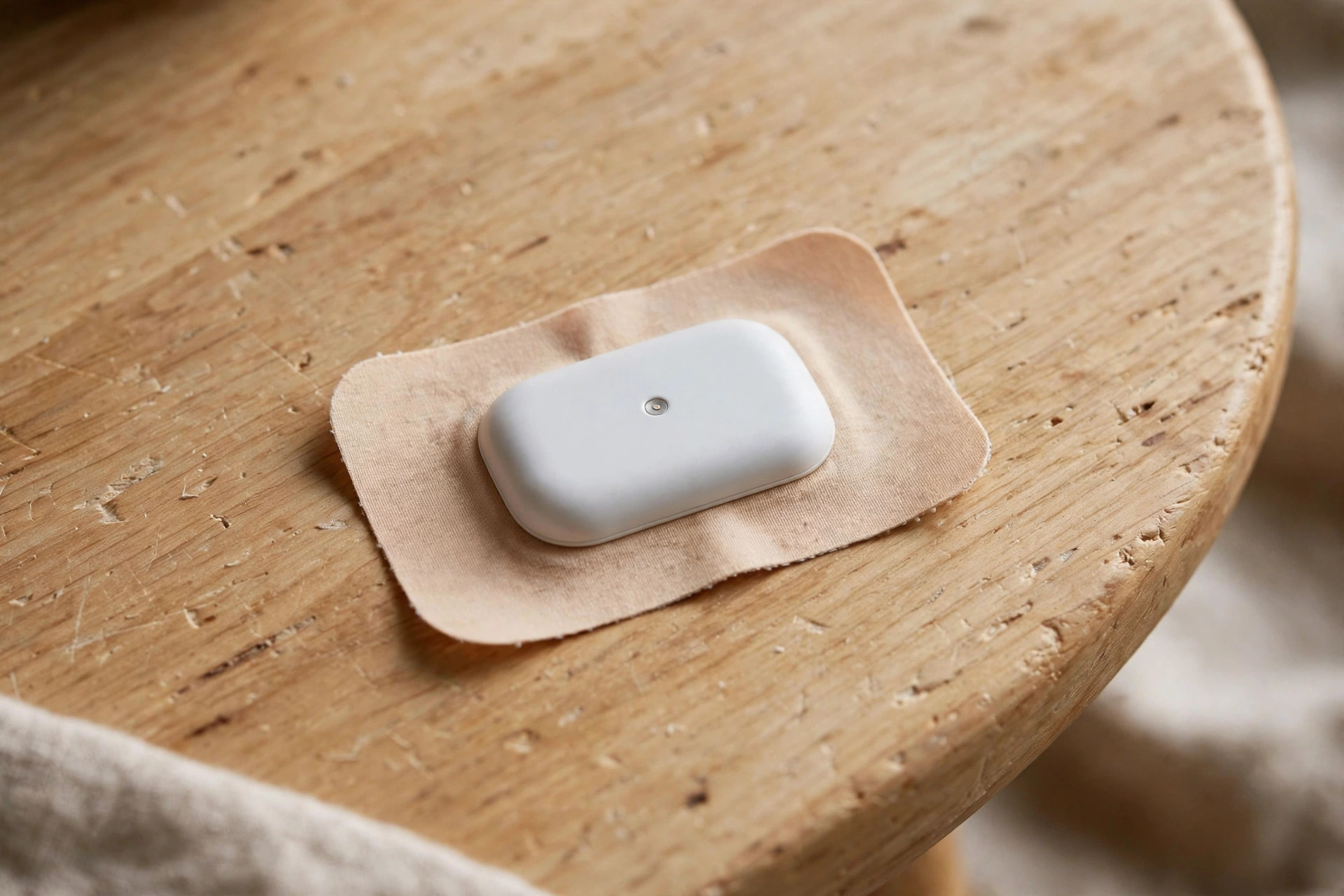 Cardiac event recorder / patch monitorHeart
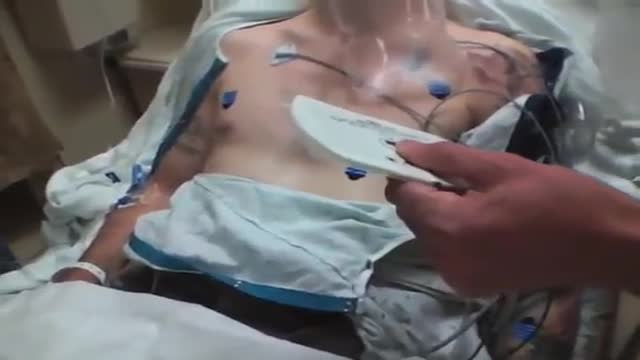 Cardioversion (DC shock treatment)Heart
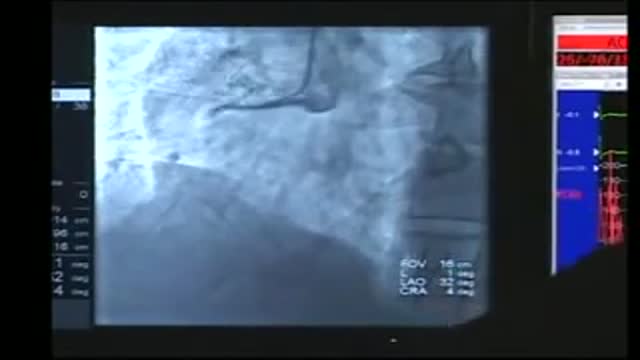 Coronary angiogram (cardiac catheterisation)Heart
 Coronary artery bypass graft (CABG)Heart
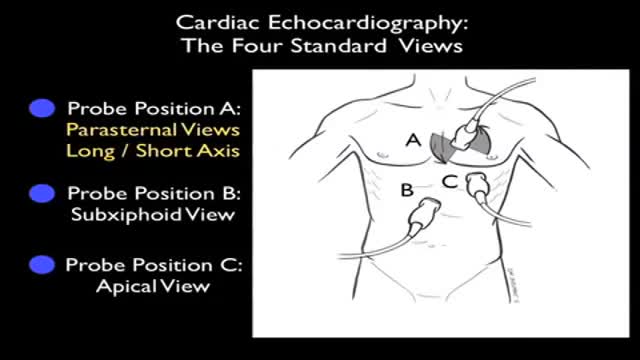 Echocardiogram (heart ultrasound)Heart
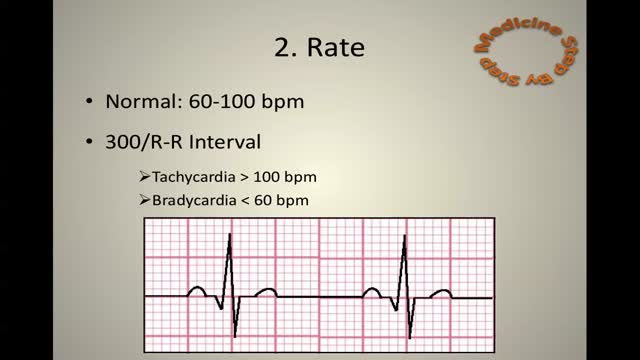 Electrocardiogram (ECG/EKG)Heart
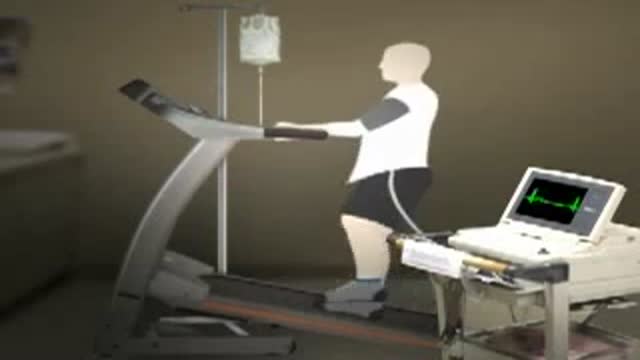 Exercise stress test (treadmill test)Heart
 Heart valve replacement / repair surgeryHeart
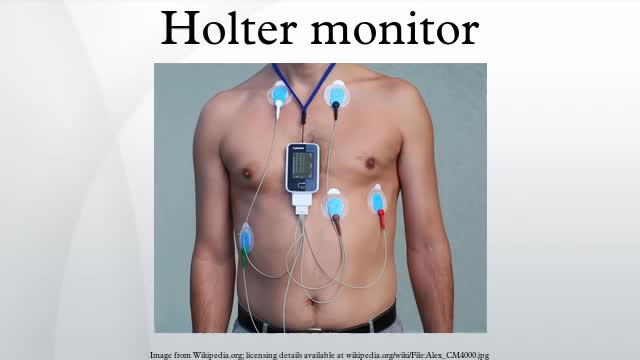 Holter monitor (24–48 hour ECG)Heart
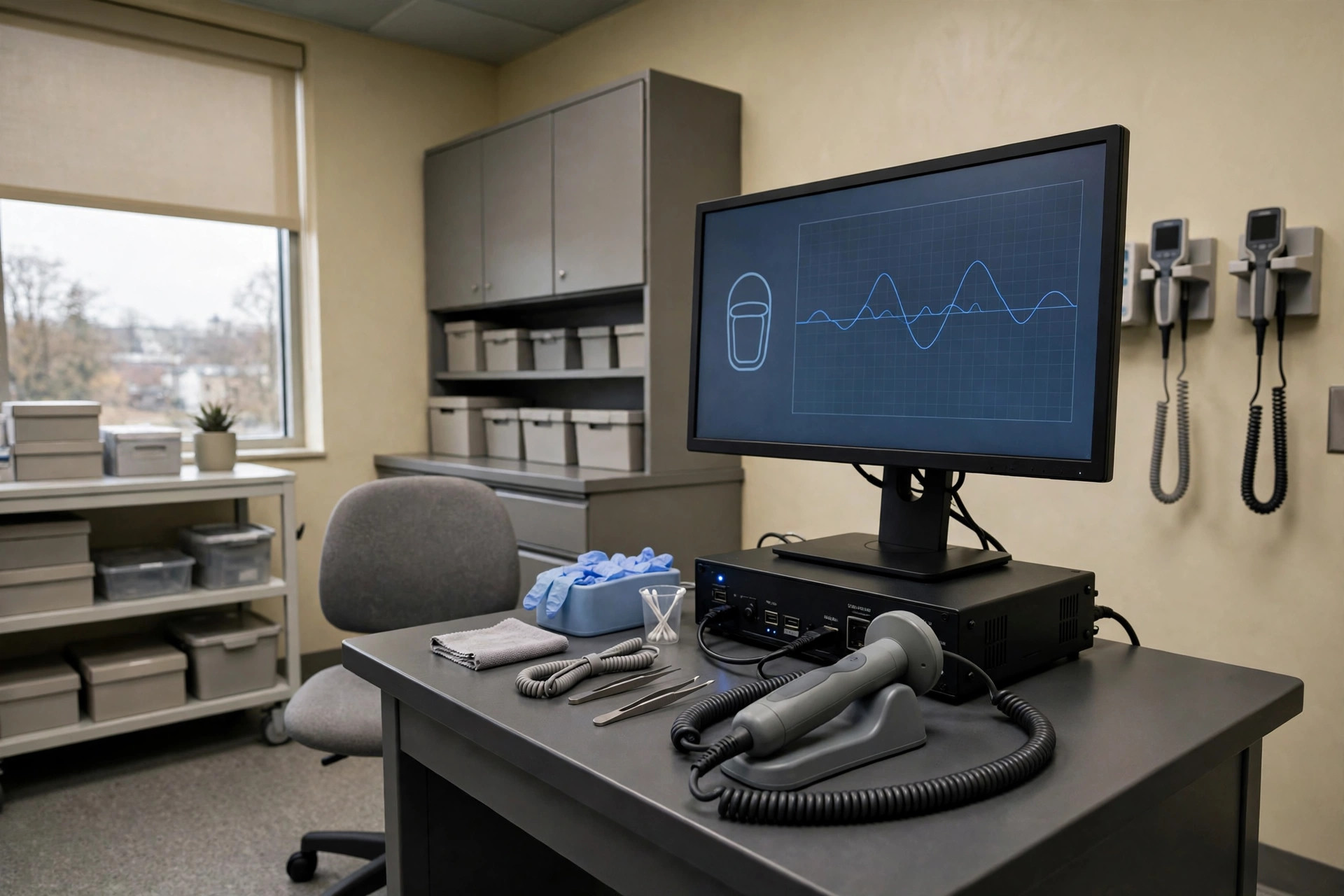 Implantable cardioverter defibrillator (ICD)Heart
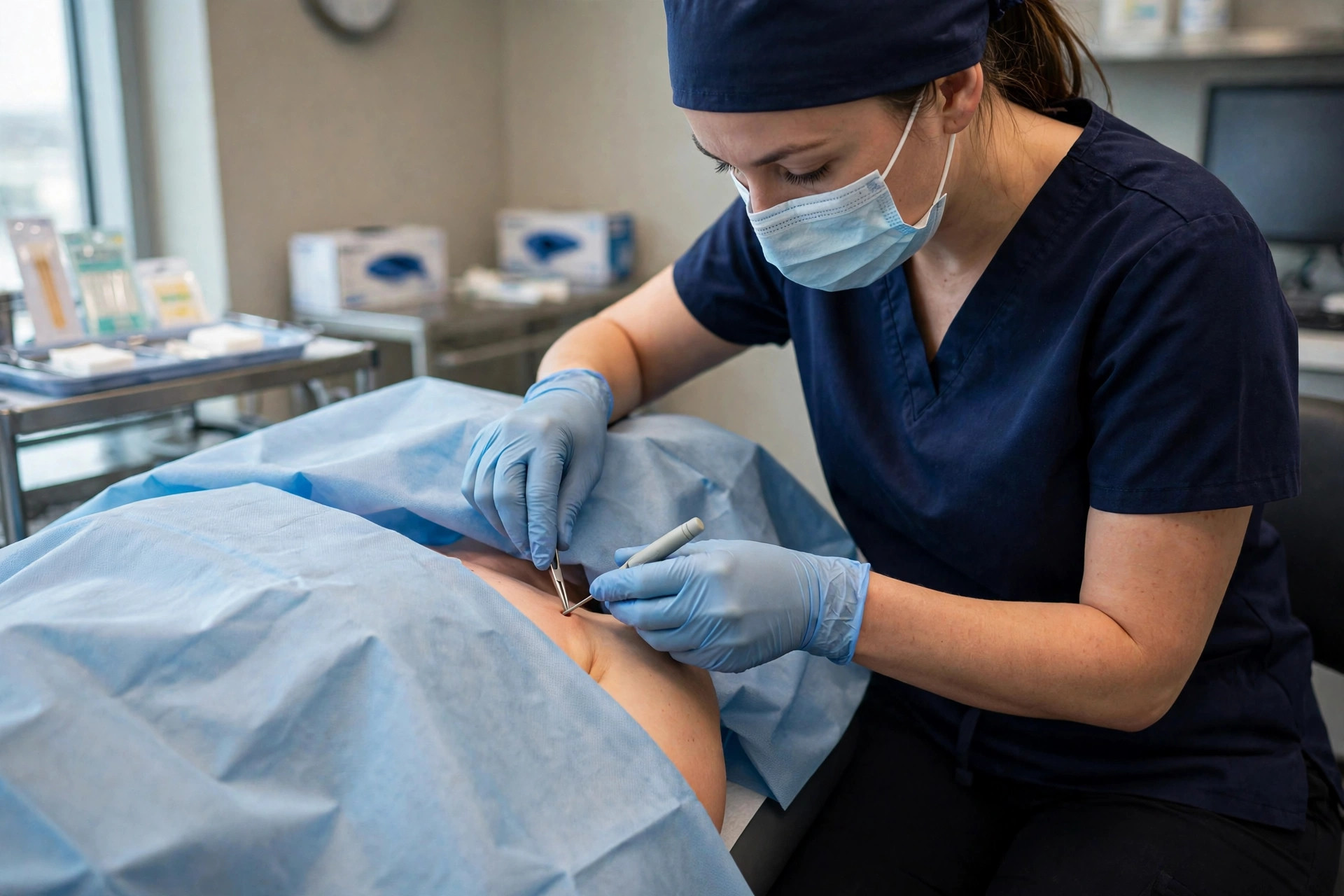 Implantable loop recorderHeart
 Pacemaker implantationHeart
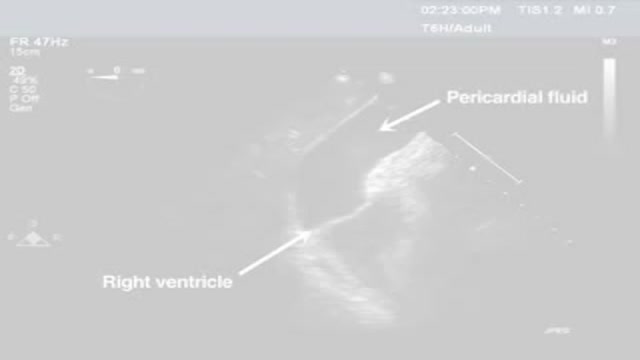 PericardiocentesisHeart
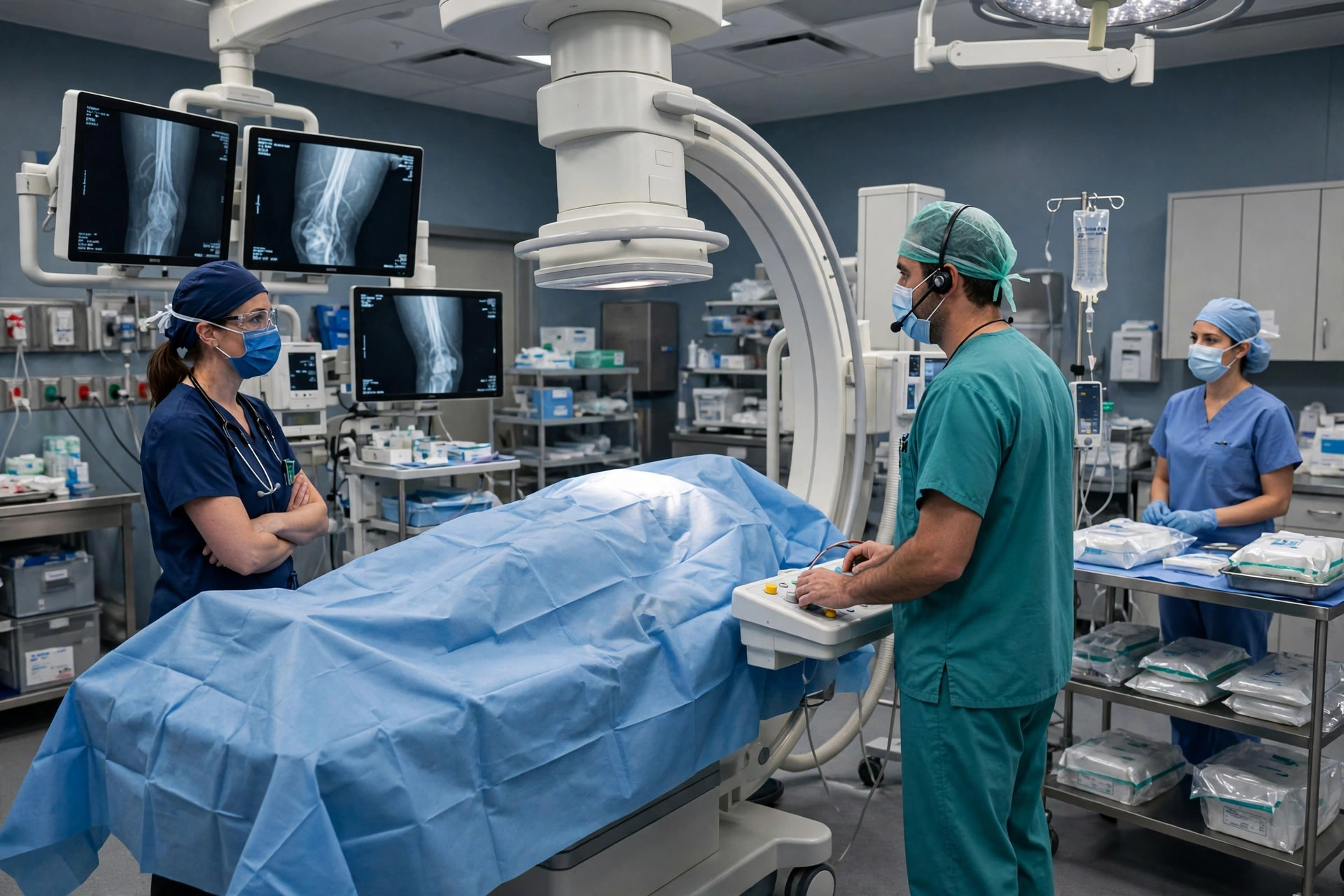 Peripheral angiography and angioplasty (leg arteries)Heart
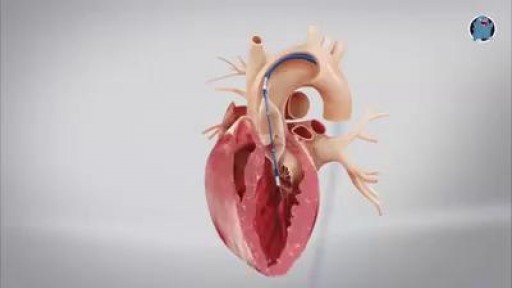 TAVI (transcatheter aortic valve implantation)Heart
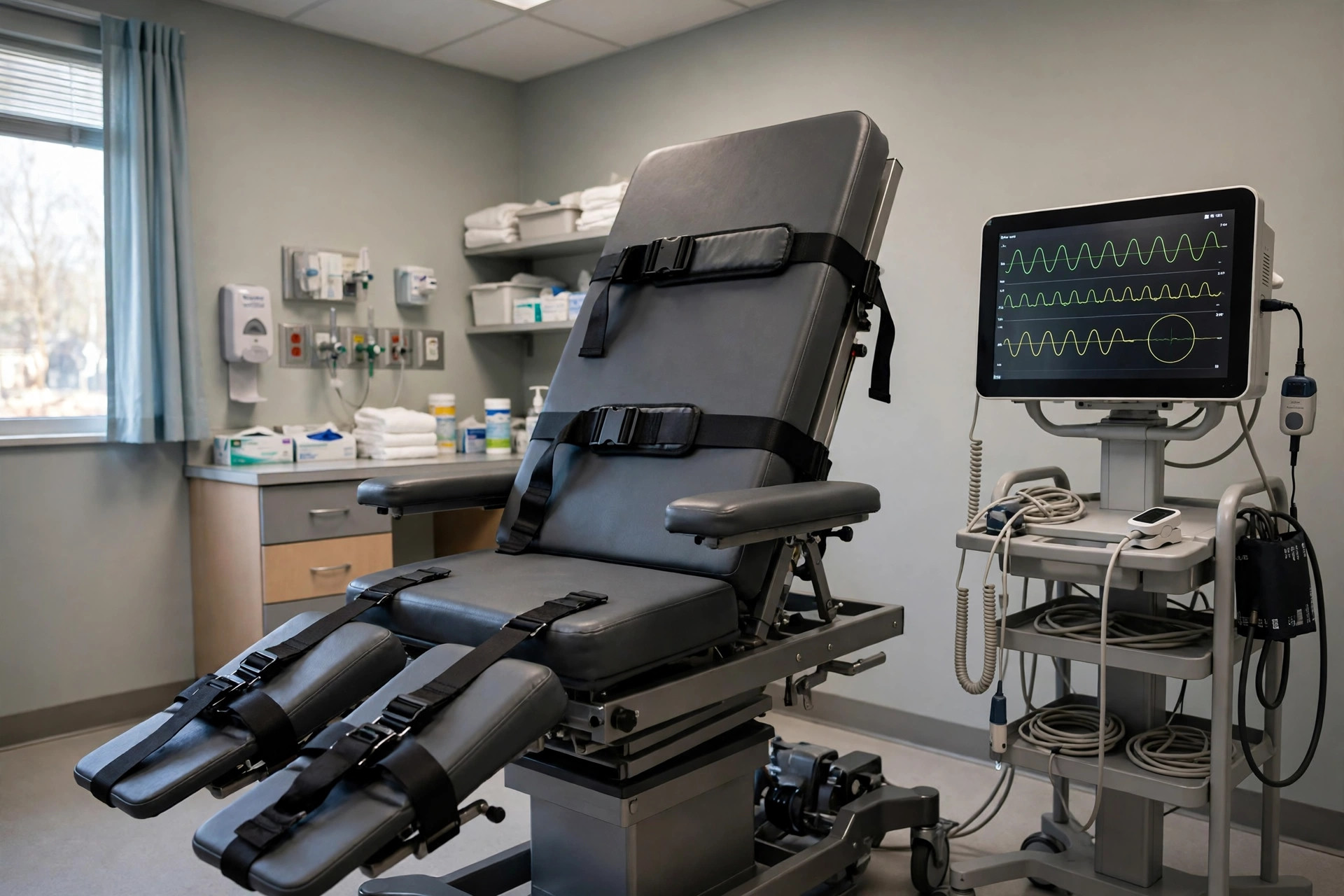 Tilt table testHeart
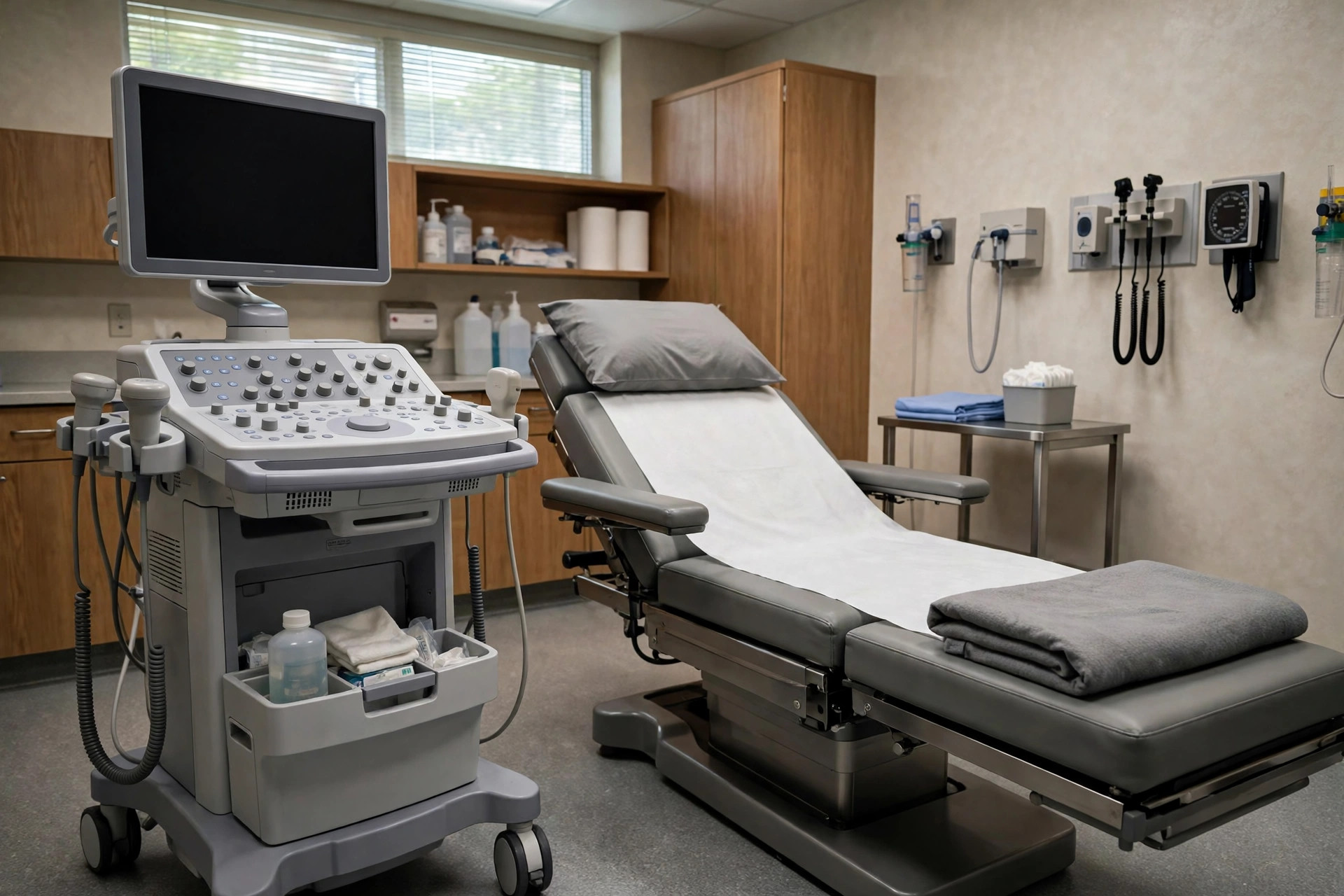 Transoesophageal echocardiogram (TOE/TEE)Heart
| Procedure / test | Category | What it is |
|---|---|---|
| Angioplasty and stent (PCI) | Heart | Angioplasty (PCI) is a treatment in which a small balloon passed through a catheter is inflated inside a narrowed coronary artery to widen it, usually leaving a small metal mesh tube (stent) to hold it open. |
| Cardiac ablation (catheter ablation) | Heart | Catheter ablation is a procedure in which fine tubes passed through a vein in the groin deliver heat (radiofrequency) or freezing (cryo) energy inside the heart to destroy tiny areas of tissue causing abnormal rhythms. |
| Cardiac catheterisation — right heart cath | Heart | A right heart catheterisation passes a thin tube through a vein in the neck or groin into the right side of the heart and the lung arteries to measure pressures and the amount of blood the heart pumps. |
| Cardiac event recorder / patch monitor | Heart | A cardiac event recorder or patch monitor is a small ECG device worn for days to weeks. Some record continuously; others save the trace when you press a button during symptoms, keeping a window of recording from just before you pressed. |
| Cardioversion (DC shock treatment) | Heart | Cardioversion is a planned procedure in which a controlled electric shock is delivered through pads on the chest to reset an abnormal heart rhythm (such as atrial fibrillation) back to normal. |
| Coronary angiogram (cardiac catheterisation) | Heart | A coronary angiogram (cardiac catheterisation) is an X-ray procedure in which a fine tube is passed through a blood vessel in the wrist or groin to the heart, and dye is injected to show the coronary arteries and any narrowings. |
| Coronary artery bypass graft (CABG) | Heart | Coronary artery bypass graft surgery (CABG) is open-heart surgery in which a blood vessel taken from the leg, arm or chest is sewn onto the coronary arteries to create a new route for blood around narrowed or blocked sections. |
| Echocardiogram (heart ultrasound) | Heart | An echocardiogram is an ultrasound scan of the heart. It shows the heart chambers, valves and pumping action in motion, using sound waves only — no radiation. |
| Electrocardiogram (ECG/EKG) | Heart | An electrocardiogram (ECG) is a recording of the heart's electrical activity through sticky electrodes placed on the chest, arms and legs. It is quick, painless and completely safe. |
| Exercise stress test (treadmill test) | Heart | An exercise stress test records the heart's electrical activity, blood pressure and symptoms while you walk on a treadmill (or pedal an exercise bike) at gradually increasing effort. |
| Heart valve replacement / repair surgery | Heart | Heart valve surgery repairs or replaces a valve that is narrowed (stenosis) or leaking (regurgitation). Replacement valves are either mechanical (man-made) or tissue (from animal tissue), and the choice is discussed with you in advance. |
| Holter monitor (24–48 hour ECG) | Heart | A Holter monitor is a small portable ECG recorder worn for 24 to 48 hours (sometimes longer) that records every heartbeat while you go about normal life. |
| Implantable cardioverter defibrillator (ICD) | Heart | An ICD is a device similar to a pacemaker but able to deliver a stronger internal shock to stop dangerously fast heart rhythms, as well as pace the heart if it goes too slowly. |
| Implantable loop recorder | Heart | An implantable loop recorder is a tiny heart-rhythm monitor placed just under the skin of the chest. It continuously watches the heart's electrical activity for up to a few years, automatically recording abnormal rhythms and episodes you activate with a small hand-held trigger, and sending data to the clinic from a home transmitter. |
| Pacemaker implantation | Heart | A pacemaker is a small electronic device implanted under the skin near the collarbone, with one or more fine leads passed through a vein into the heart. It monitors the heartbeat and delivers tiny painless pulses if the heart beats too slowly. |
| Pericardiocentesis | Heart | Pericardiocentesis is a procedure to remove excess fluid from the sac around the heart (pericardium) using a needle and fine drain, usually guided by ultrasound. |
| Peripheral angiography and angioplasty (leg arteries) | Heart | Peripheral angiography takes X-ray pictures of the leg arteries using contrast dye injected through a thin catheter, showing narrowings and blockages. Where suitable, angioplasty treats the narrowing at the same session — a balloon stretches the artery, sometimes leaving a stent to hold it open. |
| TAVI (transcatheter aortic valve implantation) | Heart | TAVI is a procedure to replace a narrowed aortic valve without open-heart surgery. A new tissue valve, folded inside a catheter, is passed usually through an artery in the groin and expanded inside the old valve. |
| Tilt table test | Heart | A tilt table test investigates fainting. You lie on a table that is tilted upright at an angle while your heart rhythm and blood pressure are monitored, to see whether the tilt reproduces a faint and why. |
| Transoesophageal echocardiogram (TOE/TEE) | Heart | A transoesophageal echocardiogram is an ultrasound of the heart done with a probe passed gently down the food pipe (oesophagus), which sits directly behind the heart and gives very detailed pictures. |
Please note: This page is educational information about a medical procedure or test. It does not replace the instructions of your own care team, who know your situation and whose preparation, fasting and medication advice you should follow if it differs from anything here. If you have symptoms that worry you, or an appointment you do not understand, contact your clinical team.