
- Physical Examination
- Surgical Examination
- Ophthalmology
- Clinical Skills
- Orthopedics
- Surgery Videos
- Laparoscopy
- Pediatrics
- Funny Videos
- Cardiothoracic Surgery
- Nursing Videos
- Plastic Surgery
- Otorhinolaryngology
- Histology and Histopathology
- Neurosurgery
- Dermatology
- Pediatric Surgery
- Urology
- Dentistry
- Oncology and Cancers
- Anatomy Videos
- Health and Fitness
- Radiology
- Anaesthesia
- Physical Therapy
- Pharmacology
- Interventional Radiology
- Cardiology
- Endocrinology
- Gynecology
- Emergency Medicine
- Psychiatry and Psychology
- Childbirth Videos
- General Medical Videos
- Nephrology
- Physiology
- Diet and Food Health
- Diabetes Mellitus
- Neurology
- Women Health
- Osteoporosis
- Gastroenterology
- Pulmonology
- Hematology
- Rheumatology
- Toxicology
- Nuclear Medicine
- Infectious Diseases
- Vascular Disease
- Reproductive Health
- Burns and Wound Healing
- Kidney Zone Podcast
- Other
CT scan — chest
Category: Imaging & Scans · All imaging & scans
What it is
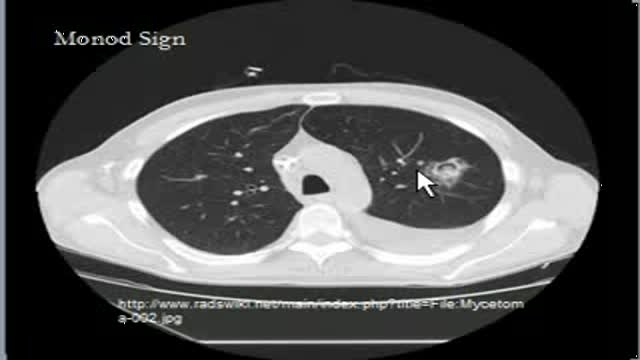
A CT scan of the chest builds detailed cross-section pictures of the lungs, airways, heart and the large blood vessels in the chest, using X-rays and a computer.
Why it is done
It may be used to investigate persistent cough, coughing blood, breathlessness, abnormal chest X-ray findings, or to look for problems such as a blood clot in the lung arteries, infection or a tumour.
How to prepare
Preparation depends on the type of scan. You may be asked not to eat for a few hours if contrast dye is planned. Tell the team about allergies, asthma and kidney problems beforehand.
What happens during the procedure
You lie on a table that moves through the scanner ring while you hold your breath for a few seconds at a time. It is painless and usually takes 10 to 15 minutes. Contrast dye given through a vein may cause a brief warm, flushed feeling.
Afterwards — recovery & results
You can usually resume normal activities straight away. The scan is reported by a radiologist and results go to your doctor, often within a few days, or the same day if urgent.
Risks & considerations
CT involves a higher radiation dose than a chest X-ray and is used when the extra detail is needed. Contrast dye can occasionally cause an allergic-type reaction or strain the kidneys, which is why your kidney function is checked first.
Watch: CT scan — chest videos
Real procedure videos from the MedicalVideos.com library. Some clinical footage is graphic — that is the nature of a medical video library.
Related guides on MedicalVideos.com
Frequently asked questions
Will I need the contrast dye?
Many chest CT scans use it because it highlights blood vessels and helps tell tissues apart, but not all do. The radiology team decides based on the question your doctor has asked.
Can I have a CT scan if I am claustrophobic?
Usually yes — the scanner is an open ring and the scan is quick. Tell the team beforehand if you are anxious so they can help you feel comfortable.
Related procedures — Imaging & Scans
Browse the C section of the A–Z list or return to the Procedures & Tests hub.