
- Physical Examination
- Surgical Examination
- Ophthalmology
- Clinical Skills
- Orthopedics
- Surgery Videos
- Laparoscopy
- Pediatrics
- Funny Videos
- Cardiothoracic Surgery
- Nursing Videos
- Plastic Surgery
- Otorhinolaryngology
- Histology and Histopathology
- Neurosurgery
- Dermatology
- Pediatric Surgery
- Urology
- Dentistry
- Oncology and Cancers
- Anatomy Videos
- Health and Fitness
- Radiology
- Anaesthesia
- Physical Therapy
- Pharmacology
- Interventional Radiology
- Cardiology
- Endocrinology
- Gynecology
- Emergency Medicine
- Psychiatry and Psychology
- Childbirth Videos
- General Medical Videos
- Nephrology
- Physiology
- Diet and Food Health
- Diabetes Mellitus
- Neurology
- Women Health
- Osteoporosis
- Gastroenterology
- Pulmonology
- Hematology
- Rheumatology
- Toxicology
- Nuclear Medicine
- Infectious Diseases
- Vascular Disease
- Reproductive Health
- Burns and Wound Healing
- Kidney Zone Podcast
- Other
Gastroscopy (upper GI endoscopy)
Category: Endoscopy & Camera Tests · All endoscopy & camera tests
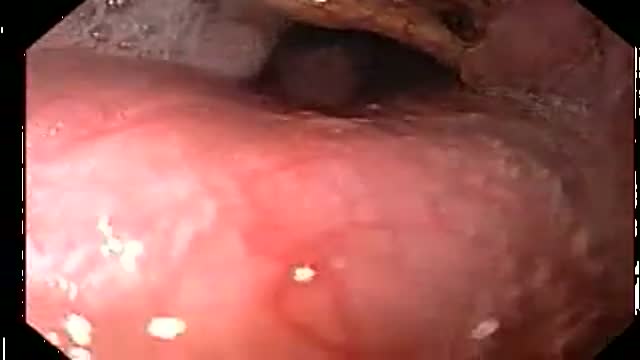
What it is
A gastroscopy (also called an upper GI endoscopy or OGD) passes a thin, flexible camera through the mouth to examine the gullet, stomach and the first part of the small bowel.
Why it is done
It is used to investigate persistent heartburn or reflux, difficulty swallowing, upper abdominal pain, vomiting, anaemia and suspected ulcers or coeliac disease, and to take biopsies.
How to prepare
You must have an empty stomach, so you will be asked not to eat for several hours and to sip only water up to a couple of hours before, as instructed. Tell the team about diabetes and blood-thinning medicines. Dentures are removed just before the test.
What happens during the procedure
Your throat is numbed with a spray, and sedation is optional. You lie on your side, bite on a small mouth guard, and the camera is passed as you swallow. It is uncomfortable rather than painful and usually takes 5 to 15 minutes. Biopsies are painless. Air introduced can make you belch.
Afterwards — recovery & results
You recover briefly in the unit. If you had sedation you need an escort home and cannot drive for 24 hours; with throat spray alone most people go home sooner but must wait until swallowing feels normal before eating or drinking. A mild sore throat for a day is common.
Risks & considerations
Risks include a sore throat, minor bleeding after biopsies, and rarely a tear in the gullet or stomach. Sedation carries small risks of breathing problems. Serious complications are uncommon.
Watch: Gastroscopy (upper GI endoscopy) videos
Real procedure videos from the MedicalVideos.com library. Some clinical footage is graphic — that is the nature of a medical video library.
Frequently asked questions
Can I choose not to have sedation?
Yes. Many people manage with throat spray alone, especially as the test is short. Sedation makes you relaxed and drowsy but means you need an escort and a quiet day afterwards.
Why were biopsies taken if everything looked normal?
Some conditions, such as coeliac disease and certain infections, are diagnosed under the microscope from samples even when the lining looks normal.
Related procedures — Endoscopy & Camera Tests
Browse the G section of the A–Z list or return to the Procedures & Tests hub.