
- Physical Examination
- Surgical Examination
- Ophthalmology
- Clinical Skills
- Orthopedics
- Surgery Videos
- Laparoscopy
- Pediatrics
- Funny Videos
- Cardiothoracic Surgery
- Nursing Videos
- Plastic Surgery
- Otorhinolaryngology
- Histology and Histopathology
- Neurosurgery
- Dermatology
- Pediatric Surgery
- Urology
- Dentistry
- Oncology and Cancers
- Anatomy Videos
- Health and Fitness
- Radiology
- Anaesthesia
- Physical Therapy
- Pharmacology
- Interventional Radiology
- Cardiology
- Endocrinology
- Gynecology
- Emergency Medicine
- Psychiatry and Psychology
- Childbirth Videos
- General Medical Videos
- Nephrology
- Physiology
- Diet and Food Health
- Diabetes Mellitus
- Neurology
- Women Health
- Osteoporosis
- Gastroenterology
- Pulmonology
- Hematology
- Rheumatology
- Toxicology
- Nuclear Medicine
- Infectious Diseases
- Vascular Disease
- Reproductive Health
- Burns and Wound Healing
- Kidney Zone Podcast
- Other
Hysterosalpingogram (HSG)
Category: Imaging & Scans · All imaging & scans
What it is
A hysterosalpingogram (HSG) is an X-ray test in which a small amount of dye is passed through the neck of the womb so the womb cavity and fallopian tubes can be seen and checked for blockages.
Why it is done
It is part of fertility investigations, to check whether the fallopian tubes are open and whether the shape of the womb cavity looks normal.
How to prepare
The test is booked for the first part of your cycle, after your period and before ovulation, and you must not be pregnant. You may be advised to take a simple painkiller beforehand, because the test can cause period-like cramps.
What happens during the procedure
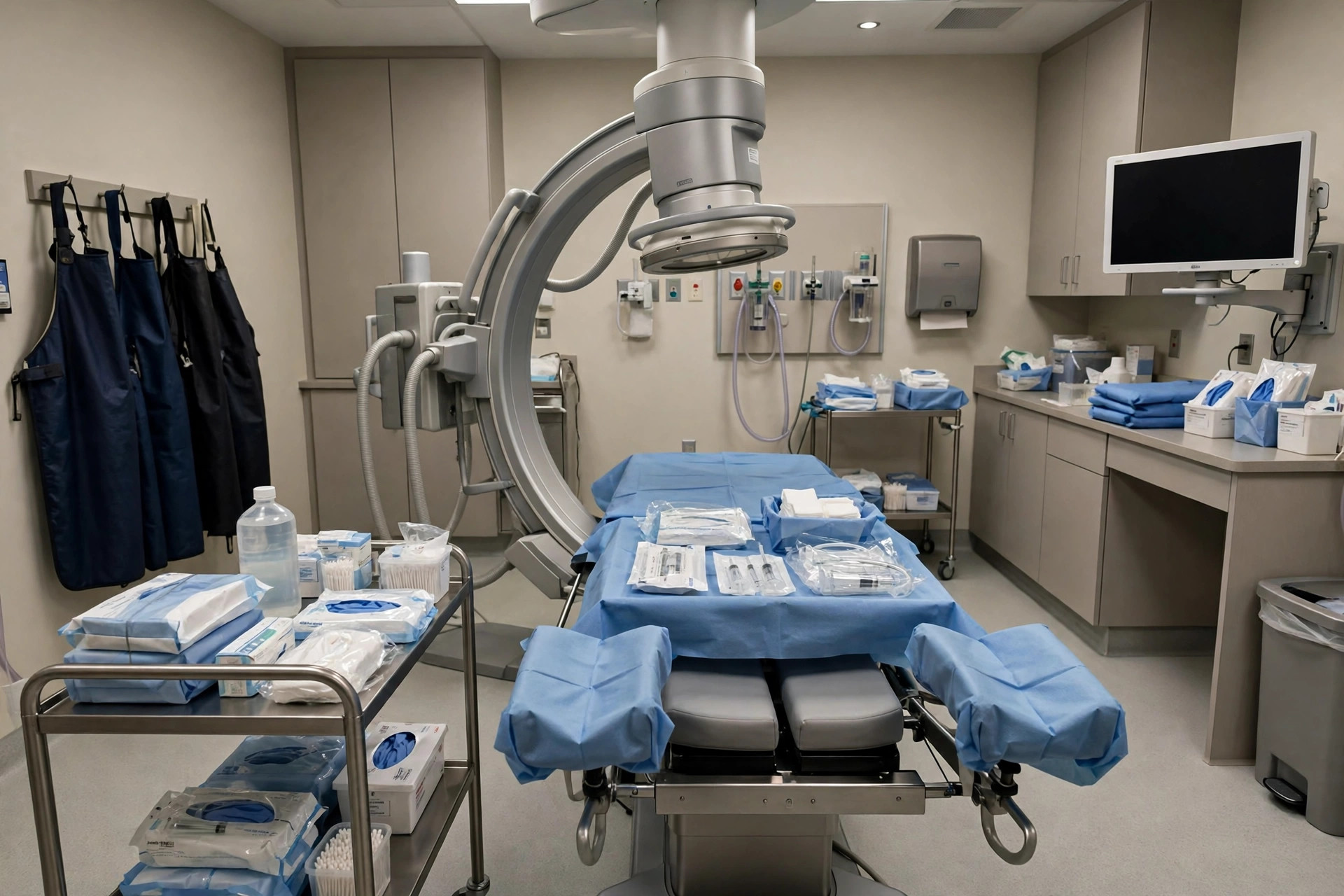
You lie on an X-ray table as for a smear test. A speculum is placed, a fine tube passes dye through the cervix, and X-ray pictures are taken as the dye fills the womb and spills from the tubes. It usually takes about 15 to 30 minutes.
Afterwards — recovery & results
You can usually go home shortly afterwards. Some cramping and light spotting for a day or so are common. Results are often discussed at your fertility follow-up appointment.
Risks & considerations
There is a small risk of pelvic infection, which is why some units give antibiotics, and a small chance of an allergic-type reaction to the dye. Radiation dose is low. Tell the team about pelvic infections or dye allergies beforehand.
Related guides on MedicalVideos.com
Frequently asked questions
Does an HSG hurt?
Most people describe period-like cramps while the dye is injected, lasting a few minutes. Taking a painkiller beforehand, as advised, helps.
Can the test itself improve fertility?
Some studies suggest a temporary increase in pregnancy rates after an HSG, possibly from flushing the tubes, but this is not guaranteed and is not the main purpose of the test.
Related procedures — Imaging & Scans
Browse the H section of the A–Z list or return to the Procedures & Tests hub.