
- Physical Examination
- Surgical Examination
- Ophthalmology
- Clinical Skills
- Orthopedics
- Surgery Videos
- Laparoscopy
- Pediatrics
- Funny Videos
- Cardiothoracic Surgery
- Nursing Videos
- Plastic Surgery
- Otorhinolaryngology
- Histology and Histopathology
- Neurosurgery
- Dermatology
- Pediatric Surgery
- Urology
- Dentistry
- Oncology and Cancers
- Anatomy Videos
- Health and Fitness
- Radiology
- Anaesthesia
- Physical Therapy
- Pharmacology
- Interventional Radiology
- Cardiology
- Endocrinology
- Gynecology
- Emergency Medicine
- Psychiatry and Psychology
- Childbirth Videos
- General Medical Videos
- Nephrology
- Physiology
- Diet and Food Health
- Diabetes Mellitus
- Neurology
- Women Health
- Osteoporosis
- Gastroenterology
- Pulmonology
- Hematology
- Rheumatology
- Toxicology
- Nuclear Medicine
- Infectious Diseases
- Vascular Disease
- Reproductive Health
- Burns and Wound Healing
- Kidney Zone Podcast
- Other
Nasal endoscopy
Category: Endoscopy & Camera Tests · All endoscopy & camera tests
What it is
Nasal endoscopy (nasendoscopy) examines the inside of the nose, sinuses openings, throat and voice box using a thin flexible camera passed through the nose. It is a standard ENT clinic test.
Why it is done
It is used to investigate persistent blocked nose, sinus symptoms, nosebleeds, voice changes, swallowing concerns and to check the upper airway in sleep apnoea assessment.
How to prepare
There is usually no preparation. You can eat and drink normally. Tell the clinician about allergies and any previous nasal surgery.
What happens during the procedure
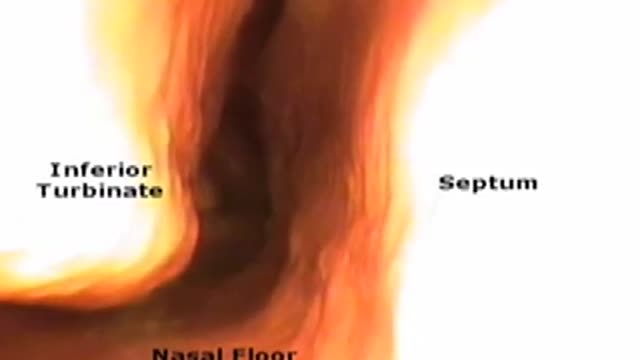
You sit upright in a clinic chair. A decongestant or anaesthetic spray may be used in the nose. The scope passes gently along the floor of the nose while you breathe normally; you may be asked to make sounds or swallow so the throat and voice box can be assessed. It takes about 5 minutes and causes brief discomfort rather than pain for most people.
Afterwards — recovery & results
You can return to normal activities immediately. If anaesthetic spray was used, wait until the numb feeling in the throat has worn off before eating or drinking hot fluids.
Risks & considerations
Risks are minimal — brief discomfort, sneezing, watering eyes and occasionally a small nosebleed. Serious complications are very rare.
Watch: Nasal endoscopy videos
Real procedure videos from the MedicalVideos.com library. Some clinical footage is graphic — that is the nature of a medical video library.
Related guides on MedicalVideos.com
Frequently asked questions
Does it hurt?
Most people describe pressure and an odd sensation rather than pain, and it is over in a few minutes. The spray helps numb the nose first.
Can it show why my voice is hoarse?
Yes — it directly views the voice box and how the vocal cords move, which is the key examination for persistent hoarseness.
Related procedures — Endoscopy & Camera Tests
Browse the N section of the A–Z list or return to the Procedures & Tests hub.