
- Physical Examination
- Surgical Examination
- Ophthalmology
- Clinical Skills
- Orthopedics
- Surgery Videos
- Laparoscopy
- Pediatrics
- Funny Videos
- Cardiothoracic Surgery
- Nursing Videos
- Plastic Surgery
- Otorhinolaryngology
- Histology and Histopathology
- Neurosurgery
- Dermatology
- Pediatric Surgery
- Urology
- Dentistry
- Oncology and Cancers
- Anatomy Videos
- Health and Fitness
- Radiology
- Anaesthesia
- Physical Therapy
- Pharmacology
- Interventional Radiology
- Cardiology
- Endocrinology
- Gynecology
- Emergency Medicine
- Psychiatry and Psychology
- Childbirth Videos
- General Medical Videos
- Nephrology
- Physiology
- Diet and Food Health
- Diabetes Mellitus
- Neurology
- Women Health
- Osteoporosis
- Gastroenterology
- Pulmonology
- Hematology
- Rheumatology
- Toxicology
- Nuclear Medicine
- Infectious Diseases
- Vascular Disease
- Reproductive Health
- Burns and Wound Healing
- Kidney Zone Podcast
- Other
Open abdominal surgery (laparotomy)
Category: General & Abdominal Surgery · All general & abdominal surgery
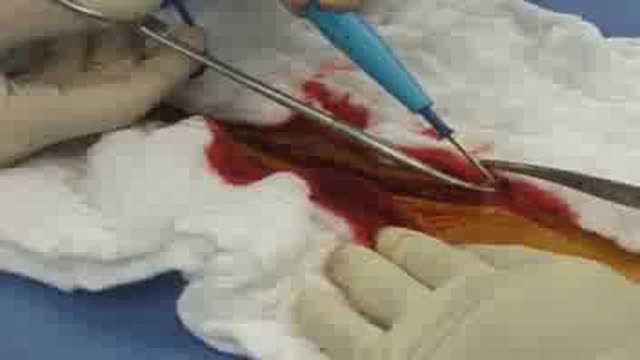
What it is
A laparotomy is an operation through a larger cut in the abdomen (often vertical, in the midline) that allows the surgeon direct access to the abdominal organs. It may be planned (for major surgery) or emergency (exploratory laparotomy, when the diagnosis must be found and treated at once).
Why it is done
Reasons include major bowel, stomach, liver or pelvic surgery, severe abdominal emergencies such as perforation, obstruction or internal bleeding, and situations where keyhole surgery is not safe or has not resolved the problem.
How to prepare
For planned surgery there is full pre-assessment, blood tests, scans and sometimes bowel preparation and stoma-site marking. In emergencies, preparation is compressed: rapid assessment, fluids, antibiotics and blood availability. You fast where time allows.
What happens during the procedure
Under general anaesthetic the abdomen is opened, the problem is addressed (which varies from removing diseased bowel to repairing a perforation or controlling bleeding), the cavity is washed if contaminated, and the wall is closed in layers, sometimes with support stitches or a temporary dressing in damage-control situations.
Afterwards — recovery & results
Recovery is longer than after keyhole surgery — often five to ten days in hospital — with early mobilisation, breathing exercises and graded eating. Full recovery takes six to twelve weeks, with lifting restrictions while the abdominal wall heals.
Risks & considerations
Risks include wound infection or breakdown, hernia through the scar later, chest infection, blood clots, bleeding, injury to organs and the risks related to the underlying emergency or disease. Your team will discuss the specific expectations for your operation.
Watch: Open abdominal surgery (laparotomy) videos
Real procedure videos from the MedicalVideos.com library. Some clinical footage is graphic — that is the nature of a medical video library.
Related guides on MedicalVideos.com
Frequently asked questions
Why not always use keyhole surgery?
Some operations need the access and control of an open approach, and in unstable emergencies open surgery is faster and safer. The choice is about safety and completeness, not technology for its own sake.
Will the scar be permanent?
Yes, a midline scar remains but usually fades over 6 to 12 months. Good wound care and avoiding strain early on help it heal strongly.
Related procedures — General & Abdominal Surgery
Browse the O section of the A–Z list or return to the Procedures & Tests hub.