
- Physical Examination
- Surgical Examination
- Ophthalmology
- Clinical Skills
- Orthopedics
- Surgery Videos
- Laparoscopy
- Pediatrics
- Funny Videos
- Cardiothoracic Surgery
- Nursing Videos
- Plastic Surgery
- Otorhinolaryngology
- Histology and Histopathology
- Neurosurgery
- Dermatology
- Pediatric Surgery
- Urology
- Dentistry
- Oncology and Cancers
- Anatomy Videos
- Health and Fitness
- Radiology
- Anaesthesia
- Physical Therapy
- Pharmacology
- Interventional Radiology
- Cardiology
- Endocrinology
- Gynecology
- Emergency Medicine
- Psychiatry and Psychology
- Childbirth Videos
- General Medical Videos
- Nephrology
- Physiology
- Diet and Food Health
- Diabetes Mellitus
- Neurology
- Women Health
- Osteoporosis
- Gastroenterology
- Pulmonology
- Hematology
- Rheumatology
- Toxicology
- Nuclear Medicine
- Infectious Diseases
- Vascular Disease
- Reproductive Health
- Burns and Wound Healing
- Kidney Zone Podcast
- Other
PET scan
Category: Imaging & Scans · All imaging & scans
What it is
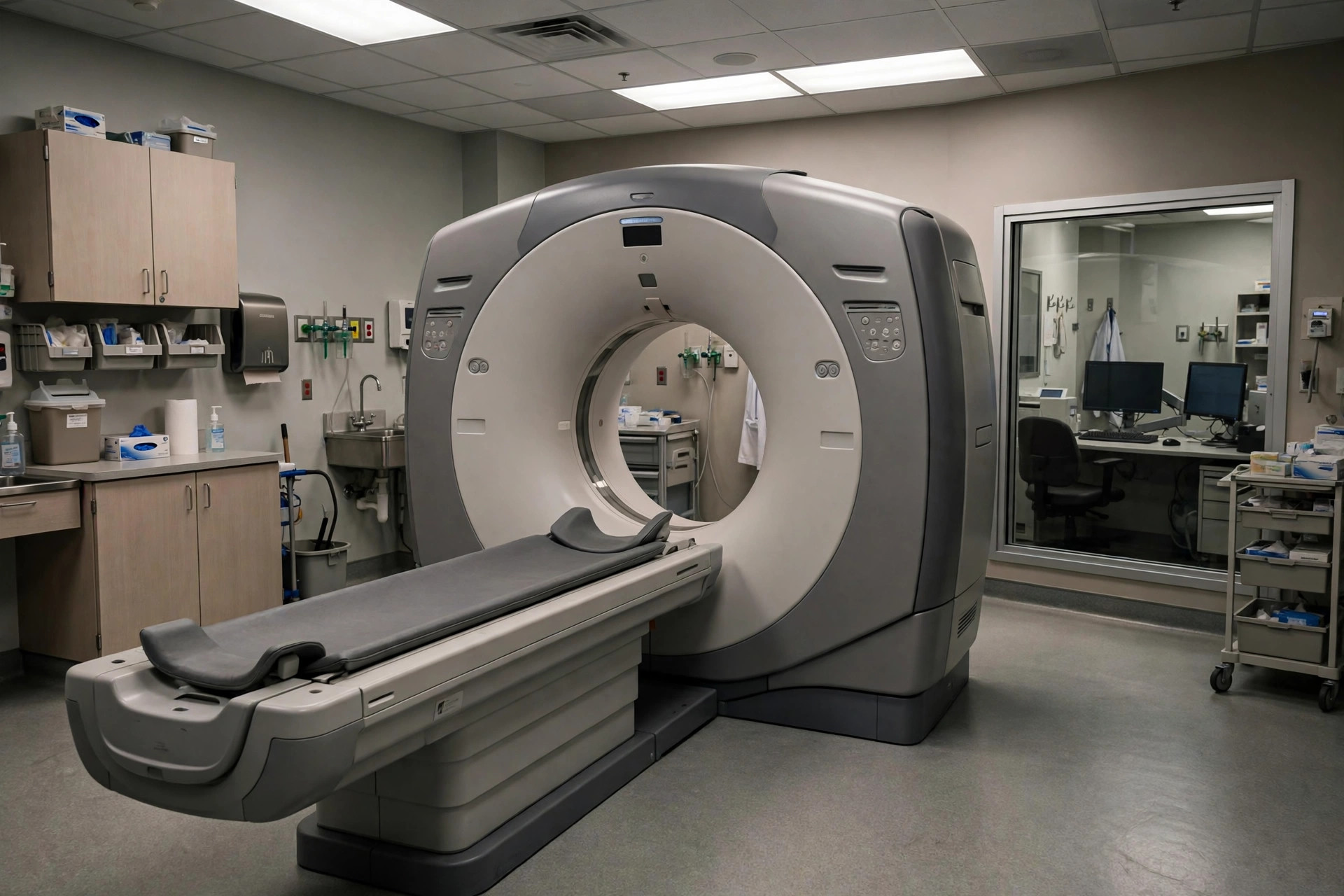
A PET (positron emission tomography) scan uses a small amount of a radioactive tracer, usually a form of sugar, to show how active tissues are. It is usually combined with a CT scan in the same machine (PET-CT).
Why it is done
It is most often used in cancer care — to stage a cancer, check how treatment is working, or look for recurrence — and occasionally for heart and brain conditions.
How to prepare
You will usually fast for several hours beforehand and may be asked to avoid strenuous exercise the day before. Tell the team if you have diabetes, because blood sugar affects the tracer, and if you might be pregnant. After the injection you rest quietly for about an hour while the tracer spreads.
What happens during the procedure
The tracer is injected into a vein, you rest in a quiet room, then lie on the scanner table which moves slowly through the ring while pictures are taken. The scan itself usually takes 20 to 40 minutes and is painless.
Afterwards — recovery & results
You can usually go home afterwards. The small amount of radioactivity fades over a few hours; you may be advised to avoid prolonged close contact with babies and pregnant people for the rest of the day. Results go to your specialist team.
Risks & considerations
The radiation dose is higher than a simple X-ray because it combines the tracer and the CT. The team weighs this against the value of the information. Allergic reactions to the tracer are very uncommon.
Related guides on MedicalVideos.com
Frequently asked questions
Why do I have to rest quietly after the injection?
Muscles that work hard take up more of the sugar tracer and can confuse the pictures. Resting keeps the tracer pattern true to the tissues being examined.
Will I be radioactive afterwards?
Slightly, for a few hours. The tracer decays quickly and is also passed out in urine; drinking water helps. Staff will give you simple precautions for the day.
Related procedures — Imaging & Scans
Browse the P section of the A–Z list or return to the Procedures & Tests hub.