
- Physical Examination
- Surgical Examination
- Ophthalmology
- Clinical Skills
- Orthopedics
- Surgery Videos
- Laparoscopy
- Pediatrics
- Funny Videos
- Cardiothoracic Surgery
- Nursing Videos
- Plastic Surgery
- Otorhinolaryngology
- Histology and Histopathology
- Neurosurgery
- Dermatology
- Pediatric Surgery
- Urology
- Dentistry
- Oncology and Cancers
- Anatomy Videos
- Health and Fitness
- Radiology
- Anaesthesia
- Physical Therapy
- Pharmacology
- Interventional Radiology
- Cardiology
- Endocrinology
- Gynecology
- Emergency Medicine
- Psychiatry and Psychology
- Childbirth Videos
- General Medical Videos
- Nephrology
- Physiology
- Diet and Food Health
- Diabetes Mellitus
- Neurology
- Women Health
- Osteoporosis
- Gastroenterology
- Pulmonology
- Hematology
- Rheumatology
- Toxicology
- Nuclear Medicine
- Infectious Diseases
- Vascular Disease
- Reproductive Health
- Burns and Wound Healing
- Kidney Zone Podcast
- Other
X-ray (general)
Category: Imaging & Scans · All imaging & scans
What it is
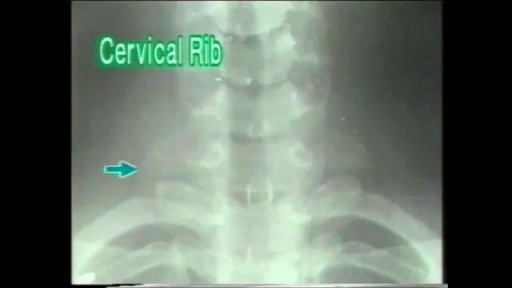
An X-ray is a picture of the inside of the body made with a small, focused amount of radiation. Bones show up white and are seen very clearly, which makes X-rays the usual first test for suspected broken bones and joint problems.
Why it is done
X-rays are commonly used to check for fractures, dislocations, arthritis changes, chest problems and some abdominal problems, and to check the position of lines and tubes in hospital patients.
How to prepare
There is usually nothing to prepare. You may be asked to remove jewellery, watches or clothing with metal fasteners from the area being examined, and to wear a gown.
What happens during the procedure
The radiographer positions the body part on or against a flat detector and takes one or more pictures from different angles. You need to keep still for a few seconds for each picture. The appointment usually lasts 10 to 20 minutes.
Afterwards — recovery & results
You can return to normal activities straight away. The images are reported by a radiologist and the result goes to your doctor.
Risks & considerations
The radiation dose from a single X-ray is low. Tell the team if you might be pregnant. The main limitation is that X-rays show soft tissues in less detail, so a scan may be advised if more information is needed.
Watch: X-ray (general) videos
Real procedure videos from the MedicalVideos.com library. Some clinical footage is graphic — that is the nature of a medical video library.
Related guides on MedicalVideos.com
Frequently asked questions
Why might I need more than one X-ray picture?
Different angles show different structures. Two or more views help the radiologist judge the shape, alignment and position of bones and joints accurately.
Is the radiation from an X-ray dangerous?
A single X-ray uses a low dose and the benefit of finding the problem usually far outweighs the small risk. The team keeps doses as low as reasonably possible.
Related procedures — Imaging & Scans
Browse the X section of the A–Z list or return to the Procedures & Tests hub.