
- Physical Examination
- Surgical Examination
- Ophthalmology
- Clinical Skills
- Orthopedics
- Surgery Videos
- Laparoscopy
- Pediatrics
- Funny Videos
- Cardiothoracic Surgery
- Nursing Videos
- Plastic Surgery
- Otorhinolaryngology
- Histology and Histopathology
- Neurosurgery
- Dermatology
- Pediatric Surgery
- Urology
- Dentistry
- Oncology and Cancers
- Anatomy Videos
- Health and Fitness
- Radiology
- Anaesthesia
- Physical Therapy
- Pharmacology
- Interventional Radiology
- Cardiology
- Endocrinology
- Gynecology
- Emergency Medicine
- Psychiatry and Psychology
- Childbirth Videos
- General Medical Videos
- Nephrology
- Physiology
- Diet and Food Health
- Diabetes Mellitus
- Neurology
- Women Health
- Osteoporosis
- Gastroenterology
- Pulmonology
- Hematology
- Rheumatology
- Toxicology
- Nuclear Medicine
- Infectious Diseases
- Vascular Disease
- Reproductive Health
- Burns and Wound Healing
- Kidney Zone Podcast
- Other
Chlamydia & Gonorrhea Screening
Chlamydia and gonorrhea usually cause no symptoms, yet can damage fertility. The USPSTF recommends screening sexually active women aged 24 and under, and older women at increased risk (grade B) — including during pregnancy.
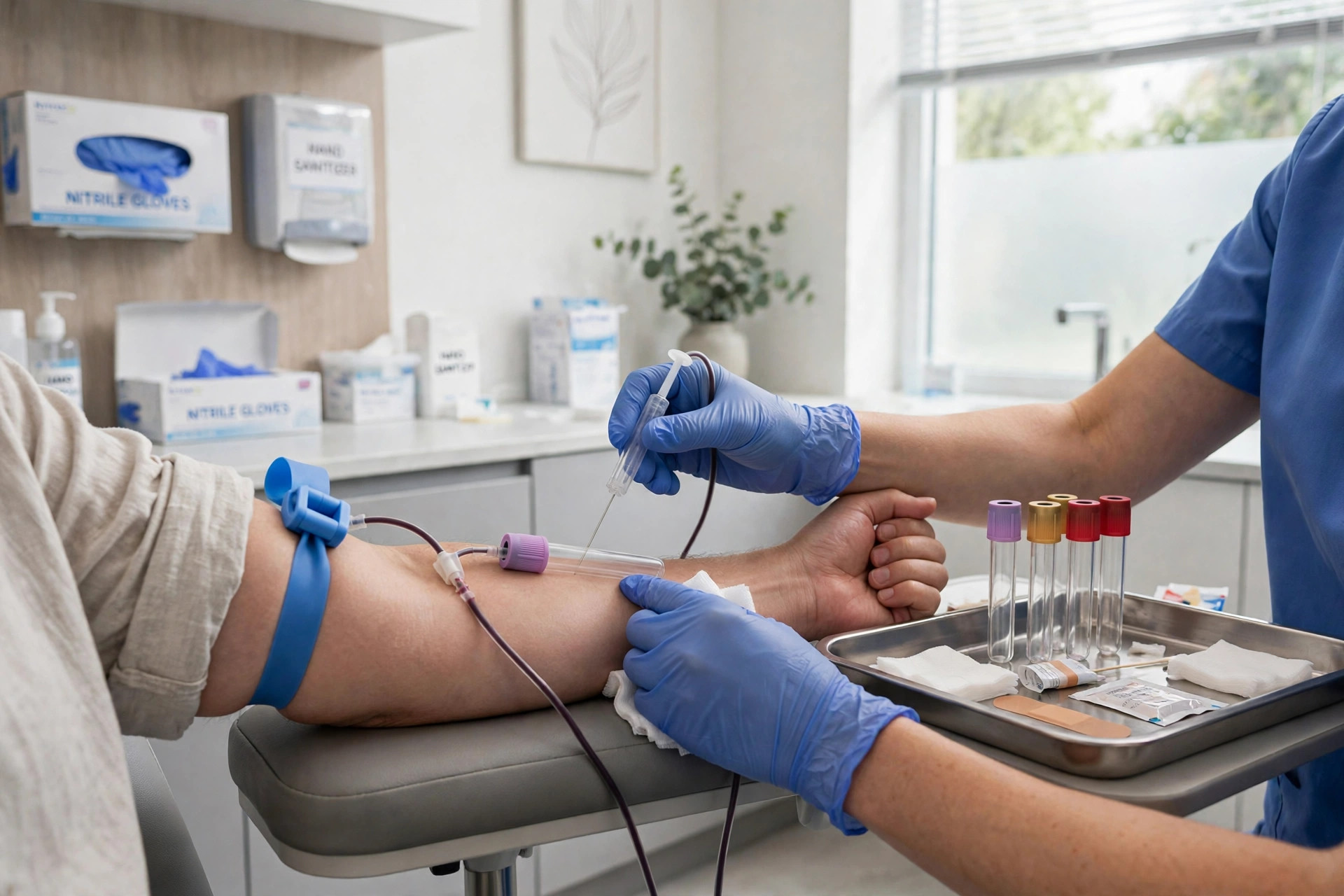
Chlamydia and gonorrhea are the two most common bacterial sexually transmitted infections. Most infections cause no symptoms at all — yet untreated, they can lead to pelvic inflammatory disease, infertility and ectopic pregnancy, and can be passed to partners and, in pregnancy, to the baby.
The USPSTF recommends screening for both infections in sexually active women aged 24 and younger, and in women aged 25 and older who are at increased risk (grade B for each) — including pregnant persons in the same groups. The test is simple: usually just a urine sample or a self-taken swab.
What this screening checks
- A laboratory test (called a NAAT) that detects the genetic material of the chlamydia and gonorrhea bacteria — the same sample is usually tested for both.
- Samples can come from the vagina or cervix, urine, and — where relevant to sexual practices — the throat or rectum.
Who should have it, and how often
Sexually active women aged 24 and younger — screening is recommended even without symptoms and without specific risk factors.
Women aged 25 and older at increased risk: a new or multiple partners, a partner with an STI, inconsistent condom use, a previous STI, or exchanging sex for money or drugs.
Pregnant persons in the same age and risk groups, because infection in pregnancy can affect the baby.
The USPSTF recommendation is written for women; men who are at increased risk should discuss testing with their clinician or a sexual health service, where testing is widely available.
What happens during the test
- You provide a urine sample, or take a vaginal swab yourself in private — self-taken swabs are standard and just as accurate.
- The sample goes to the laboratory for NAAT testing; results typically take a few days.
- If a test is positive, treatment is arranged and you will be offered help notifying partners, plus tests for other infections such as HIV and syphilis.
How to prepare
- For a urine test, you may be asked not to urinate for a short period before the appointment, and to collect the first part of the stream — follow the instructions given.
- You can usually test at any time, including during your period, with a self-taken swab.
- Be ready to say which types of sex you have had, so the right sites are sampled — throat and rectal infections are missed by urine tests alone.
What the results mean
A negative result needs no action until your risk changes. A positive result means treatment with antibiotics, no sex until treatment is complete and partners are treated, and usually a repeat test later to check for reinfection — reinfection is common and is not a sign the treatment failed.
Partners from the recent period need testing and treatment too; sexual health services can notify them anonymously if you prefer.
Benefits
- Prevents pelvic inflammatory disease and protects future fertility by treating silent infections.
- Reduces onward transmission to partners, and protects newborns when screening happens in pregnancy.
- The test is painless — often a self-taken swab or urine sample, no examination needed.
Limits and possible harms
- A positive result can cause distress and difficult conversations with partners; services are set up to support both.
- False positives are rare with NAAT testing but possible; unexpected results can be rechecked.
- Testing one site can miss infection at another — sampling must match your sexual practices.
Useful links and tools
More in Infections & Sexual Health
Frequently asked questions
I have no symptoms. Why would I need a chlamydia test?
Because most chlamydia and gonorrhea infections cause no symptoms, yet can still damage the fallopian tubes and be passed on. That is the entire logic of the USPSTF recommendation: sexually active women aged 24 and younger, and older women at increased risk, should be screened even when they feel completely well (grade B).
How is the test done? Will I need an examination?
Usually not. Most testing is done on a urine sample or a vaginal swab you take yourself in private — no speculum examination is needed for routine screening. If you have had oral or anal sex, throat or rectal swabs may be added, because a urine test cannot detect infections at those sites.
This guide explains how a screening test usually works and who it is generally offered to. It is general educational information only — not medical advice, and not a recommendation for you personally. Screening decisions depend on your age, history and risk, so talk to your own clinician about which tests you need and when. If you have symptoms now, do not wait for a screening test — seek medical care promptly.