
- Physical Examination
- Surgical Examination
- Ophthalmology
- Clinical Skills
- Orthopedics
- Surgery Videos
- Laparoscopy
- Pediatrics
- Funny Videos
- Cardiothoracic Surgery
- Nursing Videos
- Plastic Surgery
- Otorhinolaryngology
- Histology and Histopathology
- Neurosurgery
- Dermatology
- Pediatric Surgery
- Urology
- Dentistry
- Oncology and Cancers
- Anatomy Videos
- Health and Fitness
- Radiology
- Anaesthesia
- Physical Therapy
- Pharmacology
- Interventional Radiology
- Cardiology
- Endocrinology
- Gynecology
- Emergency Medicine
- Psychiatry and Psychology
- Childbirth Videos
- General Medical Videos
- Nephrology
- Physiology
- Diet and Food Health
- Diabetes Mellitus
- Neurology
- Women Health
- Osteoporosis
- Gastroenterology
- Pulmonology
- Hematology
- Rheumatology
- Toxicology
- Nuclear Medicine
- Infectious Diseases
- Vascular Disease
- Reproductive Health
- Burns and Wound Healing
- Kidney Zone Podcast
- Other
Hepatitis C Screening
Hepatitis C is curable, but most people who have it do not know. The USPSTF recommends screening all adults aged 18 to 79 (grade B) — most need it only once.
Hepatitis C is a blood-borne virus that slowly damages the liver. For decades it often caused no symptoms, which is why so many people carry it unknowingly. The story has changed: modern antiviral treatment cures the great majority of infections, which makes finding them the crucial step.
The USPSTF recommends screening for hepatitis C in all adults aged 18 to 79 (grade B) — a widening of older, risk-based testing, because risk-based testing alone missed too many infections. Younger and older people at high risk should also be screened.
What this screening checks
- A blood antibody test, which shows whether you have ever been infected.
- If antibodies are found, a second test on the same sample checks for the virus itself (RNA), which shows whether the infection is still present — some people clear the virus naturally.
Who should have it, and how often
All adults aged 18 to 79, at least once — even with no known risk factors.
People younger than 18 or older than 79 who are at high risk, including anyone who has ever injected drugs, even once, long ago.
People with ongoing risk — current injecting drug use, or other blood exposures — should be tested periodically rather than once.
What happens during the test
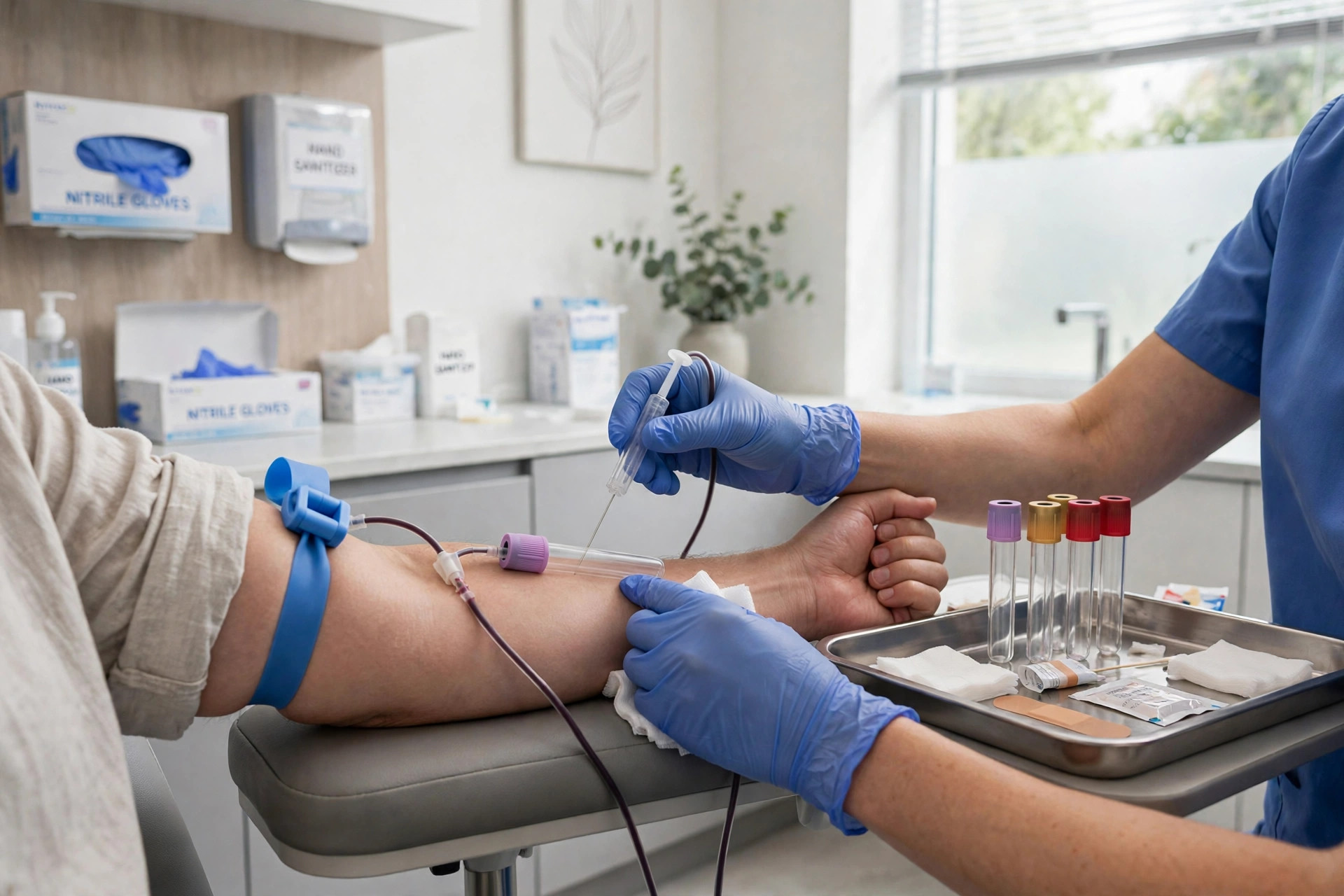
- A blood sample is taken from a vein in the arm.
- The laboratory first tests for hepatitis C antibodies; if positive, it automatically checks the same sample for viral RNA where services are set up that way.
- If current infection is confirmed, you are referred for liver assessment and curative treatment.
How to prepare
- No fasting or preparation is needed.
- Be ready to mention past injecting drug use or other blood exposures, even from decades ago — clinicians ask because it changes how often you should test, not to judge.
- If you have been tested before and treated, tell the team: antibodies stay positive for life after infection, so your follow-up testing is the RNA test.
What the results mean
Antibody negative: no evidence of infection. Antibody positive but RNA negative: you were infected in the past and cleared it, or were treated successfully — you do not currently have hepatitis C.
RNA positive means current infection. The next steps are liver health checks and antiviral treatment, which cures most people with a course of tablets.
Benefits
- Finds a curable infection before it causes cirrhosis or liver cancer.
- Universal adult screening catches the many infections that risk-based questions missed.
- Curing the infection also stops onward transmission.
Limits and possible harms
- An antibody-positive result can alarm people whose infection cleared long ago; the RNA test resolves it.
- False positives are uncommon and are sorted out by the confirmatory RNA step.
- Some people feel stigma around a blood-borne infection; testing is routine, confidential and offered to everyone in the age range.
Watch: related videos
Useful links and tools
More in Infections & Sexual Health
Frequently asked questions
Why is everyone aged 18 to 79 offered this test now?
Because risk-based screening missed too many infections: many people did not know, remember or disclose a past exposure. The USPSTF widened its recommendation in 2020 to all adults aged 18 to 79 (grade B). Most people need the test only once; periodic testing is for people whose risk continues.
My antibody test is positive but the virus test is negative. What does that mean?
It means you were infected at some point but do not have the virus now — either your immune system cleared it, or past treatment cured it. Antibodies remain as a footprint of the old infection. You do not need treatment, but if your risk continues you should have periodic RNA testing, since antibodies cannot show a new infection.
This guide explains how a screening test usually works and who it is generally offered to. It is general educational information only — not medical advice, and not a recommendation for you personally. Screening decisions depend on your age, history and risk, so talk to your own clinician about which tests you need and when. If you have symptoms now, do not wait for a screening test — seek medical care promptly.