
- Physical Examination
- Surgical Examination
- Ophthalmology
- Clinical Skills
- Orthopedics
- Surgery Videos
- Laparoscopy
- Pediatrics
- Funny Videos
- Cardiothoracic Surgery
- Nursing Videos
- Plastic Surgery
- Otorhinolaryngology
- Histology and Histopathology
- Neurosurgery
- Dermatology
- Pediatric Surgery
- Urology
- Dentistry
- Oncology and Cancers
- Anatomy Videos
- Health and Fitness
- Radiology
- Anaesthesia
- Physical Therapy
- Pharmacology
- Interventional Radiology
- Cardiology
- Endocrinology
- Gynecology
- Emergency Medicine
- Psychiatry and Psychology
- Childbirth Videos
- General Medical Videos
- Nephrology
- Physiology
- Diet and Food Health
- Diabetes Mellitus
- Neurology
- Women Health
- Osteoporosis
- Gastroenterology
- Pulmonology
- Hematology
- Rheumatology
- Toxicology
- Nuclear Medicine
- Infectious Diseases
- Vascular Disease
- Reproductive Health
- Burns and Wound Healing
- Kidney Zone Podcast
- Other
Latent Tuberculosis (TB) Screening
Latent TB sleeps in the body without symptoms but can wake up years later. The USPSTF recommends screening asymptomatic adults at increased risk (grade B), because treating latent infection prevents active disease.
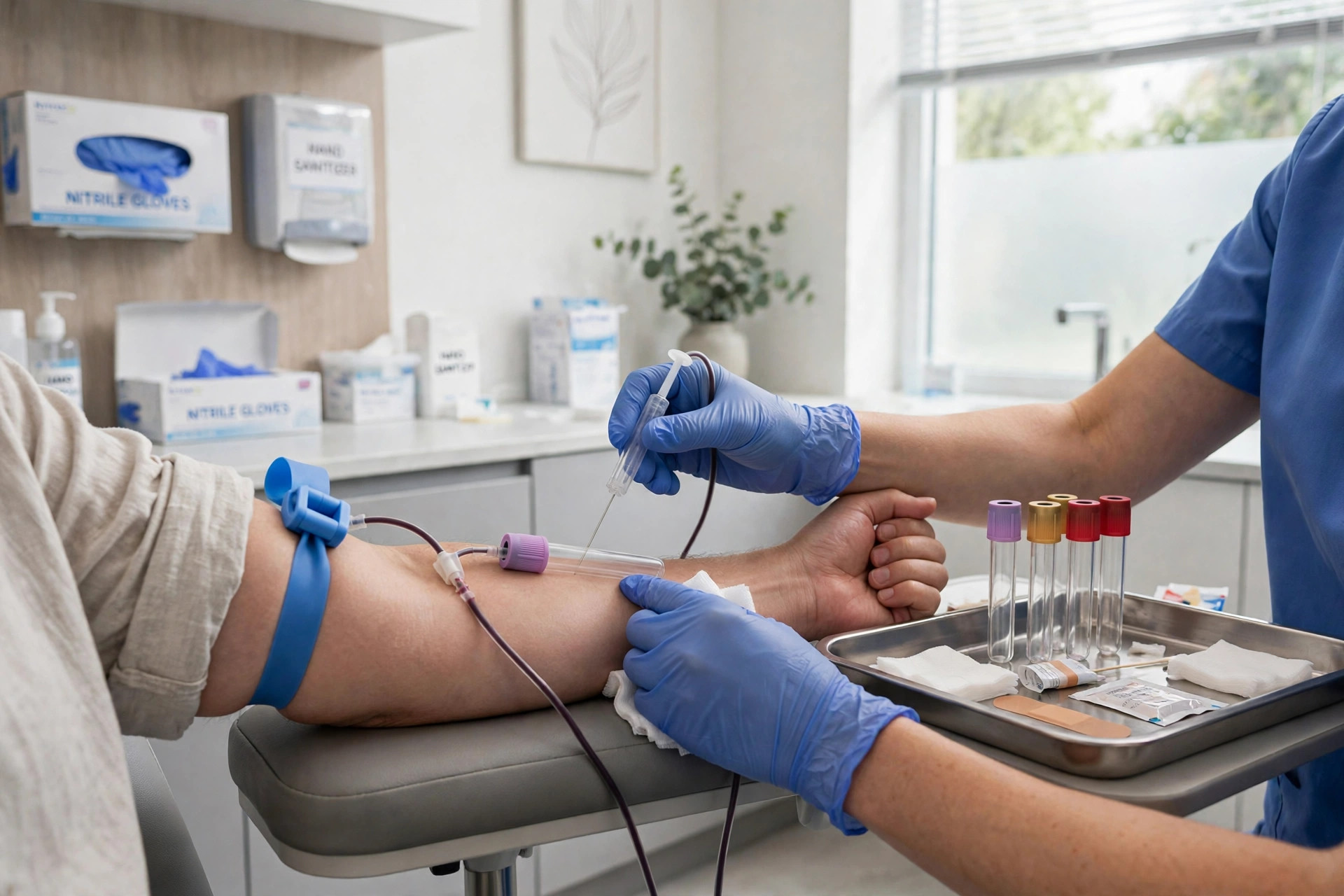
Tuberculosis spreads through the air, and after infection the bacteria often go dormant — latent TB infection. People with latent TB feel entirely well and cannot pass it on, but the infection can reactivate years later as active, contagious, potentially serious TB disease. Treating the latent infection prevents that.
The USPSTF recommends screening for latent TB infection in asymptomatic adults at increased risk (grade B). Screening everyone is not recommended — the yield is in people whose backgrounds make prior exposure likely.
What this screening checks
- Either a blood test (an interferon-gamma release assay, IGRA) or the tuberculin skin test (TST), in which a small amount of test fluid is placed under the skin of the forearm and read a few days later.
- A positive result means infection at some point — it does not by itself show whether the infection is latent or active. A chest X-ray and symptom review separate the two.
Who should have it, and how often
Adults born in, or who have lived in, countries where TB is common — the largest increased-risk group.
People who have lived in congregate settings where TB spreads more easily, such as homeless shelters or correctional facilities, and close contacts of someone with active TB.
People about to start medicines that suppress the immune system are usually tested as part of that work-up, whatever their background.
This recommendation is for people without symptoms. A cough lasting more than a few weeks, fever, night sweats or weight loss need a diagnostic TB work-up, not screening.
What happens during the test
- Blood test route: a single blood sample is sent to the laboratory; no return visit is needed for the result.
- Skin test route: a small bleb of fluid is injected just under the skin of your forearm, and you return after 2 to 3 days for a clinician to measure any raised reaction.
- If either test is positive, you will have a chest X-ray and be asked about symptoms to check for active TB before any treatment for latent infection is offered.
How to prepare
- For the skin test, be sure you can return for the reading appointment — an unread test has to be repeated.
- Tell the clinician if you have had the BCG vaccine: it can affect the skin test (one reason the blood test is often preferred after BCG), but it does not affect the blood test in the same way.
- Bring any records of previous TB tests or treatment — a past positive should not simply be re-tested.
What the results mean
A negative result in a person at risk is reassuring; repeat testing is only needed if exposure continues or happens again.
A positive result with a normal chest X-ray and no symptoms means latent infection. Your clinician will discuss preventive treatment — a course of antibiotics that substantially lowers the chance of ever developing active TB — weighing it against your personal risk of reactivation and of drug side effects.
Benefits
- Treating latent infection prevents active TB — protecting your lungs and everyone you live with.
- The blood test needs one visit and is not affected by past BCG vaccination.
- Targeted screening concentrates on the people most likely to benefit.
Limits and possible harms
- False positives can lead to chest X-rays and months of preventive medicine that were not needed; the medicines themselves can affect the liver, so monitoring is part of treatment.
- The skin test's return-visit requirement means results are lost when people cannot come back.
- A positive result can carry stigma; latent TB is not contagious and is very common worldwide.
Useful links and tools
More in Infections & Sexual Health
Frequently asked questions
What is the difference between latent and active TB?
In latent TB infection the bacteria are alive but dormant: you feel well, your chest X-ray is usually normal, and you cannot spread TB to anyone. In active TB disease the bacteria are multiplying — usually causing cough, fever, night sweats and weight loss — and the infection can spread through the air. Screening finds the latent stage, when treatment can stop it ever becoming active.
Which test is better — the blood test or the skin test?
Both are accepted for screening. The blood test (IGRA) needs a single visit and is preferred if you have had the BCG vaccine, because BCG can cause false-positive skin tests. The skin test (TST) is cheaper but needs a return visit after 2 to 3 days to be read. Your service will usually have a standard choice.
This guide explains how a screening test usually works and who it is generally offered to. It is general educational information only — not medical advice, and not a recommendation for you personally. Screening decisions depend on your age, history and risk, so talk to your own clinician about which tests you need and when. If you have symptoms now, do not wait for a screening test — seek medical care promptly.