
- Physical Examination
- Surgical Examination
- Ophthalmology
- Clinical Skills
- Orthopedics
- Surgery Videos
- Laparoscopy
- Pediatrics
- Funny Videos
- Cardiothoracic Surgery
- Nursing Videos
- Plastic Surgery
- Otorhinolaryngology
- Histology and Histopathology
- Neurosurgery
- Dermatology
- Pediatric Surgery
- Urology
- Dentistry
- Oncology and Cancers
- Anatomy Videos
- Health and Fitness
- Radiology
- Anaesthesia
- Physical Therapy
- Pharmacology
- Interventional Radiology
- Cardiology
- Endocrinology
- Gynecology
- Emergency Medicine
- Psychiatry and Psychology
- Childbirth Videos
- General Medical Videos
- Nephrology
- Physiology
- Diet and Food Health
- Diabetes Mellitus
- Neurology
- Women Health
- Osteoporosis
- Gastroenterology
- Pulmonology
- Hematology
- Rheumatology
- Toxicology
- Nuclear Medicine
- Infectious Diseases
- Vascular Disease
- Reproductive Health
- Burns and Wound Healing
- Kidney Zone Podcast
- Other
STI Prevention Counseling
Brief, practical counseling reduces sexually transmitted infections. The USPSTF recommends behavioral counseling for sexually active adolescents and for adults at increased risk (grade B).
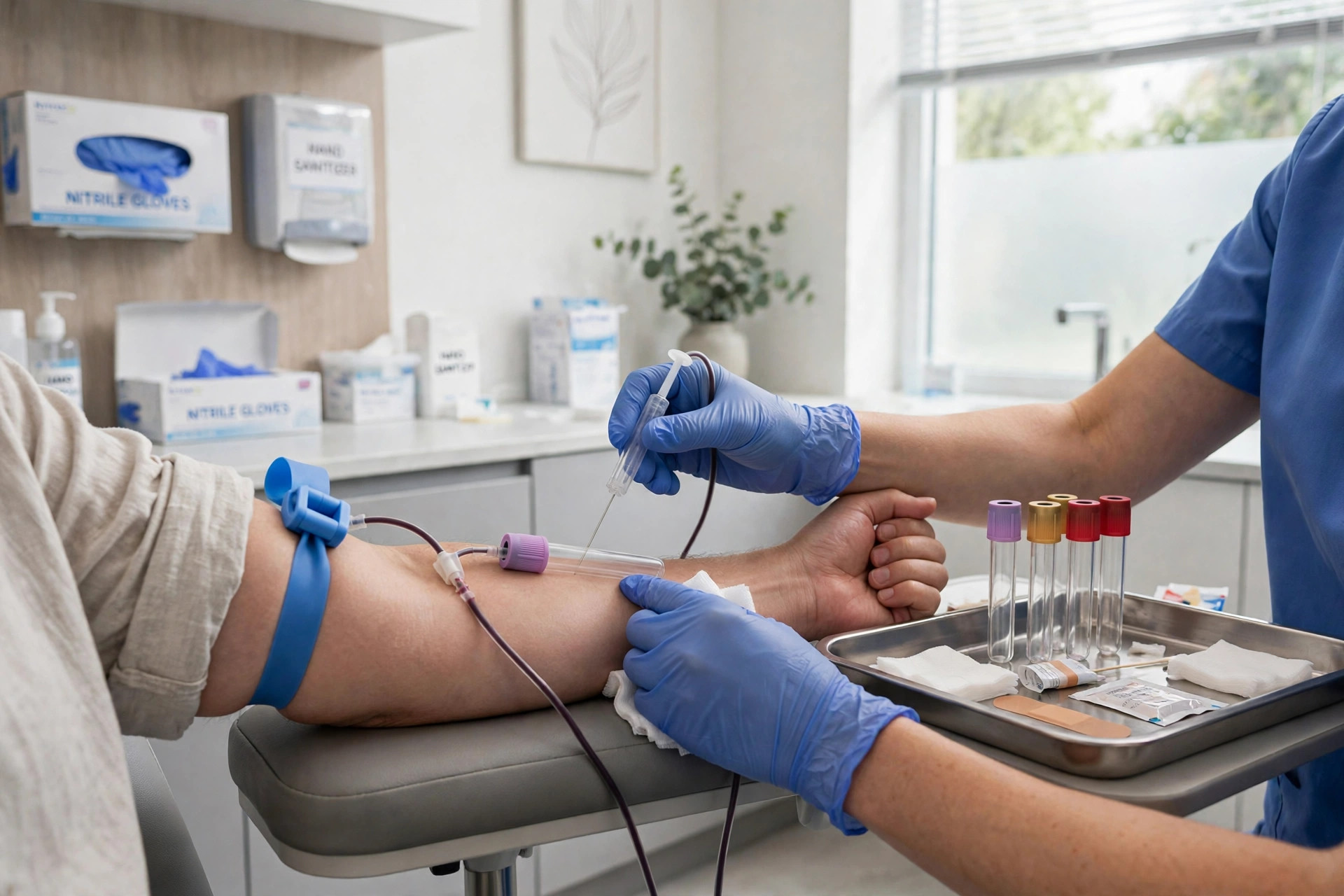
Not all prevention is a test. For sexually transmitted infections, the USPSTF recommends behavioral counseling — a structured conversation about safer sex — for sexually active adolescents and for adults at increased risk (grade B). The studies behind the recommendation show that good counseling measurably reduces new infections.
This is not a lecture and it is not about judgement. Effective counseling is practical: it works through your actual situations — partners, condoms, testing habits — and builds a plan you can really use.
What this screening checks
- There is no test in this service itself; the 'check' is a risk conversation: partners, protection, previous infections, and testing history.
- Counseling is usually combined with offers of testing for chlamydia, gonorrhea, syphilis and HIV, and with vaccination where relevant (such as HPV and hepatitis B).
Who should have it, and how often
All sexually active adolescents.
Adults at increased risk of STIs — for example those with a recent STI, a new or multiple partners, inconsistent condom use, or a partner with an STI.
Counseling is typically offered in primary care and sexual health services, in person or in groups, and sometimes supported by written or digital materials.
What happens during the test
- A clinician or counselor asks, privately and without judgement, about your sexual history and current practices.
- Together you identify the situations where risk actually arises for you, and agree concrete steps — condom use, testing intervals, partner conversations, vaccination.
- You leave with a plan and, where needed, appointments for testing or vaccination; the conversation can be revisited at future visits.
How to prepare
- Nothing to prepare — but the conversation works best when you are honest about partners and practices, which is safe to be: it is confidential and routine.
- If you have a specific worry — a broken condom, a partner's diagnosis, a symptom — say it at the start so it is dealt with first.
What the results mean
There is no result in the laboratory sense. The outcomes are a personal prevention plan, any tests taken, and vaccinations arranged.
If tests taken at the same visit are positive, treatment and partner notification support follow the pathways in the other guides in this section.
Benefits
- Proven to reduce new STI infections in the groups offered it — one of the few counseling services with that evidence.
- Combines naturally with testing and vaccination, so one visit covers prevention from several angles.
- Practical and personalised, rather than generic advice.
Limits and possible harms
- Talking about sexual history can feel uncomfortable; a skilled counselor keeps it matter-of-fact and confidential.
- Counseling takes appointment time, and its effect fades without reinforcement at later visits.
- It complements condoms, testing and vaccination — it does not replace them.
Useful links and tools
More in Infections & Sexual Health
Frequently asked questions
Who is STI counseling recommended for?
The USPSTF recommends behavioral counseling to prevent sexually transmitted infections for all sexually active adolescents and for adults at increased risk (grade B, 2020) — risk meaning things like a recent STI, new or multiple partners, or inconsistent condom use. It is usually delivered in primary care or sexual health settings.
What actually happens in a counseling session?
A private, non-judgemental conversation about your partners, protection and testing history, leading to a concrete personal plan — for example condom use, how often to test, and which vaccinations you are missing. Testing for infections such as chlamydia, HIV and syphilis is usually offered at the same visit.
This guide explains how a screening test usually works and who it is generally offered to. It is general educational information only — not medical advice, and not a recommendation for you personally. Screening decisions depend on your age, history and risk, so talk to your own clinician about which tests you need and when. If you have symptoms now, do not wait for a screening test — seek medical care promptly.