
- Physical Examination
- Surgical Examination
- Ophthalmology
- Clinical Skills
- Orthopedics
- Surgery Videos
- Laparoscopy
- Pediatrics
- Funny Videos
- Cardiothoracic Surgery
- Nursing Videos
- Plastic Surgery
- Otorhinolaryngology
- Histology and Histopathology
- Neurosurgery
- Dermatology
- Pediatric Surgery
- Urology
- Dentistry
- Oncology and Cancers
- Anatomy Videos
- Health and Fitness
- Radiology
- Anaesthesia
- Physical Therapy
- Pharmacology
- Interventional Radiology
- Cardiology
- Endocrinology
- Gynecology
- Emergency Medicine
- Psychiatry and Psychology
- Childbirth Videos
- General Medical Videos
- Nephrology
- Physiology
- Diet and Food Health
- Diabetes Mellitus
- Neurology
- Women Health
- Osteoporosis
- Gastroenterology
- Pulmonology
- Hematology
- Rheumatology
- Toxicology
- Nuclear Medicine
- Infectious Diseases
- Vascular Disease
- Reproductive Health
- Burns and Wound Healing
- Kidney Zone Podcast
- Other
Clinical Skills & Examination Videos & Guides
Clinical skills are the practical foundations of medicine — the physical examination, bedside assessment and everyday procedures that every clinician learns first. This page gathers MedicalVideos.com's clinical skills library in one place: the most-watched videos from the Physical Examination, Clinical Skills and Surgical Examination categories (638 videos as of November 2026), condition guides for the presentations students examine most, and links to the anatomy, vital signs and clinical signs sections.
✓ Medically reviewed by Dr. Mohamed Ibrahim, MD, PhD — physician-scientist · Last reviewed: November 2026
Top videos
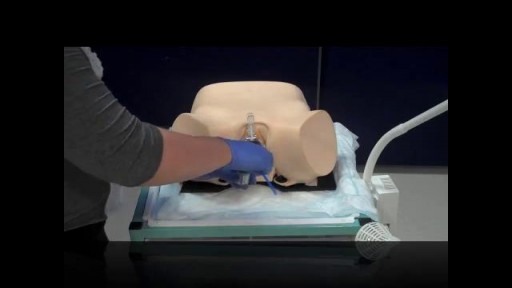 Pelvic Exam During Labor706,621 views
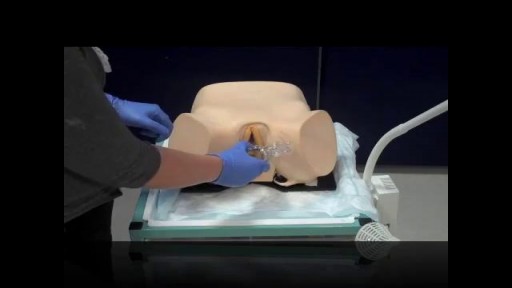 Bimanual pelvic exam of a female669,669 views
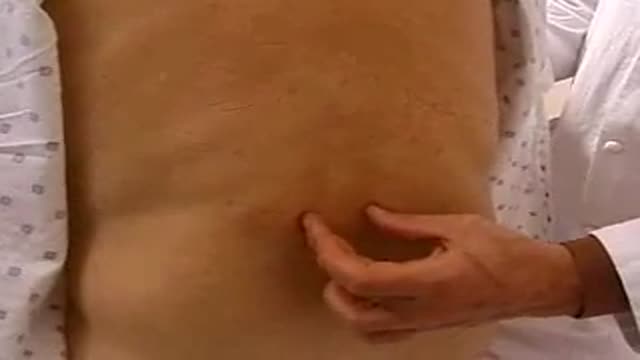 Male Urological Examination: What a Urology Exam Involves527,980 views
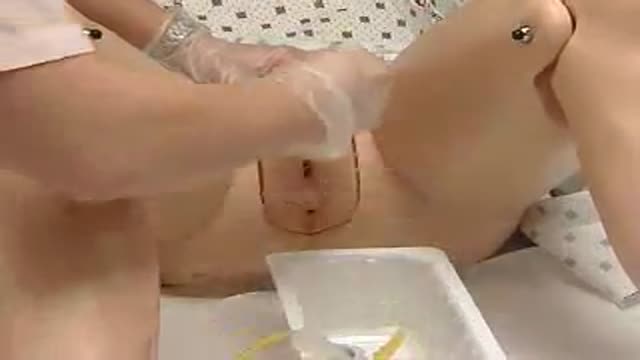 Foley Catheter Insertion in Men and Women: Step-by-Step Guide306,527 views
 Intramuscular (IM) Injection in the Gluteal Muscle: Correct Technique264,679 views
 The Bimanual Examination: A Core Pelvic Exam Skill189,349 views
About Clinical Skills & Examination
Clinical skills are learned by watching and then practising under supervision: how to position a patient, where to place the stethoscope, what a normal finding feels like before judging what is abnormal. The examination categories gathered here are the backbone of OSCEs and bedside teaching for medical and nursing students.
Use this page as a revision index: the most-watched examination videos first, then the anatomy atlas, vital signs and clinical signs sections for the findings behind each manoeuvre, and the terminology and abbreviations sections for the language of the ward round.
Clinical Skills & Examination in practice
A full physical examination follows a rhythm: inspection, palpation, percussion and auscultation, adapted to each system. Students are assessed not just on technique but on communication — introducing themselves, explaining each step, and keeping the patient comfortable and covered.
The skills in these categories build on each other. Vital signs and the cardiovascular and respiratory examinations come first; abdominal, neurological and specialist examinations follow; and procedural skills such as venepuncture, catheterisation and suturing complete the set that junior clinicians use daily.
Examination skills are learned in a loop: watch, practise on peers and simulated patients, get feedback, then use the skill on real patients under supervision. The videos here are organised so a learner can watch a full examination at natural speed first, then revisit individual steps. Patients who want to know what an examination involves before an appointment will find the same demonstrations reassuring.
Condition guides
Reference & hubs
Common questions
What are clinical skills?
Clinical skills are the practical techniques of examining and assessing patients: history taking, the physical examination of each body system, vital signs, and procedures such as catheterisation and suturing. They are a core part of training for doctors, nurses and other clinicians.
What can I watch and read about clinical skills on MedicalVideos.com?
You can watch the most-watched videos from the site's Physical Examination, Clinical Skills and Surgical Examination categories — 638 videos as of November 2026 — and use the anatomy atlas, vital signs, clinical signs and terminology sections linked from this page.
How should I use these videos to prepare for an OSCE or clinical exam?
Work system by system: watch the full examination once, note the sequence and the phrases used to explain each step, then practise the sequence aloud or with a partner before trying it in clinic. The videos here follow the sequences used in OSCE-style assessments.
More in Other
Sources
- Association of American Medical Colleges (AAMC)
- MedlinePlus — Physical examination (MedlinePlus)
This page is general education only and is not medical advice. It gathers videos and guides published on MedicalVideos.com for one specialty; it does not replace assessment or treatment by your own clinician. Video counts are the counts shown on the site's category pages in November 2026.