
- Physical Examination
- Surgical Examination
- Ophthalmology
- Clinical Skills
- Orthopedics
- Surgery Videos
- Laparoscopy
- Pediatrics
- Funny Videos
- Cardiothoracic Surgery
- Nursing Videos
- Plastic Surgery
- Otorhinolaryngology
- Histology and Histopathology
- Neurosurgery
- Dermatology
- Pediatric Surgery
- Urology
- Dentistry
- Oncology and Cancers
- Anatomy Videos
- Health and Fitness
- Radiology
- Anaesthesia
- Physical Therapy
- Pharmacology
- Interventional Radiology
- Cardiology
- Endocrinology
- Gynecology
- Emergency Medicine
- Psychiatry and Psychology
- Childbirth Videos
- General Medical Videos
- Nephrology
- Physiology
- Diet and Food Health
- Diabetes Mellitus
- Neurology
- Women Health
- Osteoporosis
- Gastroenterology
- Pulmonology
- Hematology
- Rheumatology
- Toxicology
- Nuclear Medicine
- Infectious Diseases
- Vascular Disease
- Reproductive Health
- Burns and Wound Healing
- Kidney Zone Podcast
- Other
Ophthalmology Videos & Guides
Ophthalmology is the specialty of the eye and vision — cataracts, glaucoma, retinal disease and eye surgery. This page gathers MedicalVideos.com's ophthalmology library in one place: the most-watched videos from the Ophthalmology category (203 videos as of November 2026), the condition guides that belong to this specialty, and links to procedure explainers and screening guides.
✓ Medically reviewed by Dr. Mohamed Ibrahim, MD, PhD — physician-scientist · Last reviewed: November 2026
Top videos
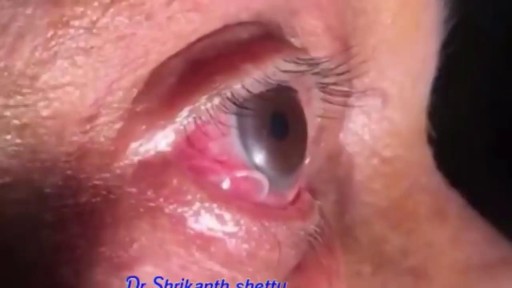 Parasitic Worm removed from Man's EYE76,842 views
 Bad Lasik Surgery65,151 views
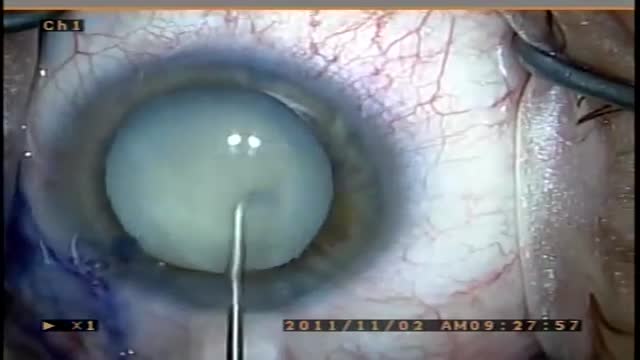 Great White Cataract Surgery Video56,466 views
 WORM LIKE CREATURE REMOVED FROM EYE49,327 views
 Pupil examination (abnormal pupil reaction)46,393 views
 Thyroid status examination42,159 views
About Ophthalmology
Ophthalmologists examine the eye with microscopes and imaging, prescribe glasses and medicines, and operate: cataract surgery is among the most common operations in the world, and laser and injection treatments have transformed care for retinal disease and glaucoma.
The videos here show eye examinations, cataract and LASIK surgery and retina procedures. The condition guides cover cataract, glaucoma and macular degeneration, and explain why diabetes care includes regular eye checks.
Ophthalmology works with neurology on visual pathway disease, with endocrinology on diabetic eye disease, and with rheumatology on inflammatory eye conditions. Much modern eye care is delivered by a team — optometrists, orthoptists, specialist nurses and technicians run many of the monitoring clinics, with ophthalmologists concentrating on diagnosis, lasers and surgery. Eye casualty services see urgent problems the same day.
Ophthalmology in practice
An eye assessment measures vision, eye pressure and movements, then examines the eye's structures with a slit lamp and, for the retina, drops that dilate the pupil. Scans such as OCT photograph the retina's layers in fine detail and have transformed how macular disease is monitored.
Treatment is often procedural: cataract surgery replaces the cloudy lens, injections treat wet macular degeneration and diabetic eye disease, and laser or drops control glaucoma. Because diabetes and hypertension show in the retina, ophthalmologists regularly detect general disease first.
Referral comes from opticians, usual doctors or emergency care, and many eye clinics run rapid-access services for sudden vision loss, flashes and floaters, and painful red eyes — symptoms that should never wait for a routine appointment. Children reach ophthalmology through school screening and orthoptic services. The condition guides here explain what common findings such as cataract and macular degeneration mean for vision over time.
Condition guides
Reference & hubs
Common questions
What does an ophthalmologist do?
An ophthalmologist is a doctor specialising in eye care: examining and treating eye diseases, prescribing glasses and contact lenses, and performing eye surgery such as cataract removal, laser treatment and retinal surgery. They also manage eye problems caused by general diseases such as diabetes.
What can I watch and read about ophthalmology on MedicalVideos.com?
You can watch the most-watched videos from the site's Ophthalmology category — 203 videos as of November 2026 — and read condition guides for cataract, glaucoma and macular degeneration, plus the diabetes guide for its eye complications.
Which eye symptoms need urgent care?
Sudden vision loss, a shadow or curtain over vision, flashes and new floaters, or a painful red eye with blurred vision all need same-day emergency eye assessment. Gradual blurring, glare from lights or trouble reading are reasons to book a routine eye examination.
More in Other
Sources
- American Academy of Ophthalmology (AAO)
- MedlinePlus — Eye diseases (MedlinePlus)
This page is general education only and is not medical advice. It gathers videos and guides published on MedicalVideos.com for one specialty; it does not replace assessment or treatment by your own clinician. Video counts are the counts shown on the site's category pages in November 2026.