
- Physical Examination
- Surgical Examination
- Ophthalmology
- Clinical Skills
- Orthopedics
- Surgery Videos
- Laparoscopy
- Pediatrics
- Funny Videos
- Cardiothoracic Surgery
- Nursing Videos
- Plastic Surgery
- Otorhinolaryngology
- Histology and Histopathology
- Neurosurgery
- Dermatology
- Pediatric Surgery
- Urology
- Dentistry
- Oncology and Cancers
- Anatomy Videos
- Health and Fitness
- Radiology
- Anaesthesia
- Physical Therapy
- Pharmacology
- Interventional Radiology
- Cardiology
- Endocrinology
- Gynecology
- Emergency Medicine
- Psychiatry and Psychology
- Childbirth Videos
- General Medical Videos
- Nephrology
- Physiology
- Diet and Food Health
- Diabetes Mellitus
- Neurology
- Women Health
- Osteoporosis
- Gastroenterology
- Pulmonology
- Hematology
- Rheumatology
- Toxicology
- Nuclear Medicine
- Infectious Diseases
- Vascular Disease
- Reproductive Health
- Burns and Wound Healing
- Kidney Zone Podcast
- Other
Otolaryngology (ENT) Videos & Guides
Otolaryngology — usually shortened to ENT — is the specialty of the ear, nose and throat, and of the head and neck. This page gathers MedicalVideos.com's ENT library in one place: the most-watched videos from the Otorhinolaryngology category (162 videos as of November 2026), the condition guides that belong to this specialty, and links to symptom and procedure resources.
✓ Medically reviewed by Dr. Mohamed Ibrahim, MD, PhD — physician-scientist · Last reviewed: November 2026
Top videos
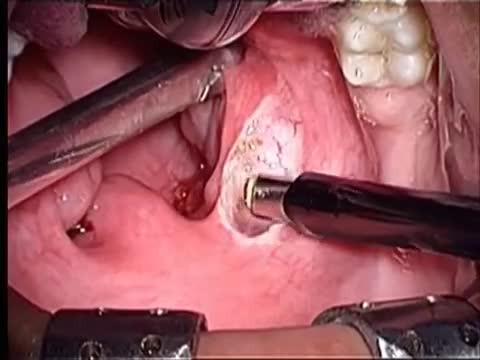 Adult tonsillectomy57,892 views
 Popping Cyst in the Ear Lobe52,573 views
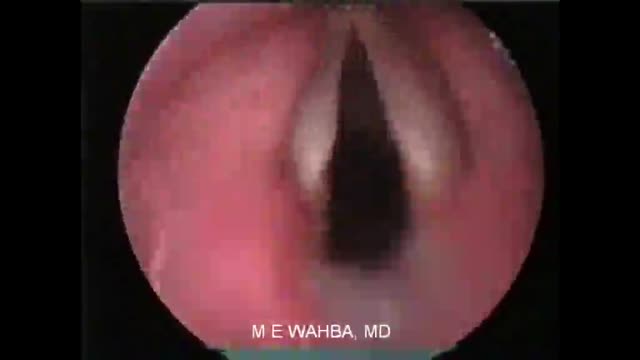 Vocal cords in Action48,057 views
 SALIVARY GLAND STONES REMOVAL34,069 views
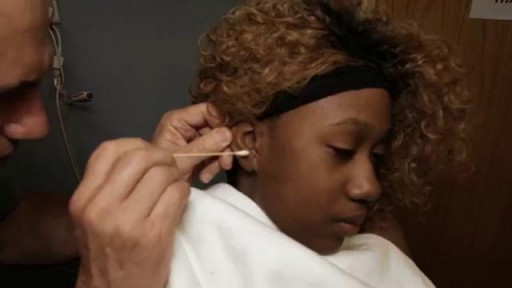 How to Remove Earwax ?31,392 views
 Worst Tonsil Stones &Tonsillectomy Surgery31,113 views
About Otolaryngology (ENT)
ENT specialists manage hearing loss and ear infections, sinus disease and nosebleeds, tonsil and adenoid problems, voice disorders, and head and neck tumours. Many of their procedures — tonsillectomy, sinus surgery, grommets — are among the most common operations performed, especially in children.
Below are the specialty's most-watched videos and its condition guides, including sleep apnea, which ENT specialists assess and treat alongside sleep physicians.
ENT overlaps with several neighbours: head and neck cancer is managed jointly with oncology and maxillofacial surgery, voice problems with speech and language therapy, and balance problems with neurology and physiotherapy. Paediatric ENT — tonsils, glue ear, airway problems — is a large subspecialty of its own. Allergy, which drives much sinus and rhinitis work, is shared with immunology services.
Otolaryngology (ENT) in practice
ENT assessment uses the specialty's own instruments: otoscopes for the ear canal and drum, endoscopes for the nose and voice box, and hearing tests that map exactly which pitches are lost. CT scans of the sinuses and neck imaging complete the picture when disease runs deep.
Treatment ranges from medicines and hearing aids to operations such as tonsillectomy, sinus surgery and grommet insertion. Voice therapy and balance rehabilitation sit within the specialty too, and the symptom guides here cover the presentations — dizziness, tinnitus, hoarseness — that bring patients to ENT clinics.
People reach ENT with hearing loss, persistent sinus symptoms, voice change, lumps in the neck or children's glue ear and tonsillitis. Sudden hearing loss, a hoarse voice lasting more than three weeks, and one-sided ear symptoms in adults should be seen promptly. Audiologists work inside the specialty, so hearing testing and hearing aids are arranged through the same clinics.
Condition guides
Reference & hubs
Common questions
What does an ENT specialist do?
An ENT specialist (otolaryngologist) diagnoses and treats conditions of the ear, nose and throat, and related structures of the head and neck: hearing loss, sinus disease, tonsil problems, voice disorders and head and neck tumours, using medicines and surgery.
What can I watch and read about ENT on MedicalVideos.com?
You can watch the most-watched videos from the site's Otorhinolaryngology category — 162 videos as of November 2026 — and read condition guides for sinusitis, allergic rhinitis, tinnitus and sleep apnea, all gathered on this page.
When should I see an ENT specialist?
People are usually referred for hearing loss, persistent sinus symptoms, recurrent tonsillitis, a lasting hoarse voice, or a lump in the neck. Sudden hearing loss in one ear is urgent and should be assessed the same day.
More in Other
Sources
This page is general education only and is not medical advice. It gathers videos and guides published on MedicalVideos.com for one specialty; it does not replace assessment or treatment by your own clinician. Video counts are the counts shown on the site's category pages in November 2026.