
- Physical Examination
- Surgical Examination
- Ophthalmology
- Clinical Skills
- Orthopedics
- Surgery Videos
- Laparoscopy
- Pediatrics
- Funny Videos
- Cardiothoracic Surgery
- Nursing Videos
- Plastic Surgery
- Otorhinolaryngology
- Histology and Histopathology
- Neurosurgery
- Dermatology
- Pediatric Surgery
- Urology
- Dentistry
- Oncology and Cancers
- Anatomy Videos
- Health and Fitness
- Radiology
- Anaesthesia
- Physical Therapy
- Pharmacology
- Interventional Radiology
- Cardiology
- Endocrinology
- Gynecology
- Emergency Medicine
- Psychiatry and Psychology
- Childbirth Videos
- General Medical Videos
- Nephrology
- Physiology
- Diet and Food Health
- Diabetes Mellitus
- Neurology
- Women Health
- Osteoporosis
- Gastroenterology
- Pulmonology
- Hematology
- Rheumatology
- Toxicology
- Nuclear Medicine
- Infectious Diseases
- Vascular Disease
- Reproductive Health
- Burns and Wound Healing
- Kidney Zone Podcast
- Other
Nephrology Videos & Guides
Nephrology is the specialty of the kidneys — chronic kidney disease, dialysis, transplantation and the fluid and electrolyte balance the kidneys maintain. This page gathers MedicalVideos.com's nephrology library in one place: the most-watched videos from the Nephrology category (142 videos as of November 2026), the condition guides that belong to this specialty, and links to the Kidney & Transplant hub, the Living Donor Hub and the kidney calculators.
✓ Medically reviewed by Dr. Mohamed Ibrahim, MD, PhD — physician-scientist · Last reviewed: November 2026
Top videos
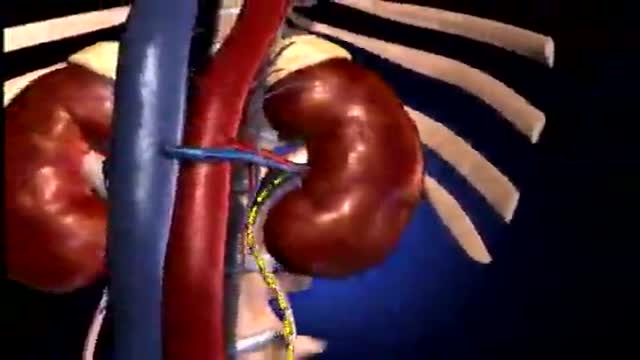 The Nephron Functional Unit of Kidney32,058 views
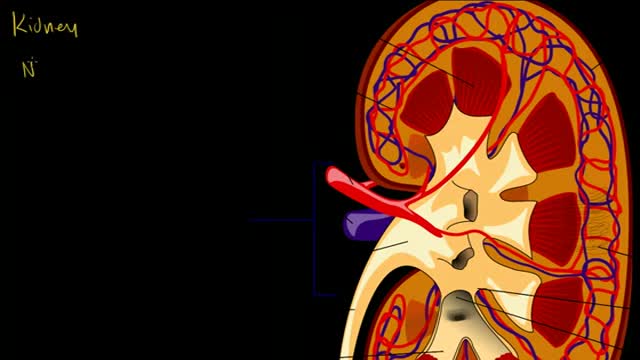 Kidney and Nephron26,178 views
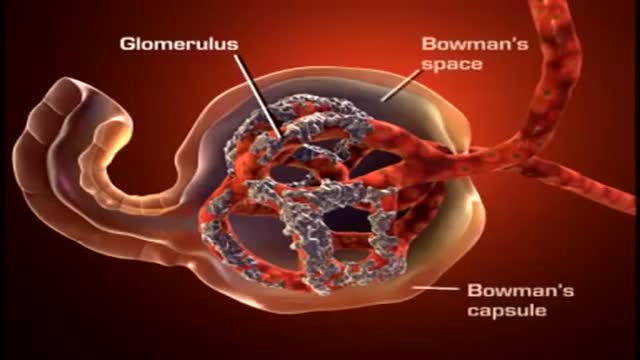 Nephron Anatomy25,618 views
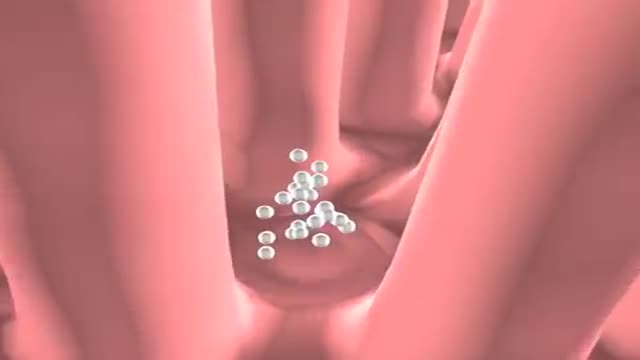 Kidney Anatomy and Function21,749 views
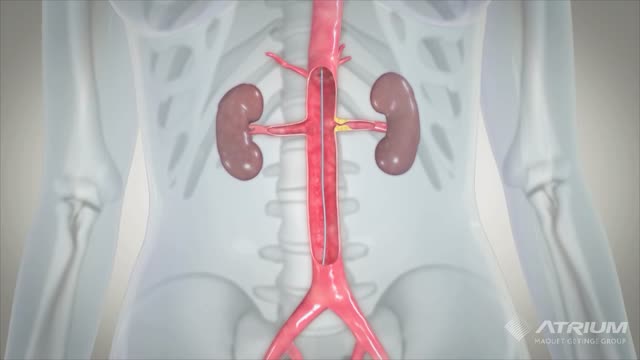 Renal Artery Stenting16,551 views
 Peritoneal Dialysis for Kidney Disease14,440 views
About Nephrology
Nephrologists manage kidney failure with dialysis and by preparing patients for transplantation, and they look after transplant recipients' medicines and long-term follow-up. They are also the specialists called for severe electrolyte and acid–base problems and for hypertension that is hard to control.
This page links straight into the site's flagship Kidney & Transplant hub and the Living Donor Hub, where every US kidney transplant center has its own page. The kidney calculators — eGFR, creatinine clearance, urine ACR and FeNa — are gathered below, with the Kidney Diet section for day-to-day eating guidance.
Nephrology in practice
Nephrology care is built on trends: the eGFR slope, urine protein, blood pressure and blood chemistry followed over months and years. Early chronic kidney disease is usually managed by controlling blood pressure and diabetes, protecting the kidneys with specific medicines, and avoiding drugs that can injure them.
When kidney failure approaches, the work turns to preparation: choosing between haemodialysis, peritoneal dialysis, transplantation or conservative care, creating dialysis access in good time, and completing transplant assessment. The Living Donor Hub explains donation and transplant from both sides.
Referral usually follows declining eGFR results, protein or blood in the urine, difficult blood pressure, or abnormal potassium. Nephrologists also advise every other hospital team, because kidney function changes how almost all medicines are dosed. If you are newly referred, the kidney guides here explain the blood and urine numbers your clinic will follow, and the calculators show how eGFR is estimated.
Condition guides
Reference & hubs
Calculators & tools
Common questions
What does a nephrologist do?
A nephrologist diagnoses and treats kidney diseases: chronic kidney disease, acute kidney injury, glomerulonephritis, kidney stones with medical causes, and severe fluid and electrolyte problems. They supervise dialysis, evaluate patients for kidney transplantation and care for transplant recipients.
What can I watch and read about nephrology on MedicalVideos.com?
You can watch the most-watched videos from the site's Nephrology category — 142 videos as of November 2026 — open the Kidney & Transplant hub and the Living Donor Hub, and use the kidney calculators and condition guides gathered on this page.
When should I see a nephrologist?
People are usually referred when kidney blood tests stay abnormal, when there is blood or protein in the urine, when kidney function is falling, or when blood pressure is difficult to control. Early kidney disease usually has no symptoms, so the referral often follows a routine blood or urine test.
More in Medical
Sources
- American Society of Nephrology (ASN)
- National Kidney Foundation (NKF)
- MedlinePlus — Kidney diseases (MedlinePlus)
This page is general education only and is not medical advice. It gathers videos and guides published on MedicalVideos.com for one specialty; it does not replace assessment or treatment by your own clinician. Video counts are the counts shown on the site's category pages in November 2026.