
- Physical Examination
- Surgical Examination
- Ophthalmology
- Clinical Skills
- Orthopedics
- Surgery Videos
- Laparoscopy
- Pediatrics
- Funny Videos
- Cardiothoracic Surgery
- Nursing Videos
- Plastic Surgery
- Otorhinolaryngology
- Histology and Histopathology
- Neurosurgery
- Dermatology
- Pediatric Surgery
- Urology
- Dentistry
- Oncology and Cancers
- Anatomy Videos
- Health and Fitness
- Radiology
- Anaesthesia
- Physical Therapy
- Pharmacology
- Interventional Radiology
- Cardiology
- Endocrinology
- Gynecology
- Emergency Medicine
- Psychiatry and Psychology
- Childbirth Videos
- General Medical Videos
- Nephrology
- Physiology
- Diet and Food Health
- Diabetes Mellitus
- Neurology
- Women Health
- Osteoporosis
- Gastroenterology
- Pulmonology
- Hematology
- Rheumatology
- Toxicology
- Nuclear Medicine
- Infectious Diseases
- Vascular Disease
- Reproductive Health
- Burns and Wound Healing
- Kidney Zone Podcast
- Other
Emergency Medicine Videos & Guides
Emergency medicine is the specialty of the first hour of acute illness and injury — resuscitation, trauma care and rapid diagnosis in the emergency department. This page gathers MedicalVideos.com's emergency medicine library in one place: the most-watched videos from the Emergency Medicine category (85 videos as of November 2026), the condition guides that belong to this specialty, and links to first aid, symptoms and procedure resources.
✓ Medically reviewed by Dr. Mohamed Ibrahim, MD, PhD — physician-scientist · Last reviewed: November 2026
Top videos
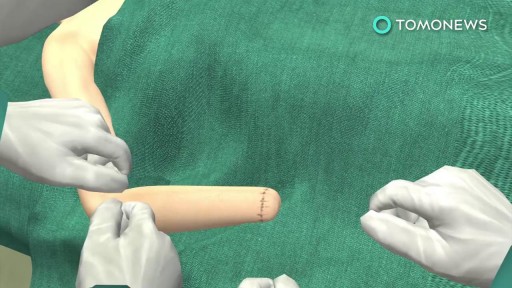 Man’s Hand Inside Meat Grinder Emergency Removing50,792 views
 All Suture Techniques Part 149,780 views
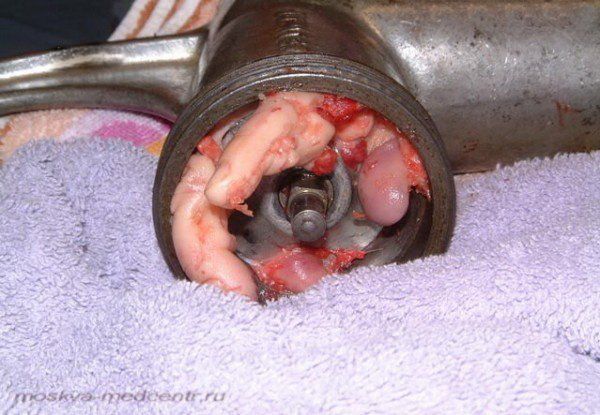 Removing Hand Caught Inside Meat Grinder47,940 views
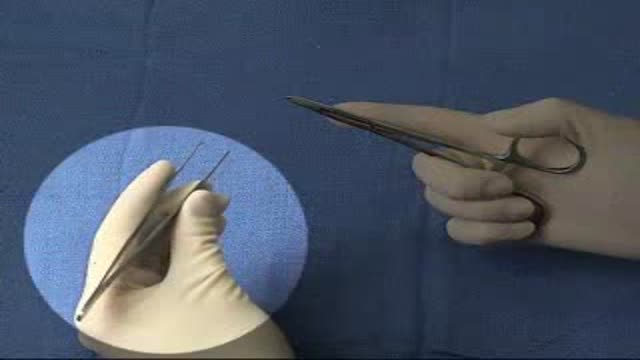 Suturing a Wound43,761 views
 Boy Returns from the Beach with a Snail Inside His Knee41,864 views
 Man Impaled by Shovel in His Butt - ER Stories41,419 views
About Emergency Medicine
Emergency physicians stabilise first and investigate second: airway, breathing and circulation come before any diagnosis. They treat the undifferentiated — the patient who arrives simply 'unwell' — and decide quickly who needs resuscitation, who needs admission, and who can safely go home with a plan.
The videos here show real emergency care, from trauma procedures to suturing and resuscitation, filmed under the time pressure that defines the specialty. The First Aid section translates the same principles for the minutes before professional help arrives.
Emergency medicine is a specialty in its own right, with its own training in resuscitation, trauma and the first hours of every acute illness. Its doctors work alongside acute medicine, intensive care and every surgical specialty, and major trauma centres concentrate the most serious injuries where the full team is immediately available. The specialty also leads much of pre-hospital and retrieval medicine.
Emergency Medicine in practice
Emergency care follows a simple discipline: treat the immediately life-threatening problems first. Teams work through airway, breathing, circulation and disability in order, while monitors, blood tests and scans build the diagnosis in parallel. Many patients are treated and discharged; others are stabilised and handed to the specialty team that will continue their care.
Because emergencies arrive undiagnosed, the specialty's videos range widely — trauma, resuscitation, wound care and procedures such as chest drains and fracture splinting. The First Aid guides linked here cover what bystanders can usefully do before the ambulance arrives.
Emergency departments are for problems that cannot wait: chest pain, stroke symptoms, severe breathlessness, major injury, uncontrolled bleeding and sudden collapse are always reasons to call emergency services rather than drive in. For less urgent problems, pharmacists, urgent-care centres and your usual doctor are often faster. The videos here show how emergency teams prioritise when everything arrives at once.
Condition guides
Reference & hubs
Calculators & tools
Common questions
What does an emergency physician do?
An emergency physician provides the first assessment and treatment for acute illness and injury in the emergency department: resuscitation, pain relief, emergency procedures and rapid diagnosis, and arranging admission or safe discharge with follow-up.
What can I watch and read about emergency medicine on MedicalVideos.com?
You can watch the most-watched videos from the site's Emergency Medicine category — 85 videos as of November 2026 — and read the First Aid guides and condition guides for heart attack, stroke, sepsis and other emergencies linked from this page.
When should I call emergency services instead of waiting?
Call emergency services for chest pain, signs of stroke, severe breathlessness, uncontrolled bleeding, serious injury, seizures that do not stop, or a sudden severe headache. For urgent but not life-threatening problems, urgent care or your usual clinician may be the better first stop.
More in Medical
Sources
- American College of Emergency Physicians (ACEP)
- MedlinePlus — Emergencies and first aid (MedlinePlus)
This page is general education only and is not medical advice. It gathers videos and guides published on MedicalVideos.com for one specialty; it does not replace assessment or treatment by your own clinician. Video counts are the counts shown on the site's category pages in November 2026.