
- Physical Examination
- Surgical Examination
- Ophthalmology
- Clinical Skills
- Orthopedics
- Surgery Videos
- Laparoscopy
- Pediatrics
- Funny Videos
- Cardiothoracic Surgery
- Nursing Videos
- Plastic Surgery
- Otorhinolaryngology
- Histology and Histopathology
- Neurosurgery
- Dermatology
- Pediatric Surgery
- Urology
- Dentistry
- Oncology and Cancers
- Anatomy Videos
- Health and Fitness
- Radiology
- Anaesthesia
- Physical Therapy
- Pharmacology
- Interventional Radiology
- Cardiology
- Endocrinology
- Gynecology
- Emergency Medicine
- Psychiatry and Psychology
- Childbirth Videos
- General Medical Videos
- Nephrology
- Physiology
- Diet and Food Health
- Diabetes Mellitus
- Neurology
- Women Health
- Osteoporosis
- Gastroenterology
- Pulmonology
- Hematology
- Rheumatology
- Toxicology
- Nuclear Medicine
- Infectious Diseases
- Vascular Disease
- Reproductive Health
- Burns and Wound Healing
- Kidney Zone Podcast
- Other
Rheumatology Videos & Guides
Rheumatology is the specialty of joints, muscles and connective tissue — arthritis in its many forms, gout, lupus and other autoimmune diseases. This page gathers MedicalVideos.com's rheumatology library in one place: the most-watched videos from the Rheumatology category (22 videos as of November 2026), the condition guides that belong to this specialty, and links to lab values, drug information and exercises.
✓ Medically reviewed by Dr. Mohamed Ibrahim, MD, PhD — physician-scientist · Last reviewed: November 2026
Top videos
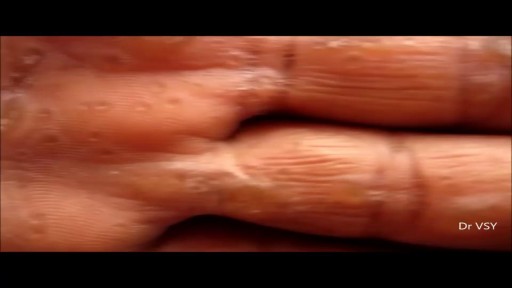 keratoderma blennorrhagicum6,565 views
 Is Your Vertigo BPPV or Autoimmune?4,657 views
 How to Know If You Are Autoimmune4,180 views
 : Lupus Nephritis and Lupus Weight Loss3,763 views
 Immune Responses During a Lupus Flare2,663 views
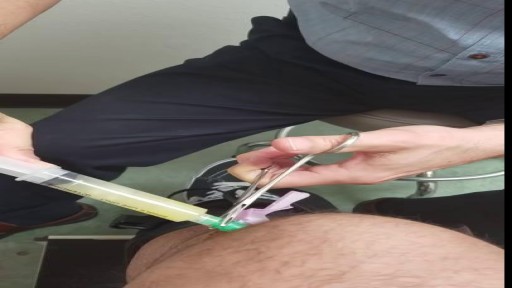 Knee drain after gout flare up2,201 views
About Rheumatology
Rheumatologists distinguish the many causes of joint pain — wear-and-tear osteoarthritis, crystal arthritis such as gout, and autoimmune arthritis — because the treatments differ completely. They use blood tests, joint fluid examination and scans, and supervise the disease-modifying and biologic medicines that have transformed inflammatory arthritis care.
The library's rheumatology collection is small, so this page gathers the condition guides for arthritis, gout and lupus and the lab values behind the specialty's blood tests alongside the videos.
Rheumatology works closely with orthopedics (which operates on the joints rheumatology treats medically), dermatology (psoriasis and lupus cross both), nephrology and immunology. Specialist nurses run much of the day-to-day disease-modifying drug monitoring and patient education. The specialty also manages metabolic bone disease alongside endocrinology, and its clinics are a common destination for pain that does not fit a single joint or organ.
Rheumatology in practice
Rheumatology assessment looks for pattern: which joints, in what distribution, with what stiffness pattern, plus rashes, mouth ulcers and other clues that separate autoimmune disease from wear and injury. Blood tests for inflammation and autoantibodies support — but never replace — that clinical pattern.
Modern treatment starts early: disease-modifying drugs, and biologics for those who need them, aim to switch inflammation off before joints are damaged. The lab values and drug guides linked here explain the monitoring blood tests and medicines that long-term rheumatology care involves.
Referral usually follows joint pain with swelling, a positive autoantibody test, or inflammation that blood tests confirm but cannot explain. Early referral matters: inflammatory arthritis treated in its first months has a much better long-term outcome. Many rheumatology departments run early-arthritis clinics for exactly this reason, and the drug guides here explain the monitoring that disease-modifying treatment requires.
Condition guides
Reference & hubs
Common questions
What does a rheumatologist do?
A rheumatologist diagnoses and treats arthritis and autoimmune diseases of the joints, muscles and connective tissues: rheumatoid arthritis, gout, lupus, and many rarer conditions. They interpret immune blood tests and supervise long-term medicines that calm the immune system.
What can I watch and read about rheumatology on MedicalVideos.com?
You can watch the most-watched videos from the site's Rheumatology category — 22 videos as of November 2026 — and read condition guides for rheumatoid arthritis, gout, lupus, osteoarthritis, fibromyalgia and osteoporosis, all gathered on this page.
When should joint pain be seen by a rheumatologist?
People are usually referred for joints that are swollen as well as painful, morning stiffness lasting more than half an hour, or blood tests suggesting an autoimmune condition. A single hot, swollen joint needs same-day assessment to rule out infection.
More in Medical
Sources
- American College of Rheumatology (ACR)
- MedlinePlus — Arthritis (MedlinePlus)
This page is general education only and is not medical advice. It gathers videos and guides published on MedicalVideos.com for one specialty; it does not replace assessment or treatment by your own clinician. Video counts are the counts shown on the site's category pages in November 2026.