
- Physical Examination
- Surgical Examination
- Ophthalmology
- Clinical Skills
- Orthopedics
- Surgery Videos
- Laparoscopy
- Pediatrics
- Funny Videos
- Cardiothoracic Surgery
- Nursing Videos
- Plastic Surgery
- Otorhinolaryngology
- Histology and Histopathology
- Neurosurgery
- Dermatology
- Pediatric Surgery
- Urology
- Dentistry
- Oncology and Cancers
- Anatomy Videos
- Health and Fitness
- Radiology
- Anaesthesia
- Physical Therapy
- Pharmacology
- Interventional Radiology
- Cardiology
- Endocrinology
- Gynecology
- Emergency Medicine
- Psychiatry and Psychology
- Childbirth Videos
- General Medical Videos
- Nephrology
- Physiology
- Diet and Food Health
- Diabetes Mellitus
- Neurology
- Women Health
- Osteoporosis
- Gastroenterology
- Pulmonology
- Hematology
- Rheumatology
- Toxicology
- Nuclear Medicine
- Infectious Diseases
- Vascular Disease
- Reproductive Health
- Burns and Wound Healing
- Kidney Zone Podcast
- Other
Pathology Videos & Guides
Pathology is the specialty of diagnosing disease in the laboratory — examining tissue, cells and blood, and producing the test results on which most treatment decisions rest. This page gathers MedicalVideos.com's pathology library in one place: the most-watched videos from the Histology and Histopathology category (145 videos as of November 2026), the condition guides that belong to this specialty, and links to the Lab Values and Drug Guide sections.
✓ Medically reviewed by Dr. Mohamed Ibrahim, MD, PhD — physician-scientist · Last reviewed: November 2026
Top videos
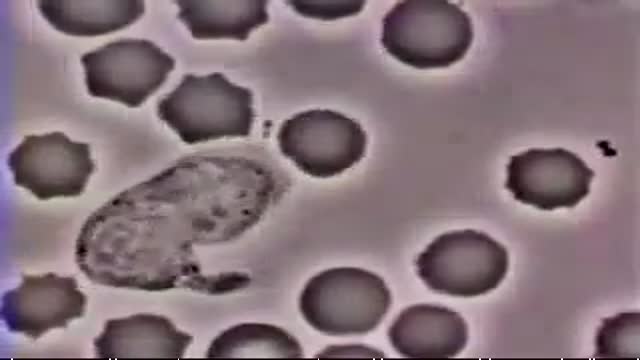 White Blood Cell Chasing Bacteria62,393 views
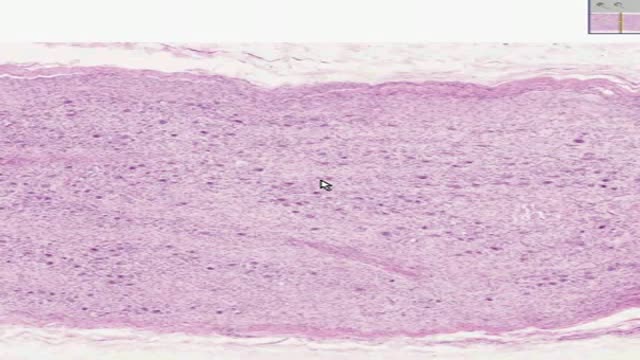 Histology of Sympathetic Ganglion18,670 views
 Shave and Punch Skin Biopsy18,568 views
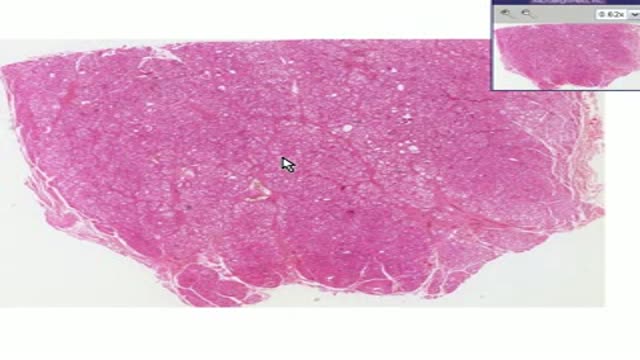 Histopathology of Graves Disease17,930 views
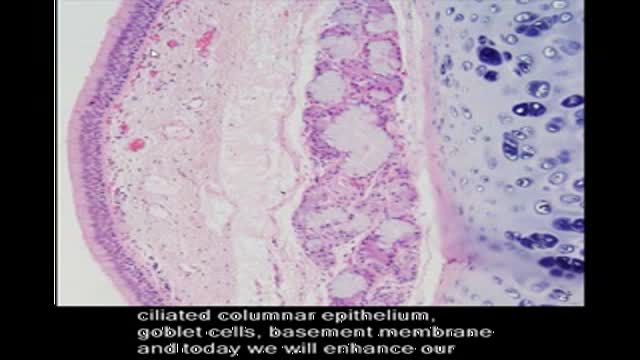 Histology -connective tissue17,171 views
 Histology of vagina16,500 views
About Pathology
Pathologists run the laboratories that produce most of the numbers in a medical record: blood counts, chemistry panels, cultures and tissue diagnoses. Histopathologists examine biopsy and surgical specimens under the microscope to answer the question every other specialty asks — what exactly is this?
The videos here are strong on microscopy — histology slides and classic footage of cells at work — and the Lab Values section alongside explains the test results pathologists produce, in plain language.
Pathology's subspecialties map onto the whole hospital: histopathology and cytology (tissue and cells), microbiology and virology (infection), clinical biochemistry, haematology, immunology and genetics. Mortuary and post-mortem services also sit within pathology in most hospitals. The specialty is increasingly digital — scanned slides and computer-assisted screening are changing how the microscopy videos on this page translate into daily practice.
Pathology in practice
A pathology report is a structured answer: what the tissue is, whether it is benign or malignant, how far it extends, and the features that predict behaviour and guide treatment. Turnaround ranges from minutes — frozen sections examined during an operation — to days for full processing and special stains.
Beyond tissue, pathology includes microbiology (identifying infections), biochemistry, haematology and transfusion medicine. Almost every diagnosis in the other specialty pages on this site passed through a pathology laboratory on its way to the patient.
Patients rarely meet their pathologist, but the specialty touches almost every diagnosis: the biopsy report, the blood test result, the infection identified in the laboratory. Pathology departments also run the hospital's transfusion service and advise clinicians daily on which tests to request and how to interpret them. If a report phrase puzzles you, the Lab Values section explains the commonest terms and reference ranges.
Condition guides
Reference & hubs
Common questions
What does a pathologist do?
A pathologist is a doctor who diagnoses disease by examining tissues, cells and body fluids and by supervising the clinical laboratory. Their reports — on biopsies, surgical specimens and blood tests — guide the treatment decisions of almost every other specialty.
What can I watch and read about pathology on MedicalVideos.com?
You can watch the most-watched videos from the site's Histology and Histopathology category — 145 videos as of November 2026 — and use the Lab Values section to understand blood and tissue test results, with condition guides for cancer, leukemia and anemia alongside.
What is a biopsy and why is it sent to pathology?
A biopsy removes a small sample of tissue so a pathologist can examine it under the microscope and make or confirm a diagnosis — most often to distinguish cancer from non-cancerous conditions and to guide what treatment is needed.
More in Diagnostics & Lab
Sources
- College of American Pathologists (CAP)
- MedlinePlus — Laboratory tests (MedlinePlus)
This page is general education only and is not medical advice. It gathers videos and guides published on MedicalVideos.com for one specialty; it does not replace assessment or treatment by your own clinician. Video counts are the counts shown on the site's category pages in November 2026.