
- Physical Examination
- Surgical Examination
- Ophthalmology
- Clinical Skills
- Orthopedics
- Surgery Videos
- Laparoscopy
- Pediatrics
- Funny Videos
- Cardiothoracic Surgery
- Nursing Videos
- Plastic Surgery
- Otorhinolaryngology
- Histology and Histopathology
- Neurosurgery
- Dermatology
- Pediatric Surgery
- Urology
- Dentistry
- Oncology and Cancers
- Anatomy Videos
- Health and Fitness
- Radiology
- Anaesthesia
- Physical Therapy
- Pharmacology
- Interventional Radiology
- Cardiology
- Endocrinology
- Gynecology
- Emergency Medicine
- Psychiatry and Psychology
- Childbirth Videos
- General Medical Videos
- Nephrology
- Physiology
- Diet and Food Health
- Diabetes Mellitus
- Neurology
- Women Health
- Osteoporosis
- Gastroenterology
- Pulmonology
- Hematology
- Rheumatology
- Toxicology
- Nuclear Medicine
- Infectious Diseases
- Vascular Disease
- Reproductive Health
- Burns and Wound Healing
- Kidney Zone Podcast
- Other
Interventional Radiology Videos & Guides
Interventional radiology is the specialty of treating disease from inside the body, using X-rays, CT and ultrasound to guide catheters and needles through tiny punctures instead of surgical incisions. This page gathers MedicalVideos.com's interventional radiology library in one place: the most-watched videos from the Interventional Radiology category (6 videos as of November 2026), the condition guides that belong to this specialty, and links to the Imaging Explained hub and procedure explainers.
✓ Medically reviewed by Dr. Mohamed Ibrahim, MD, PhD — physician-scientist · Last reviewed: November 2026
Top videos
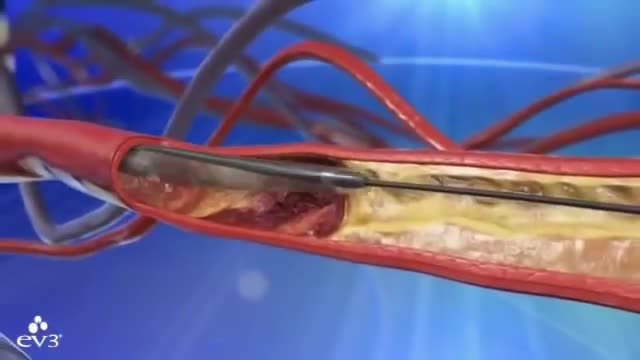 Plaque Removal9,944 views
 CT Guided Lung Biopsy6,123 views
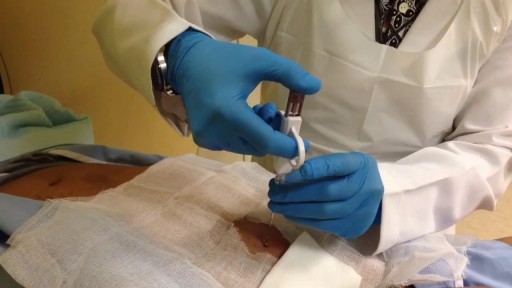 Trans thoracic core needle biopsy by chest ct scan guided4,262 views
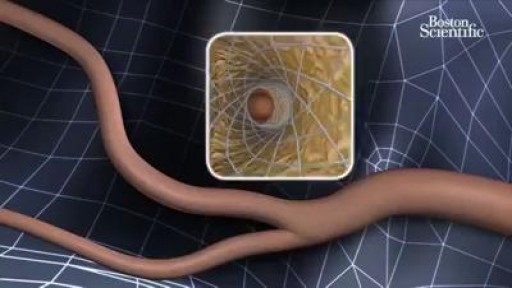 Carotid Stenting.3,047 views
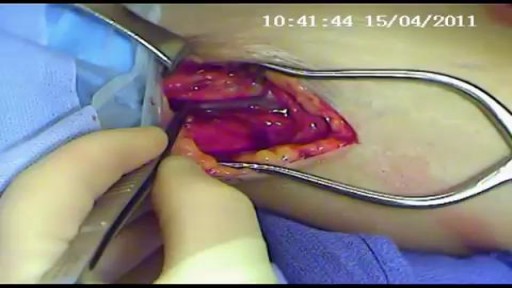 Upper arm AV graft Surgery2,257 views
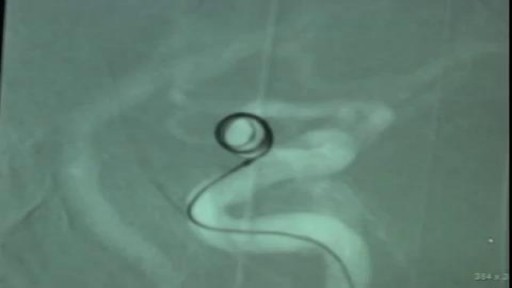 Endovascular Coiling of Unruptured Ophthalmic Artery Aneurysm2,143 views
About Interventional Radiology
Interventional radiologists work through pinhole incisions, steering catheters and needles with X-ray, CT or ultrasound guidance. Their procedures often replace open surgery: unblocking arteries, stopping internal bleeding, draining abscesses, shrinking fibroids and taking biopsies from deep organs.
The site's interventional radiology category is small, so this page also links to the Imaging Explained hub, where angiography and image-guided procedures are explained in plain language, and to the procedure explainers for the treatments themselves.
Interventional radiology grew out of diagnostic radiology, and its practitioners are radiologists first: the imaging expertise is what makes the procedures possible. The specialty staffs emergency rotas for bleeding control and stroke thrombectomy support in many hospitals, and its outpatient work — biopsies, drainages, vein treatments — is expanding quickly. Patients benefit because one team can often diagnose and treat in the same session.
Interventional Radiology in practice
An interventional radiology procedure starts with imaging: the radiologist plans a route to the target that avoids important structures, then advances wires and catheters under continuous X-ray or ultrasound vision. Most procedures use local anaesthetic and sedation rather than a general anaesthetic.
Patients are often referred by another specialty — surgery, oncology, gynaecology — when an image-guided approach can achieve the same goal as an operation with less recovery. Aftercare is usually observation for a few hours, with attention to the puncture site and the treated organ.
Patients are almost always referred by another team — a surgeon, oncologist or gynaecologist who thinks an image-guided approach may achieve the goal with less recovery. You will usually meet the radiologist at a pre-procedure clinic or on the day, and the imaging hub's angiography guide explains the environment. Afterwards, results and images go back to the referring team, who remain in charge of your overall care.
Condition guides
Reference & hubs
Common questions
What does an interventional radiologist do?
An interventional radiologist performs minimally invasive treatments guided by imaging: opening blocked vessels, embolizing bleeding or tumours, draining fluid collections and taking targeted biopsies, usually through a pinhole puncture rather than an operation incision.
What can I watch and read about interventional radiology on MedicalVideos.com?
You can watch the most-watched videos from the site's Interventional Radiology category — 6 videos as of November 2026 — read the angiography guide in the Imaging Explained hub, and use the condition guides for stroke, fibroids and other conditions these procedures treat.
How is interventional radiology different from surgery?
Because the treatment is delivered through a small puncture with imaging guidance, many interventional radiology procedures need only sedation, have a shorter recovery than open surgery, and are done as day cases. Your team will explain the approach planned for you.
More in Diagnostics & Lab
Sources
This page is general education only and is not medical advice. It gathers videos and guides published on MedicalVideos.com for one specialty; it does not replace assessment or treatment by your own clinician. Video counts are the counts shown on the site's category pages in November 2026.