
- Physical Examination
- Surgical Examination
- Ophthalmology
- Clinical Skills
- Orthopedics
- Surgery Videos
- Laparoscopy
- Pediatrics
- Funny Videos
- Cardiothoracic Surgery
- Nursing Videos
- Plastic Surgery
- Otorhinolaryngology
- Histology and Histopathology
- Neurosurgery
- Dermatology
- Pediatric Surgery
- Urology
- Dentistry
- Oncology and Cancers
- Anatomy Videos
- Health and Fitness
- Radiology
- Anaesthesia
- Physical Therapy
- Pharmacology
- Interventional Radiology
- Cardiology
- Endocrinology
- Gynecology
- Emergency Medicine
- Psychiatry and Psychology
- Childbirth Videos
- General Medical Videos
- Nephrology
- Physiology
- Diet and Food Health
- Diabetes Mellitus
- Neurology
- Women Health
- Osteoporosis
- Gastroenterology
- Pulmonology
- Hematology
- Rheumatology
- Toxicology
- Nuclear Medicine
- Infectious Diseases
- Vascular Disease
- Reproductive Health
- Burns and Wound Healing
- Kidney Zone Podcast
- Other
ERCP: What to Expect & Recovery
ERCP is an endoscopic procedure (not open surgery) that clears bile or pancreatic duct blockages — stones, strictures — using X-ray guidance and tiny instruments through a scope. Recovery is usually hours, but the pancreas can become inflamed afterwards, which is why new severe pain after ERCP always needs urgent assessment.
Before surgery: how to prepare
- Blood thinners are critical: stents, stone removal and sphincterotomy all carry bleeding risk, so the unit will give precise instructions about which medicines to pause.
- You will fast before the procedure (usually 6 hours), and need an adult to stay with you for the first night at home if you have sedation (procedures dataset).
- Tell the team about previous pancreatitis, contrast or antibiotic allergies, and any implanted devices.
- Ask what therapy is planned — stone extraction, stent, dilation — and whether a repeat procedure is likely (many ERCP patients need staged treatment).
The day of surgery
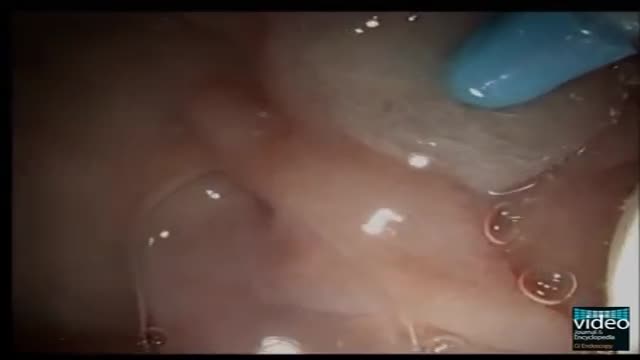
Under sedation (sometimes general anaesthetic), a side-viewing scope passes through the mouth to the duodenum, where dye and X-rays map the ducts. The duct opening may be widened (sphincterotomy), stones swept out with a balloon or basket, strictures dilated, and stents placed. It takes 30 to 90 minutes. You recover under observation for 4 to 6 hours, watching specifically for abdominal pain that could signal pancreatitis.
In hospital
Recovery timeline
Every recovery is individual, but most follow this general arc:
Warning signs: when to get help
- Severe abdominal pain, especially spreading to the back — possible pancreatitis — seek urgent care immediately (this includes pain starting in the first 24-48 hours)
- Fever, shivering, or worsening yellowing of the eyes (cholangitis — infection in a blocked duct)
- Vomiting, or vomiting blood
- Black, tarry stools (bleeding)
- Being unable to eat or drink, or worsening pain after initial improvement
Related topics
Watch: real operation videos
From the MedicalVideos library. Some surgical videos are graphic and intended for education.
Frequently asked questions
What is the main risk of ERCP?
Pancreatitis — irritation of the pancreas triggered by instrumenting its duct opening — is the most significant risk, usually appearing as severe abdominal pain within hours. Most cases settle with hospital supportive care. Bleeding, infection (cholangitis) and perforation are less common; your consent discussion will cover rates for your case (procedures dataset).
Why do I need my gallbladder out if the stones are cleared?
ERCP clears the duct, but the gallbladder is usually where the stones formed. Leaving it means more stones can migrate and block the duct again. Gallbladder removal after duct clearance is therefore commonly advised once you have recovered.
Medically reviewed by Dr. Mohamed Ibrahim, Assistant Professor of Medicine, Transplant Nephrology, University of Maryland School of Medicine. Last reviewed: 12 November 2026.
← More General & Other Surgery · All surgery recovery guides