
- Physical Examination
- Surgical Examination
- Ophthalmology
- Clinical Skills
- Orthopedics
- Surgery Videos
- Laparoscopy
- Pediatrics
- Funny Videos
- Cardiothoracic Surgery
- Nursing Videos
- Plastic Surgery
- Otorhinolaryngology
- Histology and Histopathology
- Neurosurgery
- Dermatology
- Pediatric Surgery
- Urology
- Dentistry
- Oncology and Cancers
- Anatomy Videos
- Health and Fitness
- Radiology
- Anaesthesia
- Physical Therapy
- Pharmacology
- Interventional Radiology
- Cardiology
- Endocrinology
- Gynecology
- Emergency Medicine
- Psychiatry and Psychology
- Childbirth Videos
- General Medical Videos
- Nephrology
- Physiology
- Diet and Food Health
- Diabetes Mellitus
- Neurology
- Women Health
- Osteoporosis
- Gastroenterology
- Pulmonology
- Hematology
- Rheumatology
- Toxicology
- Nuclear Medicine
- Infectious Diseases
- Vascular Disease
- Reproductive Health
- Burns and Wound Healing
- Other
Other
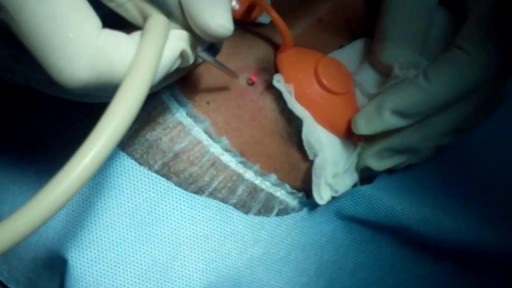


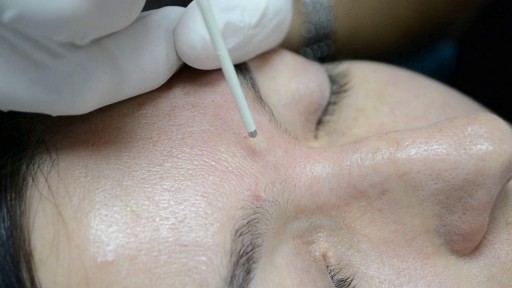
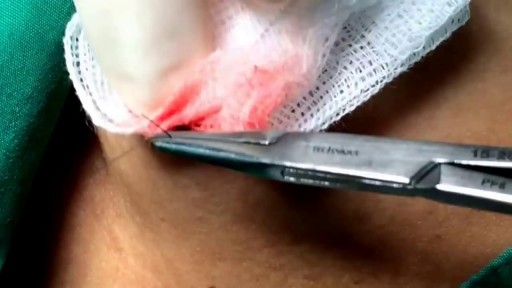
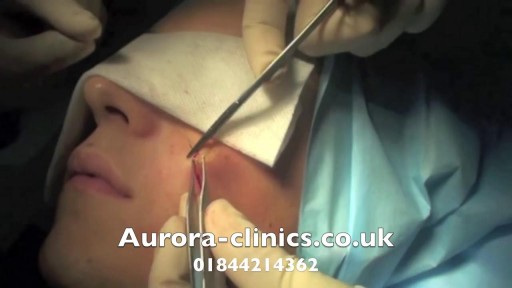
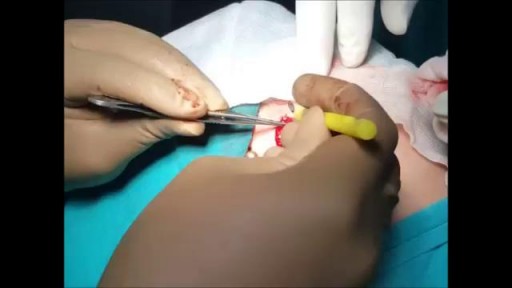
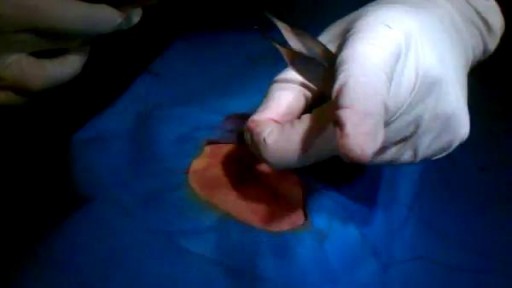
Most people develop several moles (nevi) throughout adulthood. Moles can be found anywhere on the body, usually in sun-exposed areas, and are usually brown, smooth, and slightly raised. In most cases, a nevus is benign and doesn't require treatment. Rarely, they turn into melanoma or other skin cancers. A nevus that changes shape, grows bigger, or darkens should be evaluated for removal.
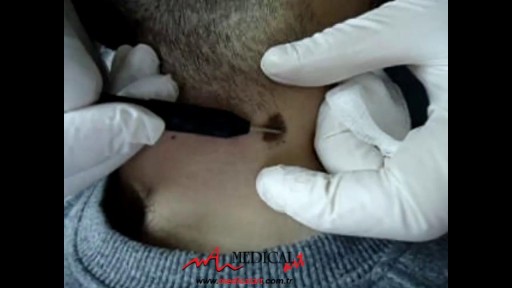
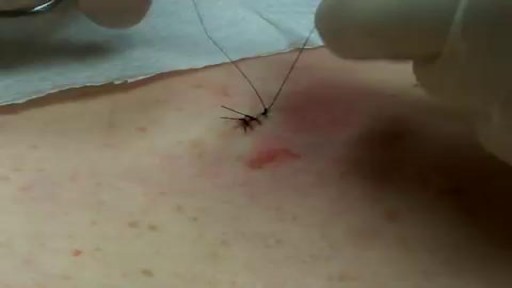


What Is a Hair Transplant? It's a type of surgery that moves hair you already have to fill an area with thin or no hair. Doctors have been doing these transplants in the U.S. since the 1950s, but techniques have changed a lot in recent years. You usually have the procedure in the doctor's office. First, the surgeon cleans your scalp and injects medicine to numb the back of your head. Your doctor will choose one of two methods for the transplant: follicular unit strip surgery (FUSS) or follicular unit extraction (FUE). With FUSS, the surgeon removes a 6- to 10-inch strip of skin from the back of your head. He sets it aside and sews the scalp closed. This area is immediately hidden by the hair around it. Next, the surgeon’s team divides the strip of removed scalp into 500 to 2,000 tiny grafts, each with an individual hair or just a few hairs. The number and type of graft you get depends on your hair type, quality, color, and the size of the area where you’re getting the transplant. If you’re getting the FUE procedure, the surgeon’s team will shave the back of your scalp. Then, the doctor will remove hair follicles one by one from there. The area heals with small dots, which your existing hair will cover. After that point, both procedures are the same. After he prepares the grafts, the surgeon cleans and numbs the area where the hair will go, creates holes or slits with a scalpel or needle, and delicately places each graft in one of the holes. He’ll probably get help from other team members to plant the grafts, too. Depending on the size of the transplant you’re getting, the process will take about 4 to 8 hours. You might need another procedure later on if you continue to lose hair or decide you want thicker hair. Expectations and Recovery After the surgery, your scalp may be very tender. You may need to take pain medications for several days. Your surgeon will have you wear bandages over your scalp for at least a day or two. He may also prescribe an antibiotic or an anti-inflammatory drug for you to take for several days. Most people are able to return to work 2 to 5 days after the operation. Within 2 to 3 weeks after surgery, the transplanted hair will fall out, but you should start to notice new growth within a few months. Most people will see 60% of new hair growth after 6 to 9 months. Some surgeons prescribe the hair-growing drug minoxidil (Rogaine) to improve hair growth after transplantation, but it’s not clear how well it works. Risks and Costs of Treatment The price of a hair transplant will depend largely on the amount of hair you’re moving, but it generally ranges from $4,000 to $15,000. Most insurance plans don’t cover it.

DHI India - patient Ravish speaks about his For Alopecia Diagnosis, call 1800 103 9300 (Toll Free) Book your consultation - https://goo.gl/wBJh1o



Though you might think of your spinal cord as one single piece, it's actually a column of nerves protected by a sheath of myelin and then further secured by 31 butterfly-shaped vertebrae (singular: vertebra). Medical providers divide the spinal cord into four distinct regions. Knowing the region in which the injury is located is often the key to understanding diagnosis and treatment. The four spinal cord regions are: The cervical spinal cord: This is the topmost portion of the spinal cord, where the brain connects to the spinal cord, and the neck connects to the back. This region consists of eight vertebrae, commonly referred to as C1-C8. All spinal cord numbers are descending, so C1 is the highest vertebra, while C8 is the lowest in this region. The thoracic spinal cord: This section forms the middle of the spinal cord, containing twelve vertebrae numbered T1-T12.

An estimated 12,500 spinal cord injuries occur in the U.S. every year, leaving the injured people, their friends, and their family, to cope with the aftermath of the catastrophe. For many, navigating the challenges of the health care system can feel a bit like going to medical school. Suddenly you're learning a veritable cornucopia of new terms, and may be spending endless hours Googling spinal cord anatomy to fill in the gaps in your knowledge. An educated patient is better equipped to advocate for his or her needs and interests. An education in spinal cord anatomy helps you understand what your doctor is saying, ask intelligent questions, and detect medical errors before they endanger your health.

The spine is made flexible by discs located between each vertebra and ligaments made of tough elastic fibers which hold the vertebrae together. The spine gives the body stability and protects the spinal cord which is located in a narrow canal that runs through the center of each vertebra.
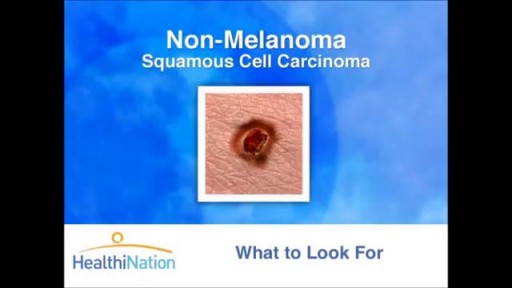
The Skin Cancer Foundation, founded in 1979 by dermatologist and Mohs surgeon Perry Robins, MD, is a global organization solely devoted to educating the public and medical community about skin cancer prevention, early detection, and treatment

Lack of sunshine causes skin cancer, according to Andreas Moritz. In this video from 2009, he explains why being in the sun is actually good for you and your skin. Find out why your sunscreen is doing more harm than good. Also, you need vitamin D to prevent cancer, and sunscreen may interfere with your exposure to vitamin D from the sun.
