
- Procedures & Tests
- Symptoms A-Z
- Symptom Checker
- Kidney Diet
- First Aid
- Anatomy Atlas
- Ask MedicalVideos
- Drug Guide
- Lab Values
- Vital Signs
- Muscles A–Z
- Clinical Signs
- Medical Abbreviations
- Medical Terminology
- Physical Examination
- Surgical Examination
- Ophthalmology
- Clinical Skills
- Orthopedics
- Surgery Videos
- Laparoscopy
- Pediatrics
- Funny Videos
- Cardiothoracic Surgery
- Nursing Videos
- Plastic Surgery
- Otorhinolaryngology
- Histology and Histopathology
- Neurosurgery
- Dermatology
- Pediatric Surgery
- Urology
- Dentistry
- Oncology and Cancers
- Anatomy Videos
- Health and Fitness
- Radiology
- Anaesthesia
- Physical Therapy
- Pharmacology
- Interventional Radiology
- Cardiology
- Endocrinology
- Gynecology
- Emergency Medicine
- Psychiatry and Psychology
- Childbirth Videos
- General Medical Videos
- Nephrology
- Physiology
- Diet and Food Health
- Diabetes Mellitus
- Neurology
- Women Health
- Osteoporosis
- Gastroenterology
- Pulmonology
- Hematology
- Rheumatology
- Toxicology
- Nuclear Medicine
- Infectious Diseases
- Vascular Disease
- Reproductive Health
- Burns and Wound Healing
- Kidney Zone Podcast
- Other
Latest videos
The newest additions to the MedicalVideos.com library — freshly curated medical and surgery videos, explainers, and lectures from educators and institutions worldwide.
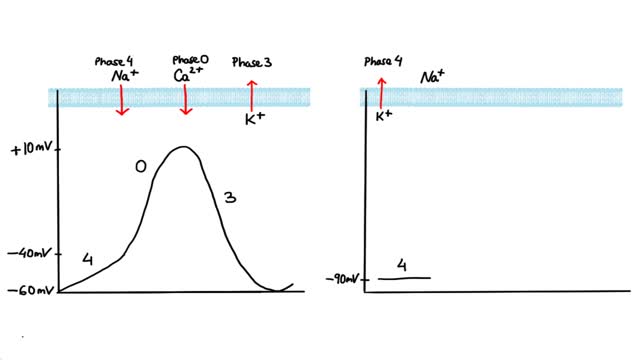

Antiarrhythmics are drugs that are used to treat abnormal heart rhythms resulting from irregular electrical activity of the heart. There are many different types of antiarrhythmic drugs. Examples include: Amiodarone (Cordarone) Flecainide (Tambocor) Procainamide (Procanbid) Sotalol (Betapace) In addition, there are other types of heart drugs that can be used to treat arrhythmias, including: Beta-blockers such as metoprolol or Toprol XL, which reduce the heart's workload and heart rate. Calcium channel blockers such as verapamil or Calan, which also reduces the heart rate.
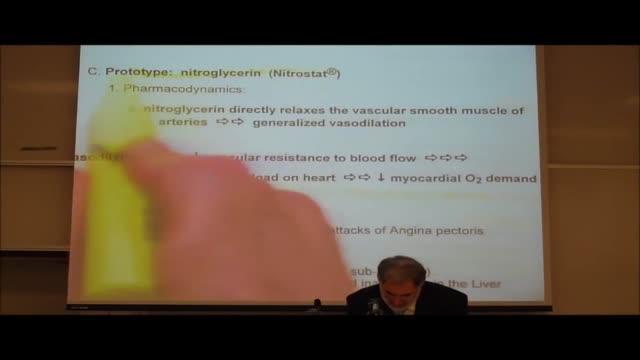
Angina results from a reduction in the oxygen supply/demand ratio. Therefore, in order to alleviate the pain, it is necessary to improve this ratio. This can be done either by increasing blood flow (which increases oxygen delivery or supply), or by decreasing oxygen demand (i.e., by decreasing myocardial oxygen consumption).

Are you a first time would be mom? If yes, then you must be very excited to feel the first movement and kick from your baby. It is undoubtedly the most exciting experience for many expecting moms. It is an indication that there is a little angel growing inside you. There are interesting facts about baby kicks during pregnancy that you need to know.
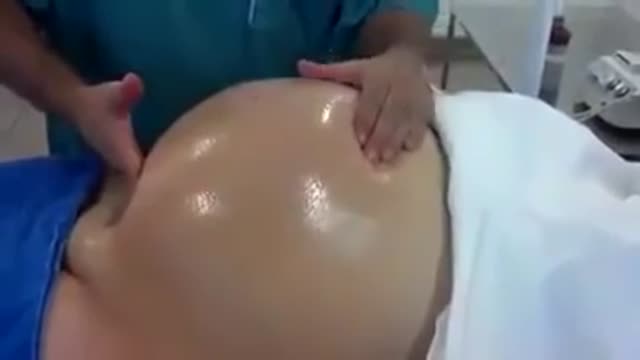
The baby will move head down if there is room or if there is tone in the support to the uterus to direct baby head down. Before 24-26 weeks most babies lie diagonal or sideways in the Transverse Lie position. Between 24-29 weeks most babies turn vertical and some will be breech.

Support and encouragement during a natural water birth are the focus of this recording, which follows a laboring mother in a birthing pool with her birth team around her. It shows the supportive role of midwives and partners during delivery. Shared for childbirth education. For learning purposes only — not medical advice.
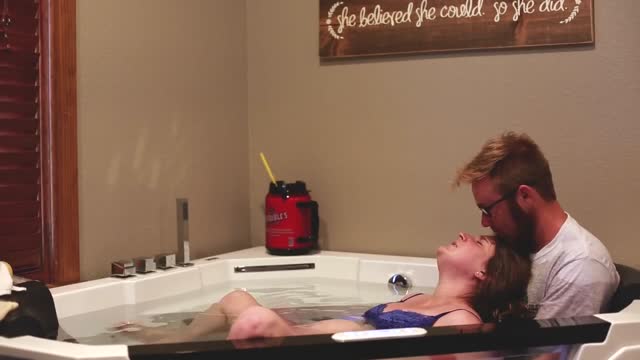
In this recording, a first-time mother gives birth in a birthing pool, with the delivery documented from the final contractions through the baby's arrival. Water births are supported by a midwife or birth team, as shown here. It offers expectant parents and students a realistic view of the method. For learning purposes only — not medical advice.

During 34 week of pregnancy, the baby is getting ready for delivery, you may feel less wriggling and kicking. Watch out this video to learn more about being 34 weeks pregnant.

32 weeks pregnant, your baby has now nails on the toes and fingers. Watch this video to get detailed information of baby's development during this 33 week of pregnancy,

During this week your baby's brain form channels and creases with the help of more tissues with greater surface area. Check out this video for detail information on 30 weeks pregnant -
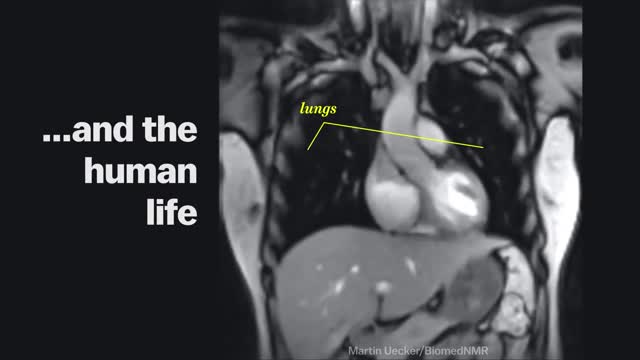
Magnetic Resonance Imaging (MRI) "sees" inside the body by mapping the position of water molecules, which exist at different densities in different types of tissue. Watch the video above for a sample of some impressive MRI images of the human body in action.
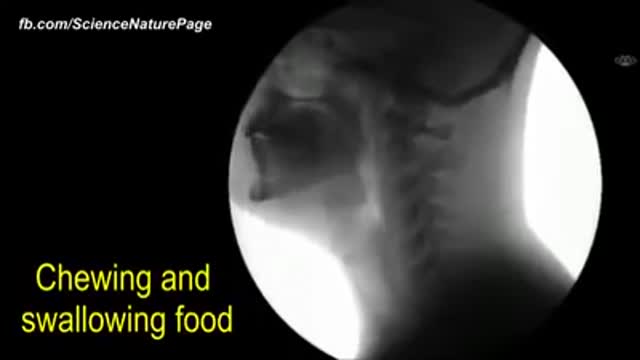
The human body as seen with MRI and X-RAY
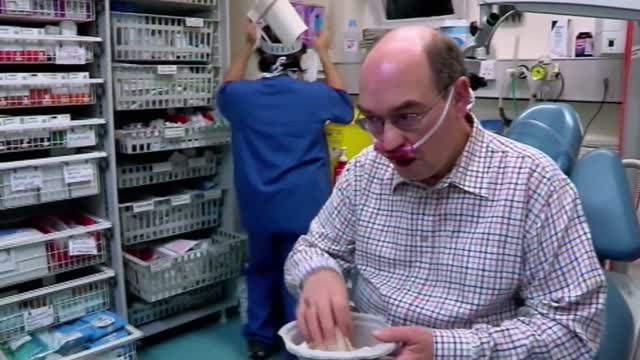
Nosebleeds are common due to the location of the nose on the face, and the large amount of blood vessels in the nose. The most common causes of nosebleeds are drying of the nasal membranes and nose picking (digital trauma), which can be prevented with proper lubrication of the nasal passages and not picking the nose.
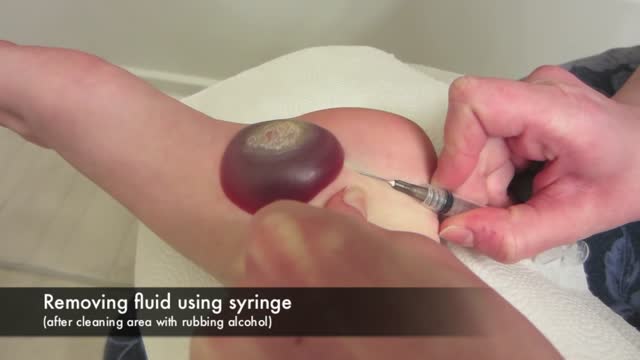
This video shows a large wart blister that formed after the wart was treated by freezing with liquid nitrogen. The recording documents the blister's appearance as the treated area reacts to cryotherapy. Blistering is an expected response after cryotherapy for warts. Plantar and common warts are caused by the human papillomavirus.
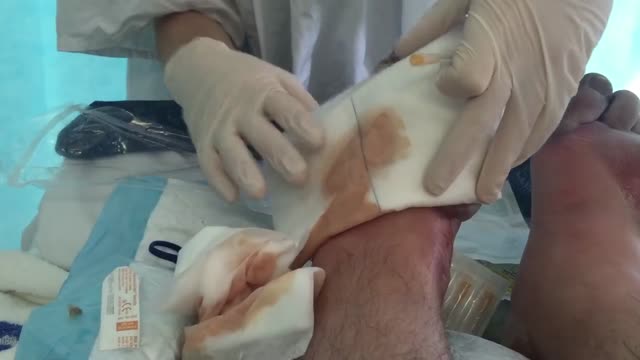
Frostbite is an injury caused by freezing of the skin and underlying tissues. First your skin becomes very cold and red, then numb, hard and pale. Frostbite is most common on the fingers, toes, nose, ears, cheeks and chin. Exposed skin in cold, windy weather is most vulnerable to frostbite. But frostbite can occur on skin covered by gloves or other clothing.
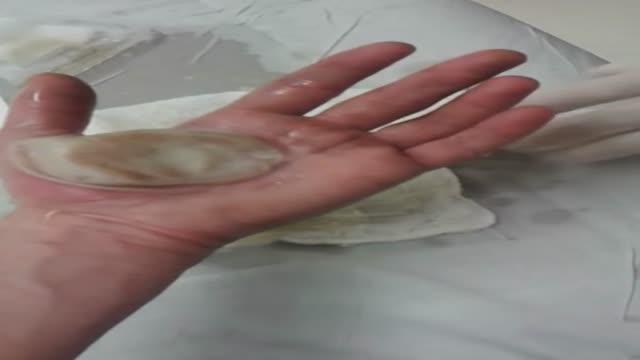
soaking the wound in cool water for five minutes or longer. taking acetaminophen or ibuprofen for pain relief. applying lidocaine (an anesthetic) with aloe vera gel or cream to soothe the skin. using an antibiotic ointment and loose gauze to protect the affected area.

Dr Sergio Canavero, believes he can successfully perform the world's first human head transplant in 2017. Within the medical establishment there is concern and scepticism—but either way the operation is set to be one of the big talking points of the year ahead.

8 months until the world’s first human head transplant
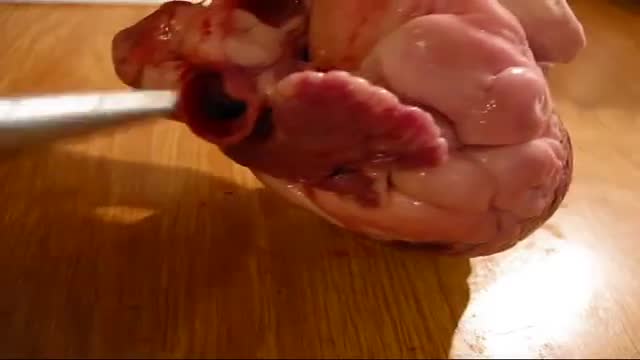
heart dissection / cardiac anatomy

Bartholin gland Marsupialization in Primary Bartholin Cyst
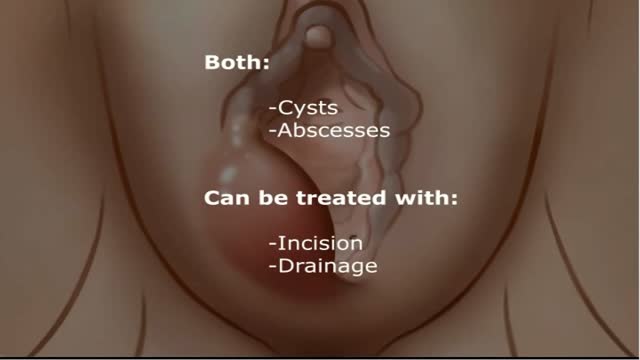
A fluid-filled swelling (cyst) in the Bartholin's glands, which lubricate the vagina.
Medical Videos
Free medical and surgery videos for patients, students and professionals — trusted since 2007.
Founded by Dr. Mohamed Ibrahim, MD, PhD — physician-scientist.
Follow us on Facebook · Instagram