
- Physical Examination
- Surgical Examination
- Ophthalmology
- Clinical Skills
- Orthopedics
- Surgery Videos
- Laparoscopy
- Pediatrics
- Funny Videos
- Cardiothoracic Surgery
- Nursing Videos
- Plastic Surgery
- Otorhinolaryngology
- Histology and Histopathology
- Neurosurgery
- Dermatology
- Pediatric Surgery
- Urology
- Dentistry
- Oncology and Cancers
- Anatomy Videos
- Health and Fitness
- Radiology
- Anaesthesia
- Physical Therapy
- Pharmacology
- Interventional Radiology
- Cardiology
- Endocrinology
- Gynecology
- Emergency Medicine
- Psychiatry and Psychology
- Childbirth Videos
- General Medical Videos
- Nephrology
- Physiology
- Diet and Food Health
- Diabetes Mellitus
- Neurology
- Women Health
- Osteoporosis
- Gastroenterology
- Pulmonology
- Hematology
- Rheumatology
- Toxicology
- Nuclear Medicine
- Infectious Diseases
- Vascular Disease
- Reproductive Health
- Burns and Wound Healing
- Other
Top videos

This video shows submandibular gland being surgically removed.
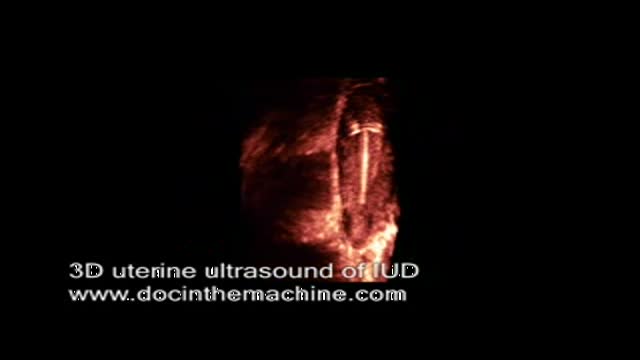
3D ultrasound of IUD in uterus
Clinical case discussion for exams.
Useful for medical students and others.
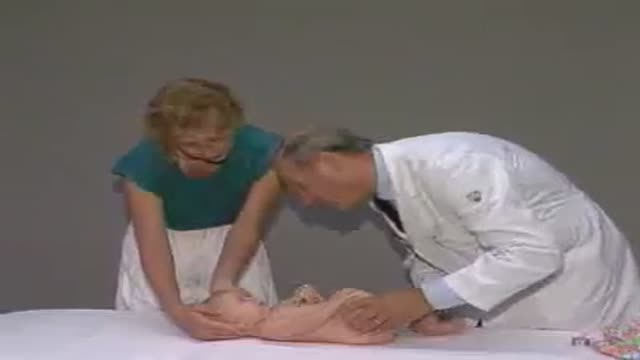
Psychomotor learning is demonstrated by physical skills such as movement, coordination, manipulation, dexterity, grace, strength, speed; actions which demonstrate the fine motor skills such as use of precision instruments or tools. Psychomotor ability refers to a wide range of actions involving physical movement related to conscious cognitive processing. Psychomotor ability may be measured by accuracy or speed (reaction time)
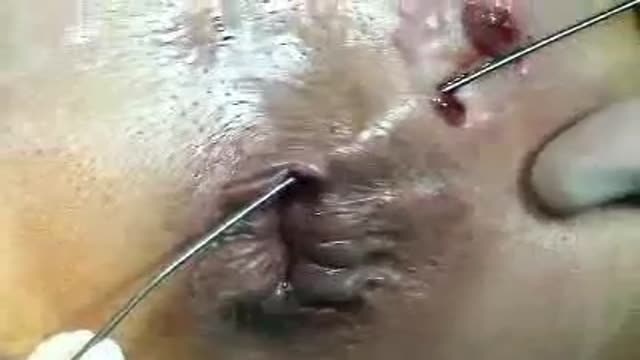
Fistulectomy procedure surgery

Ulnar head excision in a patient with rheumatoid arthritis who presented with painful and limited forearm rotation. Performed at the Queen Victoria Hospital, East Grinstead
Understanding Evidence-based Healthcare
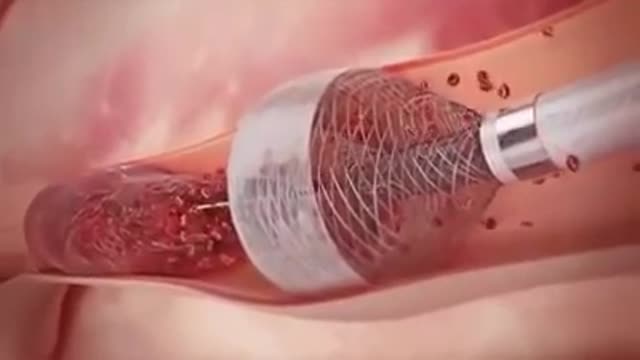
Removing Blood Clot From the Artery or Veins

The Motor Assessment Scale (MAS) is a performance-based scale that was developed as a means of assessing everyday motor function in patients with stroke (Carr, Shepherd, Nordholm, & Lynne, 1985). The MAS is based on a task-oriented approach to evaluation that assesses performance of functional tasks rather than isolated patterns of movement
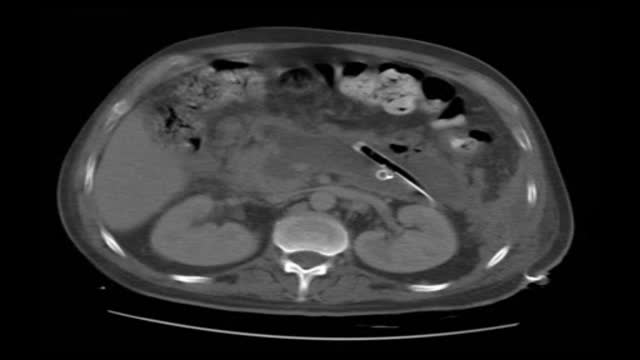
This is the CT of a 43 year old male patiënt with infected necrotizing pancreatitis that will undergo a VARD procedure; Videoscopic Assisted Retroperitoneal Debridment. Two weeks before this procedure two large bore percutaneous drains were placed in the peripancreatic collection. The patient i...s placed in supine position with the left side 30 degrees elevated. A 5-7 cm subcostal incision is made in the left flank. With help of CT images and by following the percutaneous drain, the subcutaneous tissue and the fascia are dissected and we enter the retroperitoneal peripancreatic collection. First, with a regular suction device any pus encountered is removed. Two long sympathectomy hooks are inserted in order to keep in the incision open. We than insert the zero degree laparoscope. The first necrosis encountered is removed under direct sight with the use of long grasping forceps. Following the percutaneous drain deeper into the cavity, parts of loosely adherent necrotic material are removed. Gently pulling we remove the necrotic tissue. The suction device is helpful in removing any fluid obstructing the view. Complete necrosectomy is not the ultimate aim of this procedure. Only loosely adherent pieces of necrosis are removed thereby keeping the risk of tearing underlying blood vessels to a minimum. In the rare case of extensive bleeding, the retroperitoneal cavity can be easily packed, either awaiting the bleeding to definitely stop or to act as a bridge to angiographic coiling. This patient is now 6 weeks after onset of disease. We always try to postpone surgical intervention, if possible up to 30 days. On the left side of the collection is the percutaneous drain. In this patient the drain had worked well for 2 weeks. When the patient deteriorated again it was decided to perform the VARD procedure. Large pieces of necrotic pancreas can be removed with VARD. This is a big advantage ov VARD over pure endosopic or percutaneous techniques. When all the necrotic tissue is removed we clean the cavity. Two drains are left in situ as a postoperative lavage system. The VARD procedure is performed via a 6 cm incision, which is closed and continuous postoperative lavage started immediately.
Watch that video of The Most Painful Bug Bites In The World
Anatomy of The Brain
Heart sounds S1, S2
Video shows a fine needle biopsy with guided ultrasound of a thyroid nodule.
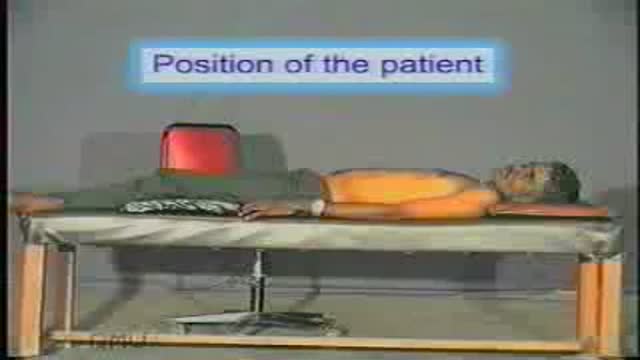
surgical examination of intra abdominal lump or mass
Watch that video to know How To Firm And Lift Your Sagging Chest Naturally
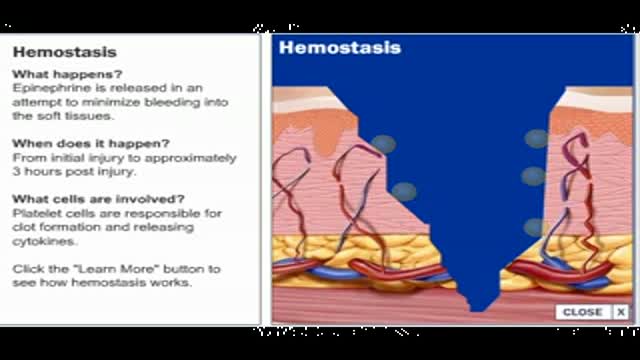
Wound healing, or wound repair, is the body's natural process of regenerating dermal and epidermal tissue. When an individual is wounded, a set of complex biochemical events takes place in a closely orchestrated cascade to repair the damage. These events overlap in time and may be artificially categorized into separate steps: the inflammatory, proliferative, and remodeling phases (Some authors consider healing to take place in four or more stages, by splitting different parts of inflammation or proliferation into separate steps.). In the inflammatory phase, bacteria and debris are phagocytized and removed, and factors are released that cause the migration and division of cells involved in the proliferative phase.

LIS Closed done at 5 O clock position, using Scalpel blade 15. After feeling the groove between internal and external anal sphincter, the blade is passed in and the lower 1/2 of Internal anal sphincter is cut. Remain below dentate line. If anal mucosa is accidently cut suture with 4-0 rapid vicryl. In event of bleeding, pinchcock for 5 minutes.
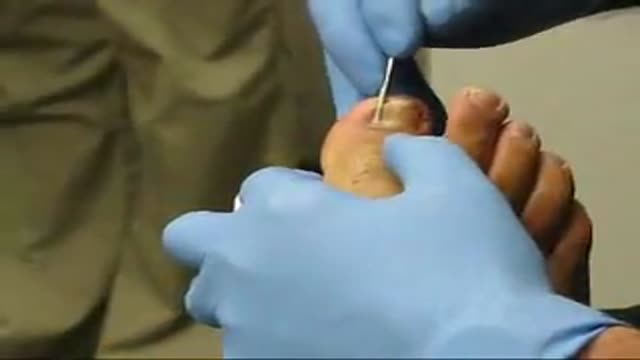
Ingrown Toenail Removal
basic subcutaneous (SQ) injection techniques
