
- Physical Examination
- Surgical Examination
- Ophthalmology
- Clinical Skills
- Orthopedics
- Surgery Videos
- Laparoscopy
- Pediatrics
- Funny Videos
- Cardiothoracic Surgery
- Nursing Videos
- Plastic Surgery
- Otorhinolaryngology
- Histology and Histopathology
- Neurosurgery
- Dermatology
- Pediatric Surgery
- Urology
- Dentistry
- Oncology and Cancers
- Anatomy Videos
- Health and Fitness
- Radiology
- Anaesthesia
- Physical Therapy
- Pharmacology
- Interventional Radiology
- Cardiology
- Endocrinology
- Gynecology
- Emergency Medicine
- Psychiatry and Psychology
- Childbirth Videos
- General Medical Videos
- Nephrology
- Physiology
- Diet and Food Health
- Diabetes Mellitus
- Neurology
- Women Health
- Osteoporosis
- Gastroenterology
- Pulmonology
- Hematology
- Rheumatology
- Toxicology
- Nuclear Medicine
- Infectious Diseases
- Vascular Disease
- Reproductive Health
- Burns and Wound Healing
- Kidney Zone Podcast
- Other
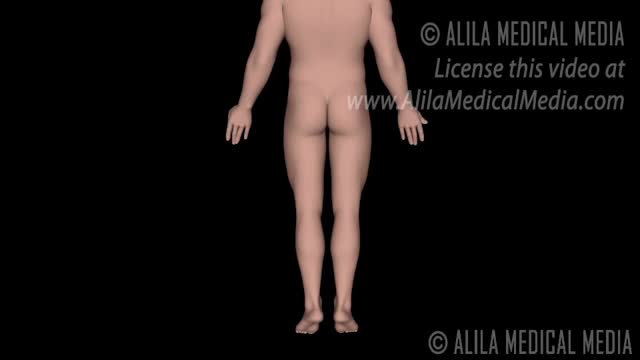
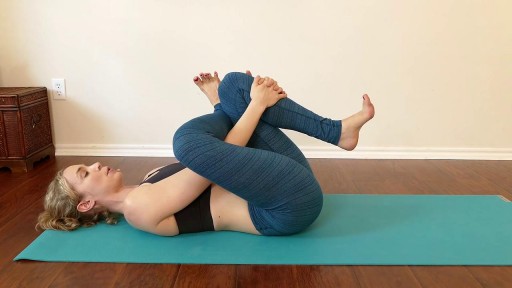
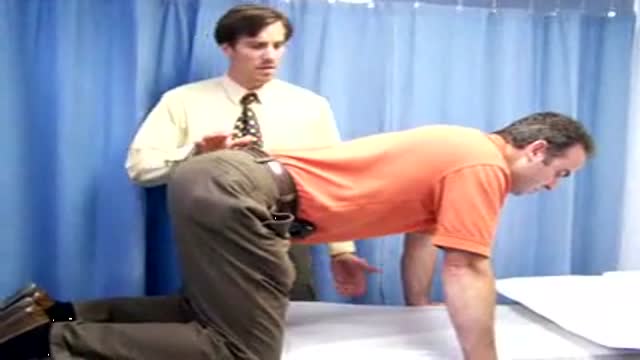
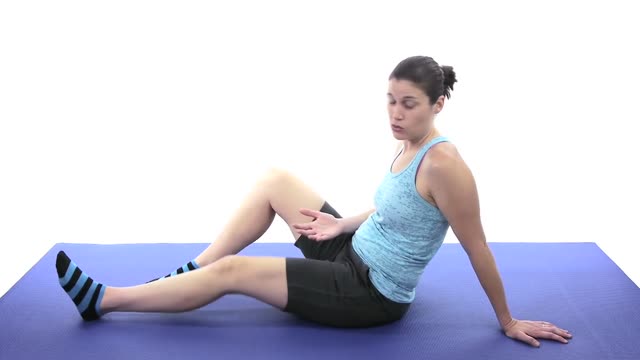
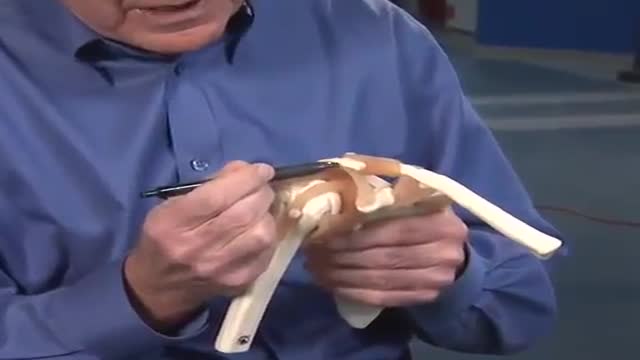
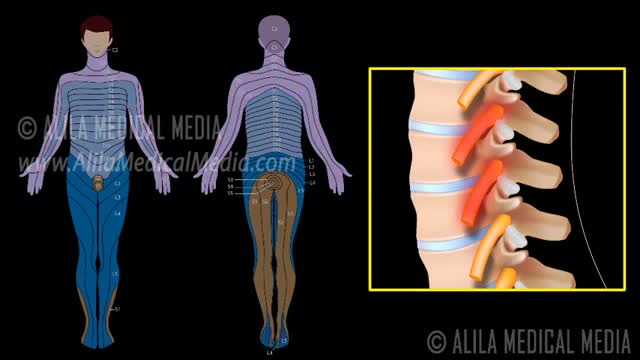
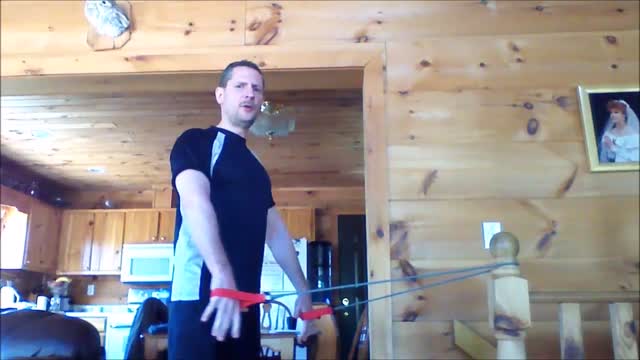

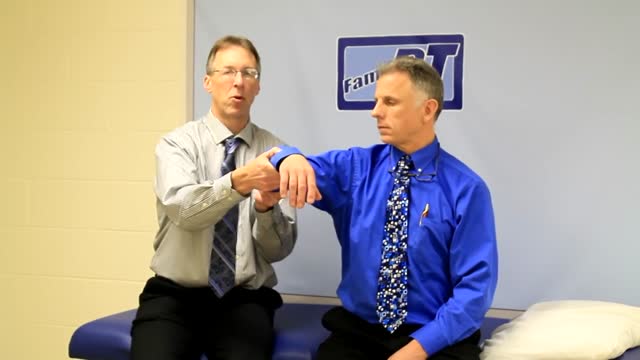





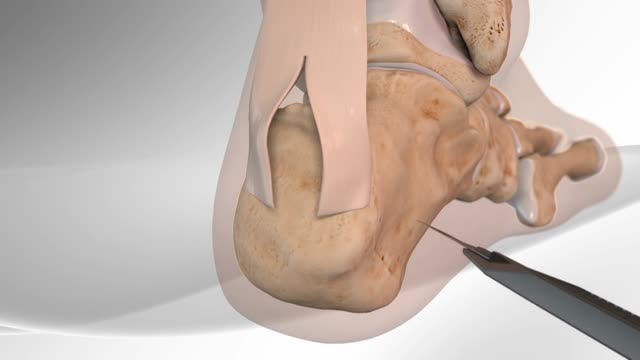
Piriformis Syndrome versus Sciatica

Educational only: videos on MedicalVideos.com are for general information and are not medical advice. Always consult your own doctor about your health.
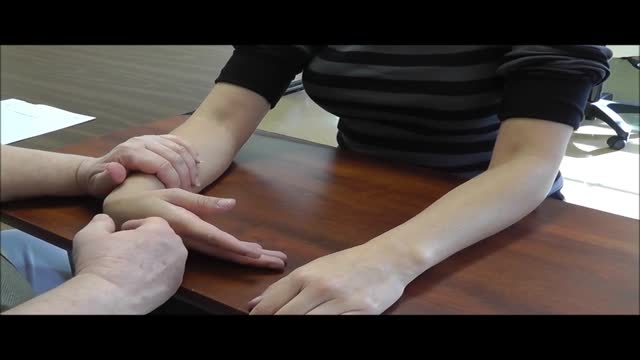
Piriformis syndrome refers to when the piriformis muscle irritates the sciatic nerve and caues pain along the back of the leg and foot.
This video in 30 seconds
A short narrated explainer distinguishing piriformis syndrome from sciatica. It describes how the piriformis, a deep gluteal muscle, can compress the sciatic nerve running beneath it and produce pain, tingling and numbness in the buttock and down the leg, and explains that the syndrome is often diagnosed by excluding sciatica, whose symptoms are similar but whose causes differ.
Key points
- The piriformis muscle is described as lying over the sciatic nerve in the buttock
- Compression or spasm of the muscle is presented as the source of the symptoms
- Sciatica is described as usually involving nerve root compression by a herniated disc
- Diagnosis is described as commonly made by exclusion of sciatica
- Causes, risk factors and treatment options such as stretching and physical therapy are outlined
Chapters
- 0:03 — What piriformis syndrome is
- 0:31 — Differentiating from sciatica
- 0:46 — Causes and risk factors
- 1:14 — Treatment options described
Video Transcript
A narrated explainer distinguishing piriformis syndrome from sciatica. It describes how the piriformis — a deep gluteal muscle — can press on the sciatic nerve that runs beneath it, causing pain, tingling and numbness in the buttock and down the thigh and leg, and how the syndrome is differentiated from sciatica, which shares the symptoms but has different causes, making diagnosis often one of exclusion.
Read the full transcript
Pyriformis syndrome is a neuromuscular condition where the piriformis muscle, one of the deep gluteal muscles, presses on and compresses the sciatic nerve, causing pain, tingling and numbness in the buttock area and down the path of sciatic nerve to the thigh and leg. Sciatic nerve runs under the piriformis muscle and may be irritated when the muscle is too tight or shortened due to spasms. Pyriformis syndrome is to be differentiated from sciatica which shows similar symptoms but has different causes. Diagnosis is commonly done by exclusion of sciatica because sciatica usually associates with compression of sciatic nerve root by a herniated disc.
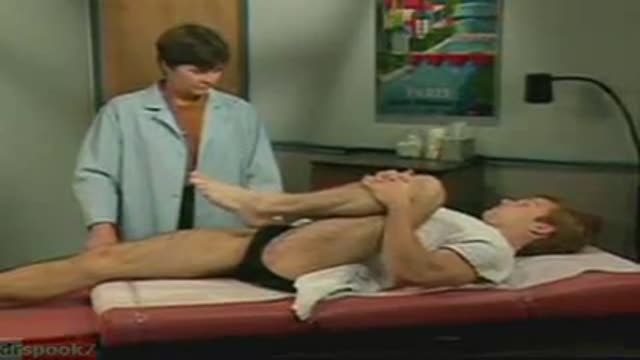
Sciatic symptoms in the absence of spinal disc herniation are indicative of piriformis syndrome. Causes and risk factors of piriformis syndrome include anatomical abnormality of the nerve muscle relation. Some people are more likely to get piriformis syndrome than others. Tightness or spasm of the piriformis muscle due to overuse injury. This commonly happens in sport activities that put pressure on the piriformis muscle such as bicycling, running without proper stretching, or any activity that involves repeated movements of the legs performed in sitting position. Treatment options include stretching exercises, massage, avoidance of causative activities, anti-inflammatory drugs, muscle relaxants for relief of symptoms,
physical therapy that strengthens the gluteus maximus, gluteus medius, and biceps femoris is usually recommended to reduce strain on the piriformis muscle.
Transcript auto-generated from the video’s audio for accessibility and study. Educational content only — not medical advice.
Video Overview
Other: part of the MedicalVideos.com library of free educational medical and surgery videos. Browse this category →
Medical Videos
Free medical and surgery videos for patients, students and professionals — trusted since 2007.
Founded by Dr. Mohamed Ibrahim, MD, PhD — physician-scientist.
Follow us on Facebook · Instagram
SORT BY-
Top Comments
-
Latest comments