- Physical Examination
- Surgical Examination
- Ophthalmology
- Clinical Skills
- Orthopedics
- Surgery Videos
- Laparoscopy
- Pediatrics
- Funny Videos
- Cardiothoracic Surgery
- Nursing Videos
- Plastic Surgery
- Otorhinolaryngology
- Histology and Histopathology
- Neurosurgery
- Dermatology
- Pediatric Surgery
- Urology
- Dentistry
- Oncology and Cancers
- Anatomy Videos
- Health and Fitness
- Radiology
- Anaesthesia
- Physical Therapy
- Pharmacology
- Interventional Radiology
- Cardiology
- Endocrinology
- Gynecology
- Emergency Medicine
- Psychiatry and Psychology
- Childbirth Videos
- General Medical Videos
- Nephrology
- Physiology
- Diet and Food Health
- Diabetes Mellitus
- Neurology
- Women Health
- Osteoporosis
- Gastroenterology
- Pulmonology
- Hematology
- Rheumatology
- Toxicology
- Nuclear Medicine
- Infectious Diseases
- Vascular Disease
- Reproductive Health
- Burns and Wound Healing
- Kidney Zone Podcast
- Other
Cardiovascular System
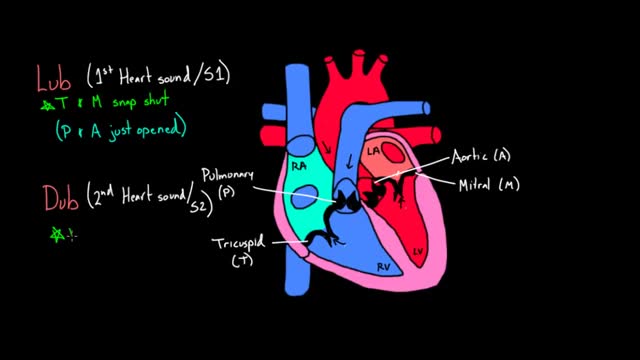
Video still from MedicalVideos.com: circulatory system
The cardiovascular system — heart, arteries, capillaries and veins — is the body's transport network, delivering oxygen, nutrients, hormones and immune cells and removing waste and heat. The heart's double pump drives two circuits in series: the pulmonary circuit to the lungs and the systemic circuit to the body. Vessels adjust their calibre constantly to prioritise flow — to muscle in exercise, to skin in heat, to the gut after meals.
Key facts
- The system moves about 7,500 litres of blood a day through roughly 100,000 km of vessels.
- It is a closed loop: the same ~5 litres circulate again and again, each circuit taking about a minute at rest.
- Blood pressure and flow are regulated beat-by-beat by vessel sensors, nerves and hormones.
- The endothelium lining all vessels is now recognised as a vast endocrine and immune organ in its own right.
What can go wrong
Cardiovascular disease — mainly atherosclerosis of arteries — remains the world's leading cause of death: heart attacks, strokes, heart failure and peripheral arterial disease. Hypertension silently damages vessels, heart, brain, kidneys and eyes. Prevention and treatment revolve around the shared risk factors: smoking, blood pressure, cholesterol, diabetes, weight, activity and diet.
Related conditions
Related procedures & tests
Related symptoms
Watch: related videos
Frequently asked questions
What is the difference between the pulmonary and systemic circuits?
The pulmonary circuit sends blood only to the lungs for gas exchange at low pressure; the systemic circuit supplies every other tissue at higher pressure — the two are driven by the right and left sides of the heart respectively.
Why is high blood pressure called the silent killer?
It usually causes no symptoms for years while damaging arteries and organs, so its first presentation may be a heart attack, stroke or kidney failure — hence screening matters.
Educational information only. This atlas explains normal anatomy and describes conditions in general terms; it is not medical advice and does not replace assessment by a qualified clinician. If you have symptoms that worry you, seek medical care.