- Physical Examination
- Surgical Examination
- Ophthalmology
- Clinical Skills
- Orthopedics
- Surgery Videos
- Laparoscopy
- Pediatrics
- Funny Videos
- Cardiothoracic Surgery
- Nursing Videos
- Plastic Surgery
- Otorhinolaryngology
- Histology and Histopathology
- Neurosurgery
- Dermatology
- Pediatric Surgery
- Urology
- Dentistry
- Oncology and Cancers
- Anatomy Videos
- Health and Fitness
- Radiology
- Anaesthesia
- Physical Therapy
- Pharmacology
- Interventional Radiology
- Cardiology
- Endocrinology
- Gynecology
- Emergency Medicine
- Psychiatry and Psychology
- Childbirth Videos
- General Medical Videos
- Nephrology
- Physiology
- Diet and Food Health
- Diabetes Mellitus
- Neurology
- Women Health
- Osteoporosis
- Gastroenterology
- Pulmonology
- Hematology
- Rheumatology
- Toxicology
- Nuclear Medicine
- Infectious Diseases
- Vascular Disease
- Reproductive Health
- Burns and Wound Healing
- Kidney Zone Podcast
- Other
Nervous System
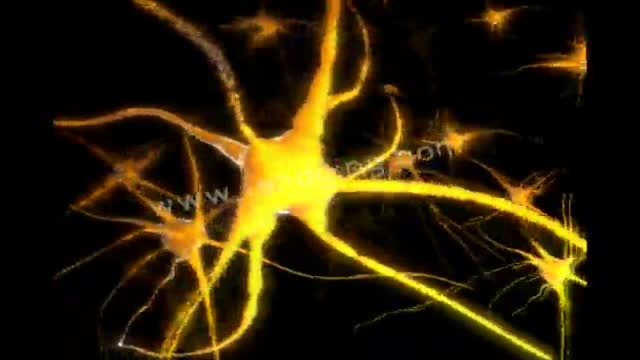
Video still from MedicalVideos.com: nervous system animation
The nervous system is the body's control and communication network: the brain and spinal cord (central nervous system) and the nerves branching everywhere (peripheral nervous system). Neurons signal electrically along their fibres and chemically across synapses, processing sensation, movement, thought, emotion and the automatic regulation of the organs (via the autonomic division). Supporting glial cells outnumber neurons and maintain their environment.
Key facts
- The brain holds about 86 billion neurons, each connecting to thousands of others.
- Signals travel at up to about 120 metres per second in the thickest myelinated fibres.
- The autonomic system runs the organs without conscious input — heart rate, gut movement, pupil size, sweating.
- Peripheral nerves can regrow slowly (about 1 mm a day) after injury if their sheaths survive; central pathways largely cannot.
What can go wrong
Nervous system diseases range from stroke and dementia to epilepsy, multiple sclerosis, Parkinson's disease, peripheral neuropathies (commonly from diabetes) and nerve entrapments such as carpal tunnel syndrome. Symptoms depend entirely on location: weakness, numbness, pain, seizures, cognitive or speech change. Diagnosis combines the clinical map of the deficit with imaging, electrical tests and fluid studies.
Related conditions
Related procedures & tests
- MRI brain scan
- EEG (electroencephalogram)
- Nerve conduction studies and EMG
- Lumbar puncture (spinal tap)
Related symptoms
Watch: related videos
Frequently asked questions
What is the difference between the central and peripheral nervous systems?
The central system is the brain and spinal cord — the processors. The peripheral system is the network of nerves carrying signals between them and the rest of the body.
What does the autonomic nervous system do?
It runs involuntary functions: its sympathetic branch prepares for action (faster heart, dilated pupils) and its parasympathetic branch manages rest, digestion and recovery.
Educational information only. This atlas explains normal anatomy and describes conditions in general terms; it is not medical advice and does not replace assessment by a qualified clinician. If you have symptoms that worry you, seek medical care.