- Physical Examination
- Surgical Examination
- Ophthalmology
- Clinical Skills
- Orthopedics
- Surgery Videos
- Laparoscopy
- Pediatrics
- Funny Videos
- Cardiothoracic Surgery
- Nursing Videos
- Plastic Surgery
- Otorhinolaryngology
- Histology and Histopathology
- Neurosurgery
- Dermatology
- Pediatric Surgery
- Urology
- Dentistry
- Oncology and Cancers
- Anatomy Videos
- Health and Fitness
- Radiology
- Anaesthesia
- Physical Therapy
- Pharmacology
- Interventional Radiology
- Cardiology
- Endocrinology
- Gynecology
- Emergency Medicine
- Psychiatry and Psychology
- Childbirth Videos
- General Medical Videos
- Nephrology
- Physiology
- Diet and Food Health
- Diabetes Mellitus
- Neurology
- Women Health
- Osteoporosis
- Gastroenterology
- Pulmonology
- Hematology
- Rheumatology
- Toxicology
- Nuclear Medicine
- Infectious Diseases
- Vascular Disease
- Reproductive Health
- Burns and Wound Healing
- Kidney Zone Podcast
- Other
Skeletal System
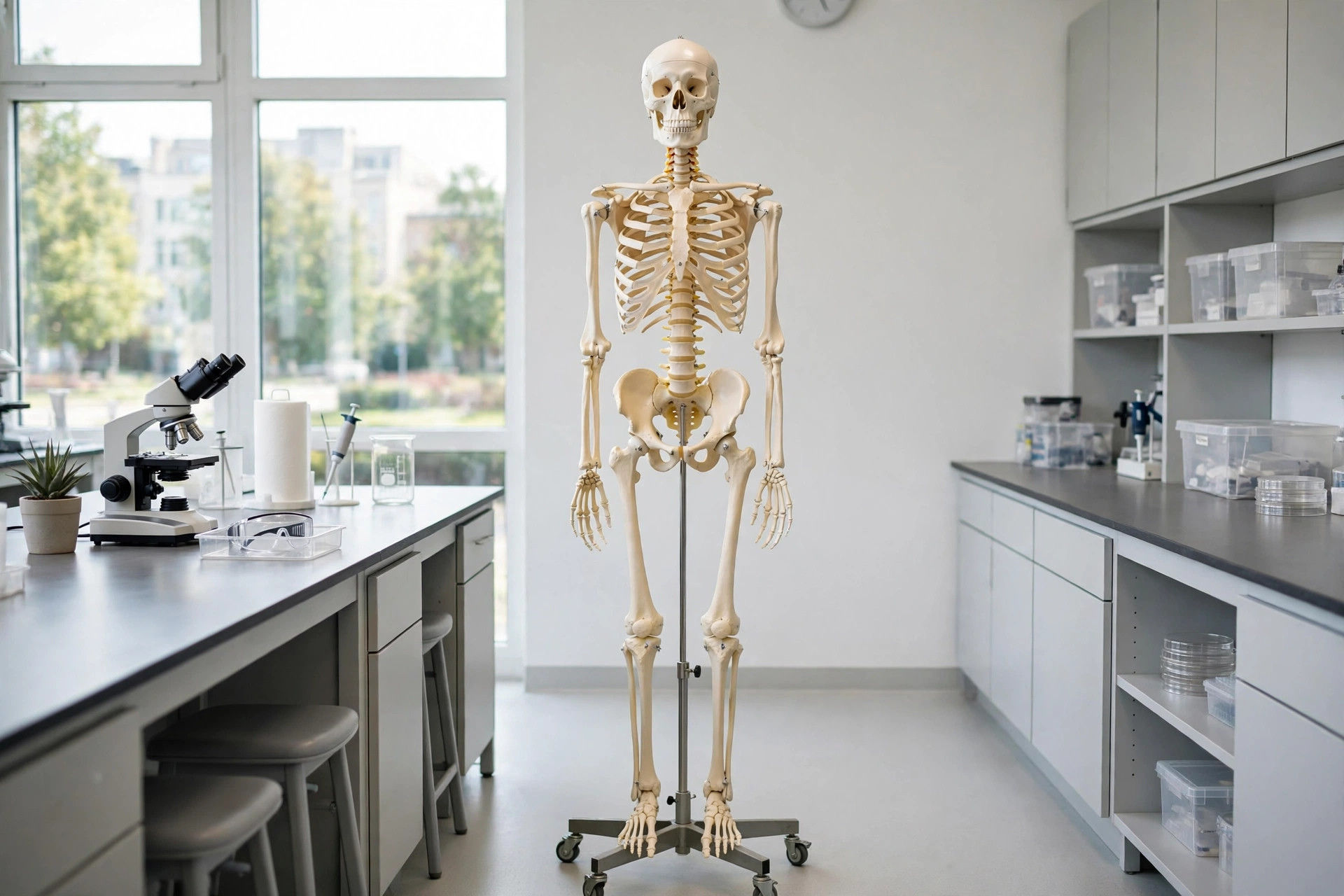
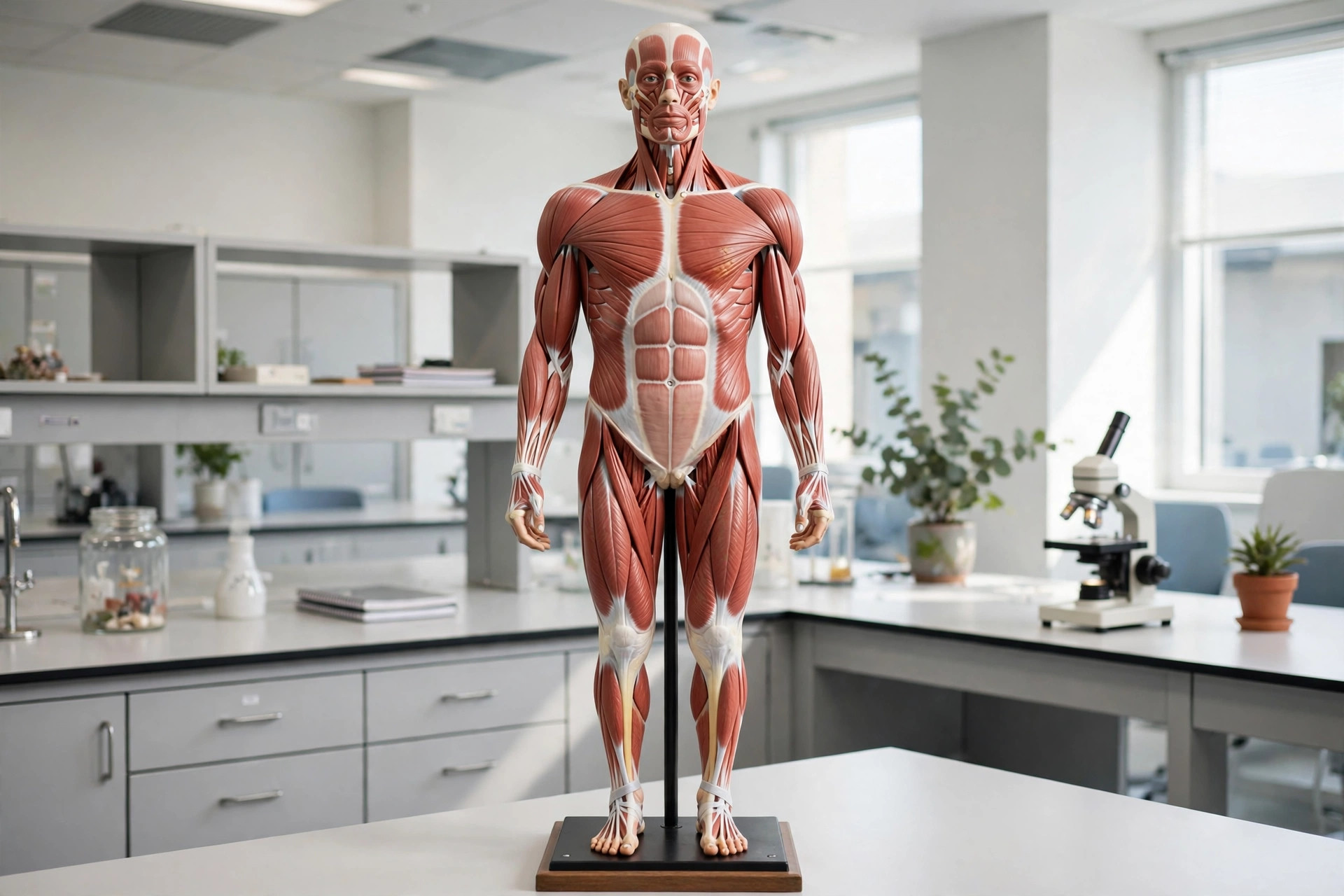
AI-generated anatomical illustration
The skeletal system comprises the 206 bones of the adult skeleton, their cartilages, joints and ligaments. It supports and shapes the body, protects the brain, heart, lungs and marrow, provides levers for movement, stores calcium and phosphate, and manufactures blood cells in the marrow. Bones are living tissue, constantly remodelled — roughly a tenth of the skeleton is renewed each year under the control of hormones and mechanical loading.
Key facts
- Babies are born with about 300 bones; many fuse into the adult 206.
- Half of all bones are in the hands and feet (106 of 206).
- Bone is a reservoir holding about 99% of the body's calcium.
- The femur is stronger per weight than concrete in compression, yet light because of its hollow, strutted design.
What can go wrong
Skeletal problems include fractures, osteoporosis (thinning that raises fracture risk, especially in older women), arthritis of its joints, bone infections, metabolic bone diseases such as rickets and Paget's disease, and cancers — primary (rare) or spread from elsewhere (common). Bone health depends on calcium, vitamin D, hormones and weight-bearing activity; density is measured by DEXA scanning.
Related conditions
Related procedures & tests
Related symptoms
Frequently asked questions
Why do bones need to remodel?
Remodelling repairs micro-damage, adapts strength to the loads placed on the bone, and releases or stores calcium to keep blood levels constant.
What is osteoporosis?
Loss of bone density and quality that makes bones fracture with minor falls; it causes no symptoms until a fracture occurs, which is why risk assessment and DEXA scanning matter.
Educational information only. This atlas explains normal anatomy and describes conditions in general terms; it is not medical advice and does not replace assessment by a qualified clinician. If you have symptoms that worry you, seek medical care.