- Physical Examination
- Surgical Examination
- Ophthalmology
- Clinical Skills
- Orthopedics
- Surgery Videos
- Laparoscopy
- Pediatrics
- Funny Videos
- Cardiothoracic Surgery
- Nursing Videos
- Plastic Surgery
- Otorhinolaryngology
- Histology and Histopathology
- Neurosurgery
- Dermatology
- Pediatric Surgery
- Urology
- Dentistry
- Oncology and Cancers
- Anatomy Videos
- Health and Fitness
- Radiology
- Anaesthesia
- Physical Therapy
- Pharmacology
- Interventional Radiology
- Cardiology
- Endocrinology
- Gynecology
- Emergency Medicine
- Psychiatry and Psychology
- Childbirth Videos
- General Medical Videos
- Nephrology
- Physiology
- Diet and Food Health
- Diabetes Mellitus
- Neurology
- Women Health
- Osteoporosis
- Gastroenterology
- Pulmonology
- Hematology
- Rheumatology
- Toxicology
- Nuclear Medicine
- Infectious Diseases
- Vascular Disease
- Reproductive Health
- Burns and Wound Healing
- Kidney Zone Podcast
- Other
Cornea
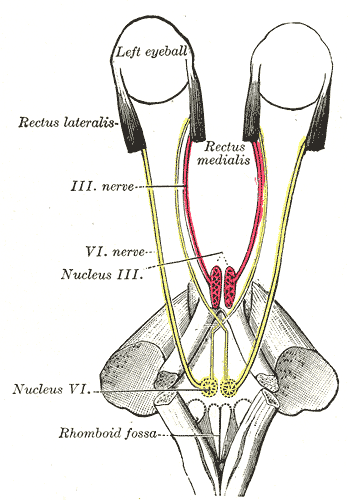
Gray's Anatomy (1918) plate, public domain
The cornea is the clear, dome-shaped front window of the eye, about 11-12 mm across, continuous with the white sclera. It provides most of the eye's focusing power — around two-thirds — by bending incoming light, and it shields the eye while letting light through. It has no blood vessels, drawing oxygen directly from the air and nutrients from the tears and aqueous fluid; its inner cell layer (endothelium) pumps it clear of excess water.
Key facts
- The cornea contributes roughly 43 dioptres of the eye's total ~60 dioptres of focusing power.
- It is among the most densely nerve-supplied tissues in the body, hence exquisitely sensitive to touch and injury.
- Its endothelial cells do not regenerate meaningfully — the pump cells you have must last a lifetime.
- Regular curvature is essential: even slight distortion bends light unevenly (astigmatism).
What can go wrong
Corneal problems include infections (keratitis — a sight-threatening emergency in contact lens wearers), injuries and scratches, shape disorders such as keratoconus (progressive thinning and bulging causing distorted vision), and endothelial failure (Fuchs' dystrophy) causing clouding in later life. Many are treated with transplantation of donor cornea tissue — a graft that usually needs no tissue matching because the cornea has no blood supply.
Related conditions
Related procedures & tests
Related symptoms
Watch: related videos
Frequently asked questions
Why does a corneal scratch hurt so much?
The cornea has one of the densest pain-fibre supplies of any tissue, so even a tiny abrasion triggers intense pain, watering and light sensitivity — a protective alarm.
What is keratoconus?
A usually teenage-onset condition where the cornea thins and bulges into a cone, distorting vision; progression can be halted with a strengthening treatment (cross-linking) in many cases.
Educational information only. This atlas explains normal anatomy and describes conditions in general terms; it is not medical advice and does not replace assessment by a qualified clinician. If you have symptoms that worry you, seek medical care.