- Physical Examination
- Surgical Examination
- Ophthalmology
- Clinical Skills
- Orthopedics
- Surgery Videos
- Laparoscopy
- Pediatrics
- Funny Videos
- Cardiothoracic Surgery
- Nursing Videos
- Plastic Surgery
- Otorhinolaryngology
- Histology and Histopathology
- Neurosurgery
- Dermatology
- Pediatric Surgery
- Urology
- Dentistry
- Oncology and Cancers
- Anatomy Videos
- Health and Fitness
- Radiology
- Anaesthesia
- Physical Therapy
- Pharmacology
- Interventional Radiology
- Cardiology
- Endocrinology
- Gynecology
- Emergency Medicine
- Psychiatry and Psychology
- Childbirth Videos
- General Medical Videos
- Nephrology
- Physiology
- Diet and Food Health
- Diabetes Mellitus
- Neurology
- Women Health
- Osteoporosis
- Gastroenterology
- Pulmonology
- Hematology
- Rheumatology
- Toxicology
- Nuclear Medicine
- Infectious Diseases
- Vascular Disease
- Reproductive Health
- Burns and Wound Healing
- Kidney Zone Podcast
- Other
Endocrine System
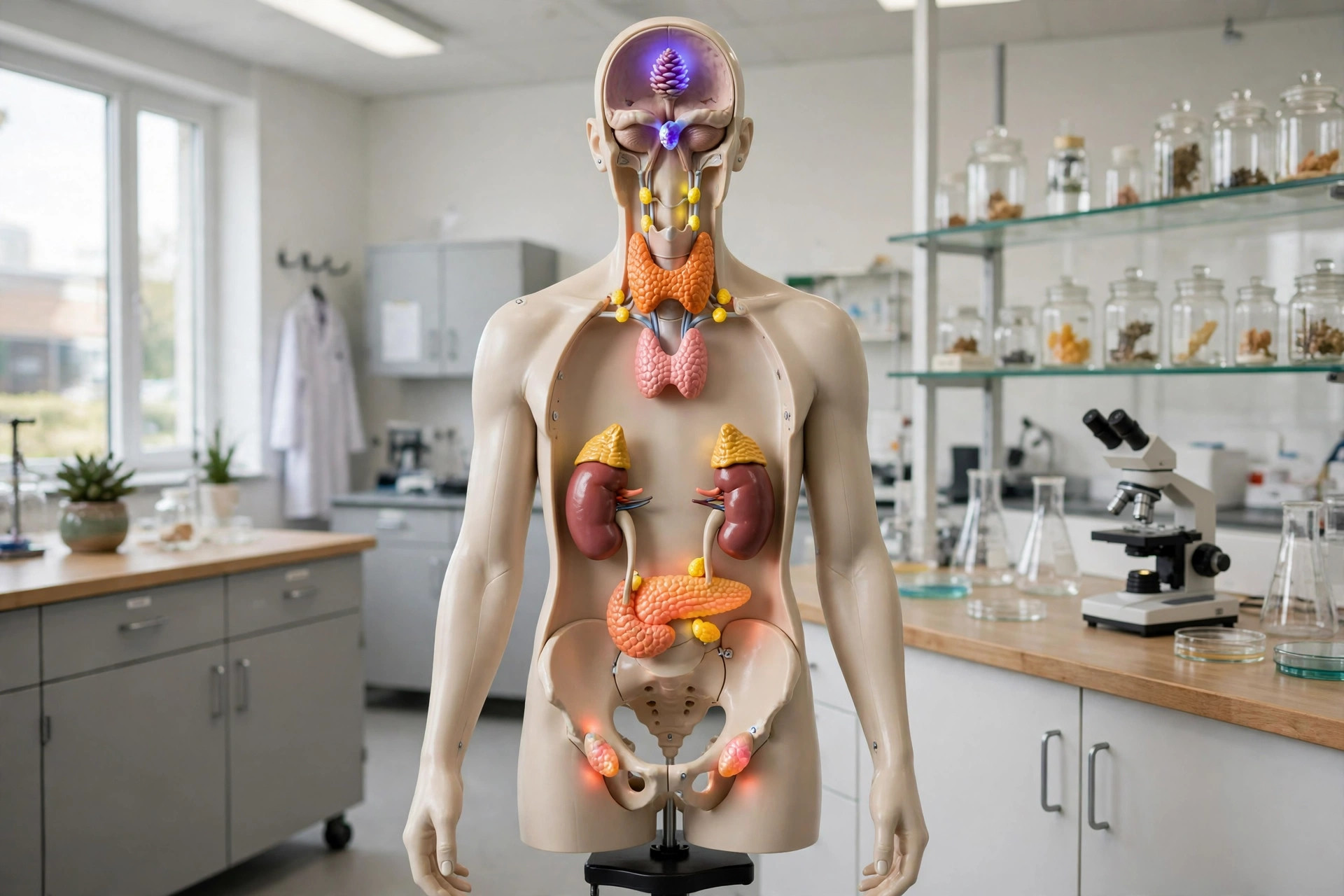
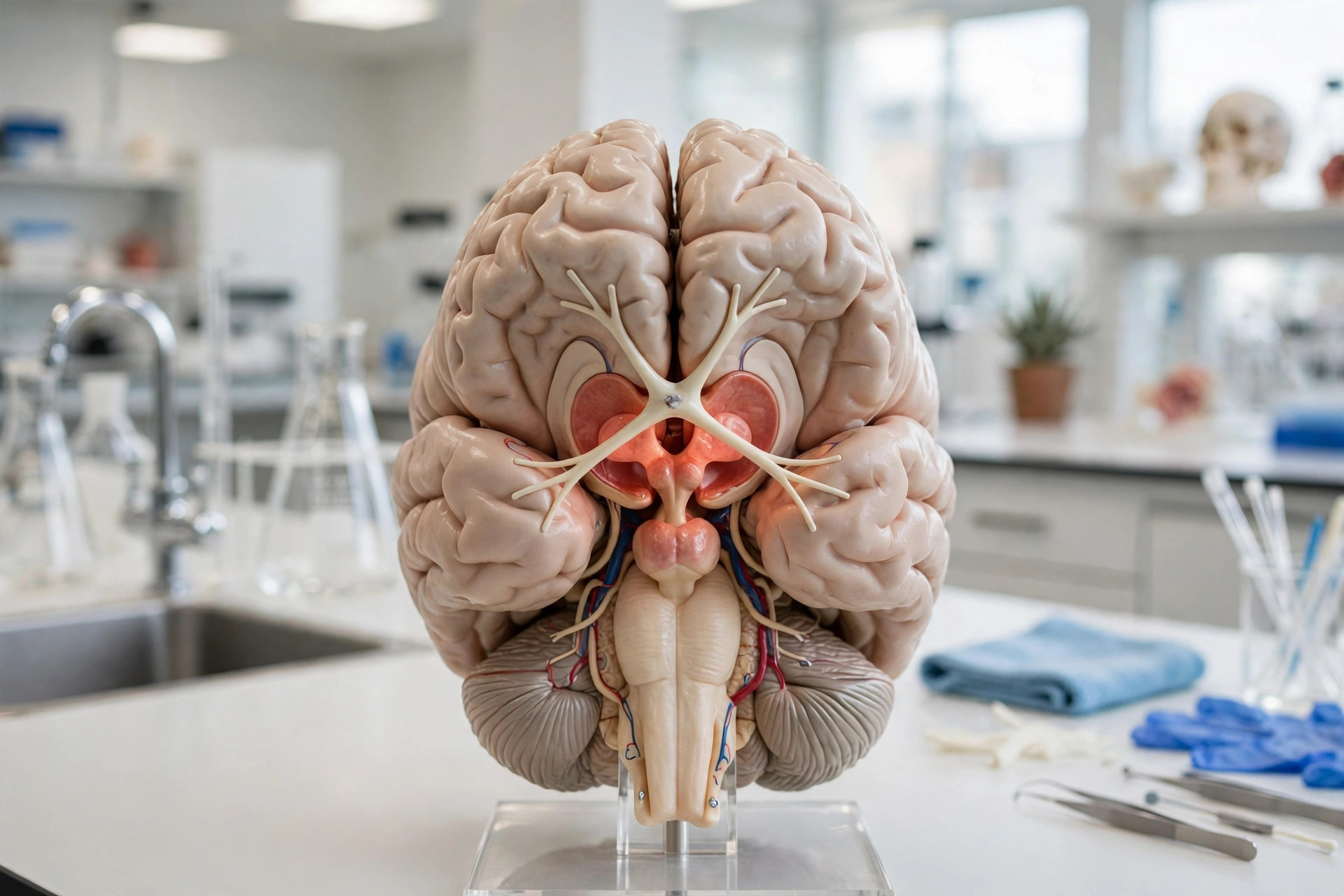
AI-generated anatomical illustration
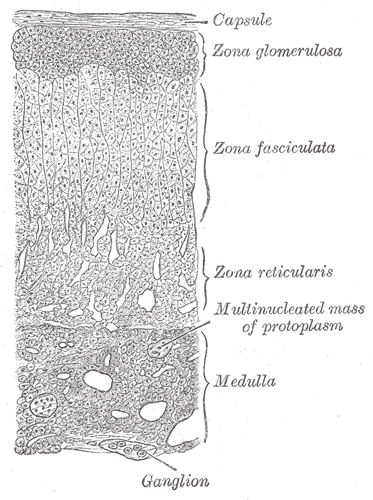
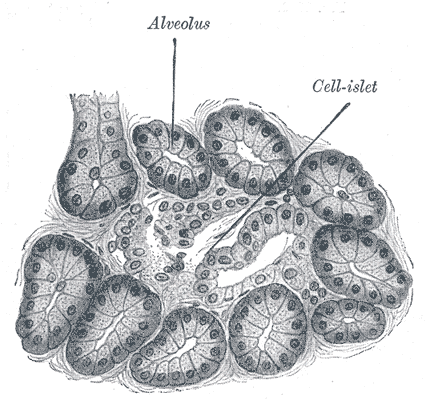
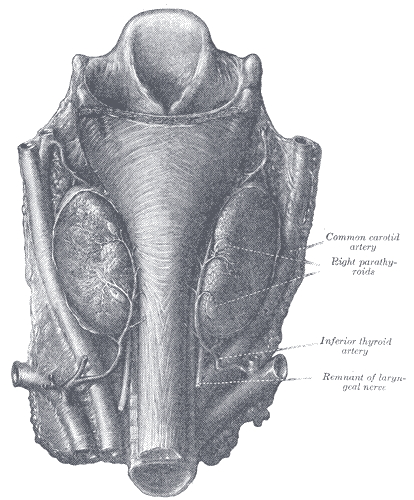
The endocrine system is the network of ductless glands that release hormones into the blood: hypothalamus and pituitary, pineal, thyroid and parathyroids, adrenals, pancreatic islets, ovaries and testes, plus hormone-making tissues in the gut, kidneys, heart and fat. Hormones are chemical messengers that regulate growth, metabolism, reproduction, stress responses, fluid balance and mood, mostly through feedback loops that keep levels stable.
Key facts
- Hormones act at vanishingly low concentrations — some are measured in trillionths of a gram per litre.
- Negative feedback is the system's master principle: the product of a gland switches off its own driving signal.
- Many hormones follow rhythms — cortisol peaks at dawn, melatonin at night, reproductive hormones monthly.
- Hormone receptors sit on or inside target cells, so the same hormone can have different effects in different tissues.
What can go wrong
Endocrine disease usually means too much or too little of a hormone, or resistance to it: thyroid disorders, diabetes, adrenal and pituitary disease, parathyroid calcium problems and sex-hormone disorders are the commonest. Symptoms are often non-specific — fatigue, weight change, thirst — so diagnosis leans on targeted blood tests interpreted with the feedback loops in mind.
Related conditions
Related procedures & tests
Related symptoms
Frequently asked questions
How are hormones different from nerves?
Nerves deliver fast, targeted electrical signals; hormones travel in the blood more slowly but act widely and for longer, coordinating whole-body states like growth and stress.
Why are so many hormone tests done at specific times?
Because many hormones pulse or follow daily rhythms, a level is interpretable only against the time of day and the state of its feedback loop.
Educational information only. This atlas explains normal anatomy and describes conditions in general terms; it is not medical advice and does not replace assessment by a qualified clinician. If you have symptoms that worry you, seek medical care.