- Physical Examination
- Surgical Examination
- Ophthalmology
- Clinical Skills
- Orthopedics
- Surgery Videos
- Laparoscopy
- Pediatrics
- Funny Videos
- Cardiothoracic Surgery
- Nursing Videos
- Plastic Surgery
- Otorhinolaryngology
- Histology and Histopathology
- Neurosurgery
- Dermatology
- Pediatric Surgery
- Urology
- Dentistry
- Oncology and Cancers
- Anatomy Videos
- Health and Fitness
- Radiology
- Anaesthesia
- Physical Therapy
- Pharmacology
- Interventional Radiology
- Cardiology
- Endocrinology
- Gynecology
- Emergency Medicine
- Psychiatry and Psychology
- Childbirth Videos
- General Medical Videos
- Nephrology
- Physiology
- Diet and Food Health
- Diabetes Mellitus
- Neurology
- Women Health
- Osteoporosis
- Gastroenterology
- Pulmonology
- Hematology
- Rheumatology
- Toxicology
- Nuclear Medicine
- Infectious Diseases
- Vascular Disease
- Reproductive Health
- Burns and Wound Healing
- Kidney Zone Podcast
- Other
Frontal Lobe
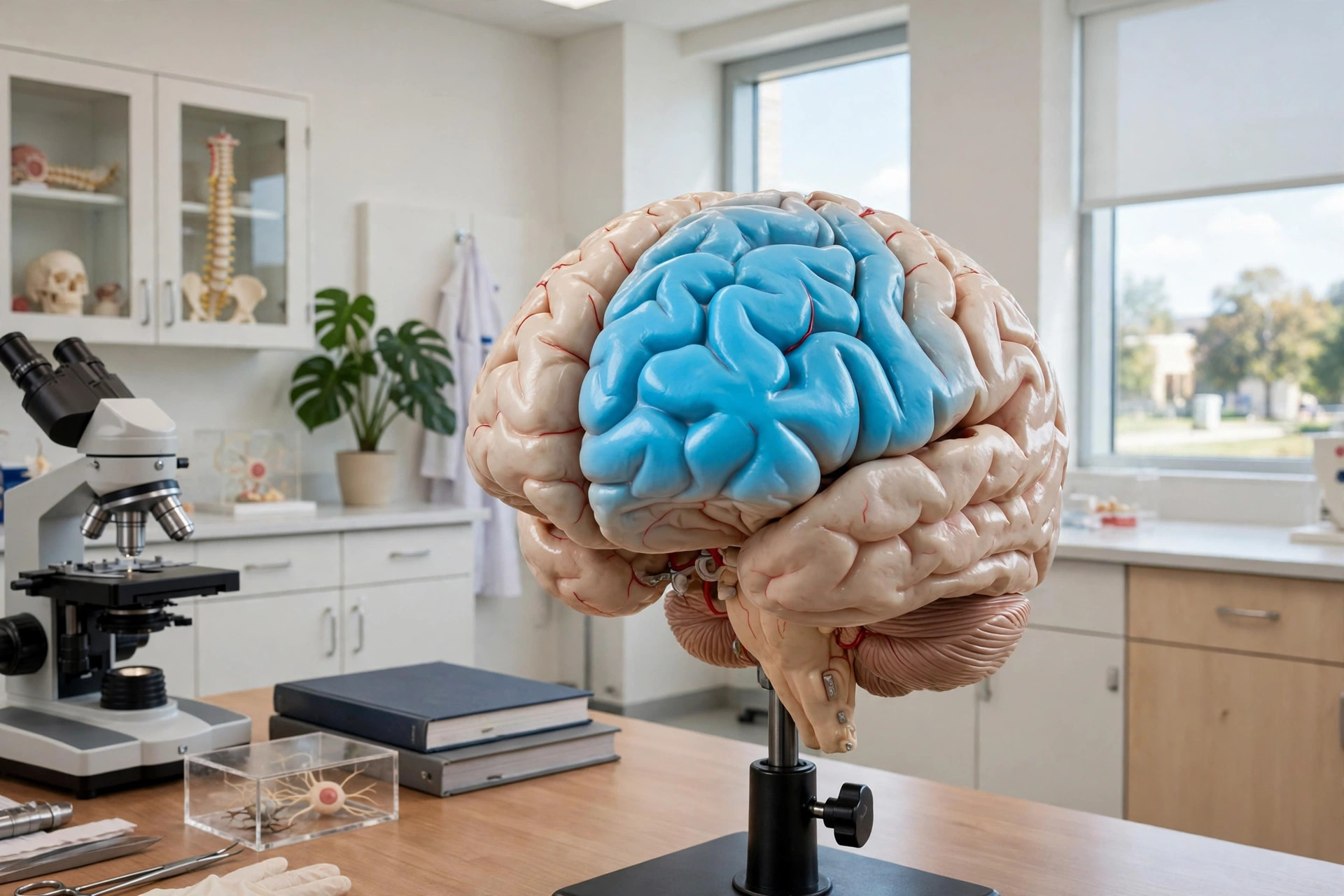
AI-generated anatomical illustration
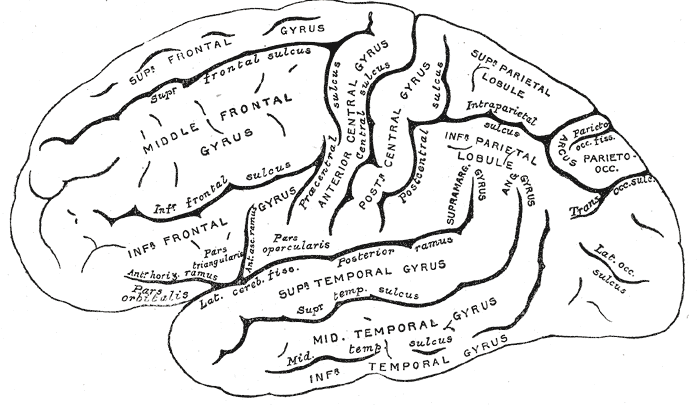
The frontal lobe, the largest lobe, occupies the front third of each cerebral hemisphere, behind the forehead. Its rear strip is the primary motor cortex that moves the opposite side of the body; the rest handles planning, decision-making, social behaviour, personality and (usually on the left) the production of speech (Broca's area). It is the last region to mature fully, continuing development into the mid-twenties.
Key facts
- The motor cortex maps the body upside down — feet at the top, face at the bottom — with enlarged areas for the hands and face.
- The prefrontal cortex is the brain's executive: it weighs consequences and suppresses impulses.
- Damage can change personality while leaving intelligence and memory outwardly intact.
- Broca's area, usually left-sided, turns thoughts into the motor programmes of speech.
What can go wrong
Frontal lobe problems arise from strokes, tumours, head injury and dementias (notably frontotemporal dementia). Effects include weakness on the opposite side, personality and behaviour change, poor planning, loss of social inhibition, and — on the dominant side — effortful, broken speech. Because changes can be subtle and behavioural, families often notice them before scans do.
Related conditions
Related procedures & tests
Related symptoms
Frequently asked questions
Why is the frontal lobe linked to personality?
Its prefrontal regions integrate emotion, social rules and foresight; injury there can release impulsive behaviour and blunt judgement — famously described after Phineas Gage's 1848 injury.
What is Broca's aphasia?
Difficulty producing fluent speech after damage to Broca's area: understanding is relatively preserved but speaking is slow and effortful, with short, telegraphic phrases.
Educational information only. This atlas explains normal anatomy and describes conditions in general terms; it is not medical advice and does not replace assessment by a qualified clinician. If you have symptoms that worry you, seek medical care.