- Physical Examination
- Surgical Examination
- Ophthalmology
- Clinical Skills
- Orthopedics
- Surgery Videos
- Laparoscopy
- Pediatrics
- Funny Videos
- Cardiothoracic Surgery
- Nursing Videos
- Plastic Surgery
- Otorhinolaryngology
- Histology and Histopathology
- Neurosurgery
- Dermatology
- Pediatric Surgery
- Urology
- Dentistry
- Oncology and Cancers
- Anatomy Videos
- Health and Fitness
- Radiology
- Anaesthesia
- Physical Therapy
- Pharmacology
- Interventional Radiology
- Cardiology
- Endocrinology
- Gynecology
- Emergency Medicine
- Psychiatry and Psychology
- Childbirth Videos
- General Medical Videos
- Nephrology
- Physiology
- Diet and Food Health
- Diabetes Mellitus
- Neurology
- Women Health
- Osteoporosis
- Gastroenterology
- Pulmonology
- Hematology
- Rheumatology
- Toxicology
- Nuclear Medicine
- Infectious Diseases
- Vascular Disease
- Reproductive Health
- Burns and Wound Healing
- Kidney Zone Podcast
- Other
Thalamus and Hypothalamus
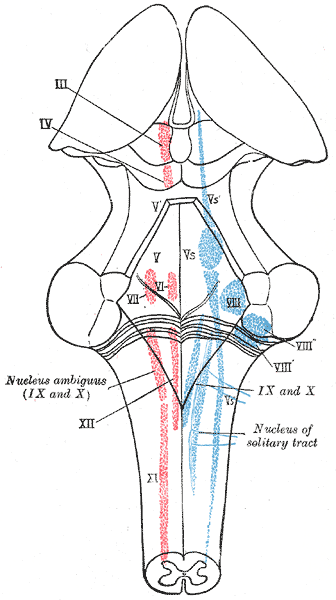
Gray's Anatomy (1918) plate, public domain
The thalamus and hypothalamus sit deep in the centre of the brain. The thalamus is a pair of egg-shaped relay stations through which almost all sensory information passes on its way to the cortex, and it helps regulate alertness. Beneath it, the small hypothalamus runs the body's basic drives — temperature, hunger, thirst, sleep and hormone control via the pituitary gland.
Key facts
- Almost every sense is relayed through the thalamus — except smell.
- The hypothalamus weighs only about 4 grams but governs many drives.
- It links the nervous system to the hormone system through the pituitary.
- The hypothalamus contains the body's thermostat and its body clock.
- Pain signals pass through the thalamus, which is why thalamic strokes can alter pain perception.
What can go wrong
Thalamic strokes can cause combinations of numbness, weakness and altered pain sensitivity on one side of the body. Hypothalamic problems are rarer and show up as disturbances of temperature, appetite, sleep or hormone levels — for example abnormal thirst and urine output when its antidiuretic hormone control is disturbed.
Related conditions
Related procedures & tests
Related symptoms
Watch: related videos
Frequently asked questions
Why does smell bypass the thalamus?
Smell is the most ancient sense and its pathway evolved before the thalamic relay system — olfactory signals reach the cortex and the emotion-related limbic areas more directly, which may be why smells evoke memories so powerfully.
How does the hypothalamus control hormones?
It releases tiny amounts of regulatory hormones into a private blood supply to the pituitary gland, instructing it to release (or stop releasing) its own hormones — a command chain for growth, thyroid, adrenal and reproductive function.
Educational information only. This atlas explains normal anatomy and describes conditions in general terms; it is not medical advice and does not replace assessment by a qualified clinician. If you have symptoms that worry you, seek medical care.