
- Physical Examination
- Surgical Examination
- Ophthalmology
- Clinical Skills
- Orthopedics
- Surgery Videos
- Laparoscopy
- Pediatrics
- Funny Videos
- Cardiothoracic Surgery
- Nursing Videos
- Plastic Surgery
- Otorhinolaryngology
- Histology and Histopathology
- Neurosurgery
- Dermatology
- Pediatric Surgery
- Urology
- Dentistry
- Oncology and Cancers
- Anatomy Videos
- Health and Fitness
- Radiology
- Anaesthesia
- Physical Therapy
- Pharmacology
- Interventional Radiology
- Cardiology
- Endocrinology
- Gynecology
- Emergency Medicine
- Psychiatry and Psychology
- Childbirth Videos
- General Medical Videos
- Nephrology
- Physiology
- Diet and Food Health
- Diabetes Mellitus
- Neurology
- Women Health
- Osteoporosis
- Gastroenterology
- Pulmonology
- Hematology
- Rheumatology
- Toxicology
- Nuclear Medicine
- Infectious Diseases
- Vascular Disease
- Reproductive Health
- Burns and Wound Healing
- Kidney Zone Podcast
- Other
Diabetic Retinopathy
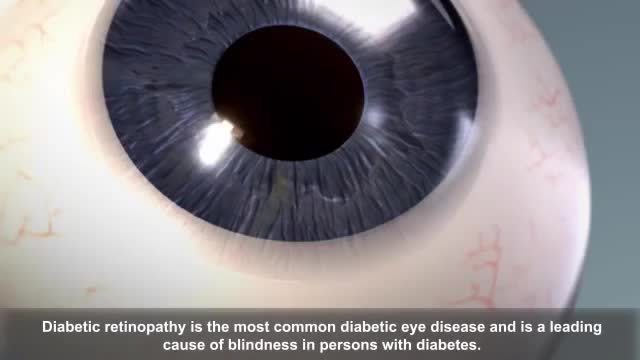
Diabetic retinopathy is an eye condition in which long-term high blood sugar damages the small blood vessels of the retina, the light-sensitive layer at the back of the eye. This page explains its symptoms, causes, and treatment in plain language, with videos to help you follow the key points.
✓ Medically reviewed by Dr. Mohamed Ibrahim, MD, PhD — physician-scientist · Last reviewed: November 2026
In short: Diabetic retinopathy usually causes no symptoms in its early stages, which is why regular eye screening for everyone with diabetes is essential. As it advances it can blur or patch vision, and untreated it can cause permanent sight loss. Careful control of blood sugar, blood pressure, and cholesterol slows its progress.
Watch: Diabetic Retinopathy videos

Read: the plain-language guide
Overview
The retina needs a healthy blood supply to convert light into vision. Over years, high blood sugar weakens its tiny vessels, which may leak fluid or blood, close off, or, in advanced disease, trigger the growth of new fragile vessels that bleed and scar. Swelling of the central retina, the macula, is called diabetic macular oedema and affects detailed vision. Retinopathy develops gradually and in stages, from mild background changes to sight-threatening disease, which is why structured screening exists.
Symptoms
Early diabetic retinopathy has no symptoms, and vision can feel completely normal while damage is under way. Later signs include blurred or fluctuating vision, new floaters, dark or empty patches in your sight, difficulty seeing at night or distinguishing colours, and, if a fragile vessel bleeds into the eye, a sudden shower of floaters or abrupt loss of vision. Any sudden change in vision in a person with diabetes should be treated as urgent.
Causes & risk factors
The underlying cause is prolonged exposure of the retinal vessels to high blood sugar. The risk rises the longer you have diabetes and is increased further by high blood pressure, high cholesterol, smoking, and kidney disease, all of which strain small blood vessels. Pregnancy can accelerate retinopathy in women who already have diabetes, so eye checks are stepped up during pregnancy. Keeping glucose, blood pressure, and cholesterol controlled is the most effective way to slow the condition.
How it's diagnosed
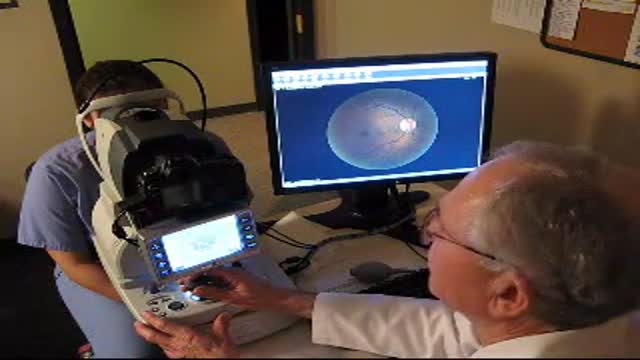
Retinopathy is detected through regular eye screening offered to everyone with diabetes, using photographs of the retina taken after drops widen the pupil. Screening grades the changes and sets the interval until the next check or referral. In eye clinics, a scan called OCT measures swelling of the macula in fine detail, and dye-based imaging is occasionally used to map leaking vessels. Because early disease is silent, screening attendance matters more than symptoms in finding it in time.
Treatment overview
In the early stages no eye procedure is needed; treatment is tighter control of blood sugar, blood pressure, and cholesterol, with monitoring. Advanced disease is treated in eye clinics with laser treatment to seal leaking vessels or shrink abnormal new ones, injections into the eye of medicines that reduce vessel growth and swelling, and, for bleeding or scar tissue that does not clear, an operation called vitrectomy to remove the gel inside the eye. Treatment preserves remaining sight rather than restoring what is lost, so timing matters.
When to seek care
Get same-day eye assessment for sudden loss of vision, a sudden shower of floaters, or a shadow or curtain spreading across your sight. Keep every screening appointment even when your vision feels normal, and tell your diabetes team promptly about any gradual change in your eyesight.
Frequently asked questions
Can diabetic retinopathy be reversed?
Early changes can stabilise and sometimes improve with tighter control of blood sugar, blood pressure, and cholesterol. Established damage, however, is usually managed rather than reversed, and clinic treatments aim to protect the sight you still have, which is why early detection is so valuable.
How often should people with diabetes have eye screening?
Regularly, as invited by your screening service — typically every year, with the interval adjusted according to your results. Screening is offered to everyone with diabetes whether or not they have symptoms, and attending when your vision feels fine is exactly when it helps most.
Do injections into the eye hurt?
The eye is numbed with drops beforehand, so most people feel pressure rather than pain during the brief injection. A course usually involves several injections over time, and the clinic monitors the retina between them to judge the response.
If my vision is normal, can I skip screening?
No. Diabetic retinopathy can reach an advanced stage before it affects vision, and treatment works best when started early. A normal-feeling eye is precisely the case screening is designed for, so keep your appointments even when nothing seems wrong.
More in Eyes & Ears
Related topics on MedicalVideos.com
Sources & further reading
Authoritative references for readers who want to go deeper:
This page is for general education only and is not medical advice. Sudden vision loss, a shower of new floaters, or a shadow over your sight needs same-day eye assessment — do not wait for your next screening appointment.