
- Physical Examination
- Surgical Examination
- Ophthalmology
- Clinical Skills
- Orthopedics
- Surgery Videos
- Laparoscopy
- Pediatrics
- Funny Videos
- Cardiothoracic Surgery
- Nursing Videos
- Plastic Surgery
- Otorhinolaryngology
- Histology and Histopathology
- Neurosurgery
- Dermatology
- Pediatric Surgery
- Urology
- Dentistry
- Oncology and Cancers
- Anatomy Videos
- Health and Fitness
- Radiology
- Anaesthesia
- Physical Therapy
- Pharmacology
- Interventional Radiology
- Cardiology
- Endocrinology
- Gynecology
- Emergency Medicine
- Psychiatry and Psychology
- Childbirth Videos
- General Medical Videos
- Nephrology
- Physiology
- Diet and Food Health
- Diabetes Mellitus
- Neurology
- Women Health
- Osteoporosis
- Gastroenterology
- Pulmonology
- Hematology
- Rheumatology
- Toxicology
- Nuclear Medicine
- Infectious Diseases
- Vascular Disease
- Reproductive Health
- Burns and Wound Healing
- Kidney Zone Podcast
- Other
Ear Infection (Otitis Media)
An ear infection, known medically as otitis media, is inflammation and fluid build-up in the middle ear, usually following a cold, and it is especially common in young children. This page explains its symptoms, causes, and treatment in plain language, with videos to help you follow the key points.
✓ Medically reviewed by Dr. Mohamed Ibrahim, MD, PhD — physician-scientist · Last reviewed: November 2026
In short: Most middle-ear infections settle on their own within a few days as the body clears them. Earache, fever, and temporarily muffled hearing are the main features, and pain relief is the mainstay of early care. Antibiotics are not always needed, but very young babies, severe cases, and infections that are not improving need medical review.
Watch: Ear Infection (Otitis Media) videos


Read: the plain-language guide
Overview
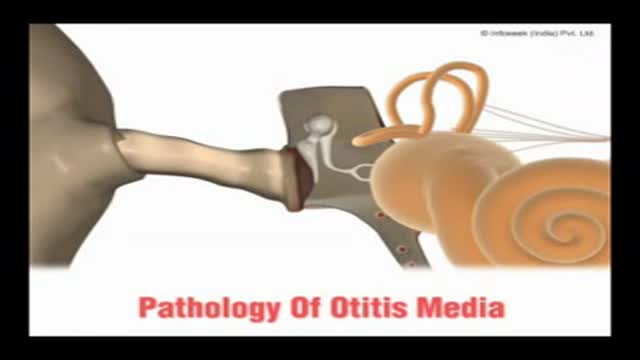
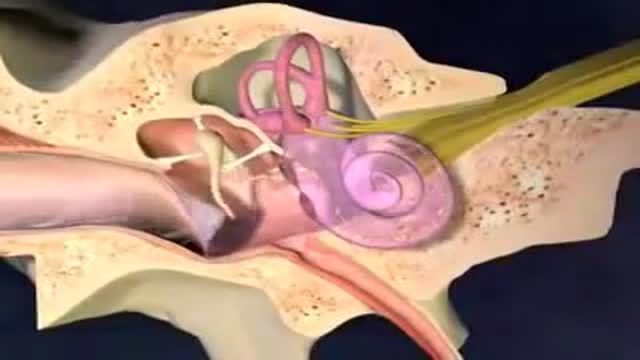
The middle ear is the small air-filled space behind the eardrum, connected to the back of the nose by the Eustachian tube. When a cold swells and blocks that tube, fluid collects in the space and can become infected by viruses or bacteria. Children are prone to this because their tubes are shorter and more level, so fluid drains poorly. Fluid that lingers after infection without active illness is called glue ear and mainly affects hearing.
Symptoms
The hallmark symptoms are earache, fever, and hearing that sounds muffled on the affected side. Young children may be irritable, cry more than usual, sleep poorly, pull at the ear, or go off their food, which can make the condition hard to spot before they can describe pain. Sometimes the eardrum bursts under pressure, releasing discharge, after which the pain often eases. Dizziness or unsteadiness can occur because the balance organ sits in the inner ear nearby.
Causes & risk factors
Most episodes begin with a viral cold that blocks the Eustachian tube; bacteria may then infect the trapped fluid, though viruses alone can also cause otitis media. Being a young child is the biggest risk factor. Group childcare, exposure to tobacco smoke, allergies, and feeding lying flat with a bottle are all linked with more frequent infections. Dummy use beyond early infancy may also contribute. Ear infections are not caught directly, but the colds that trigger them spread easily.
How it's diagnosed
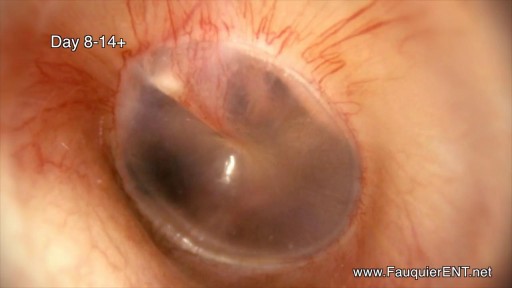
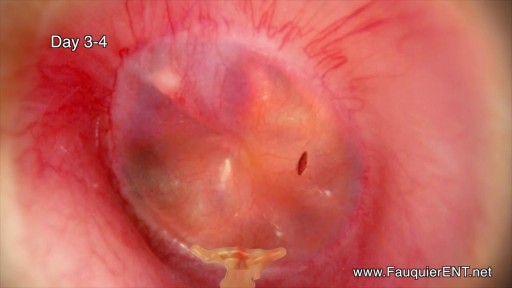
A clinician diagnoses otitis media by asking about symptoms and looking into the ear with an otoscope, where an infected middle ear typically shows a red, bulging eardrum with fluid behind it. Examination also checks whether the eardrum has perforated and whether infection is spreading to the bone behind the ear. If fluid and hearing loss persist for months after the infection clears, hearing tests and sometimes referral to an ear, nose, and throat specialist follow.
Treatment overview
Most infections improve within a few days without antibiotics, so treatment begins with pain relief suitable for the patient's age, fluids, and rest. Doctors reserve antibiotics for very young babies, severe illness, discharge from the ear, or infections not improving after a few days, because many cases are viral and antibiotics carry side effects. Recurrent infections, or glue ear with hearing loss that affects speech and learning, may lead to a specialist placing tiny ventilation tubes, called grommets, in the eardrum.
When to seek care
Seek prompt medical advice for babies in the first months of life with fever, severe ear pain, discharge from the ear, or an infection not improving after a few days. Get urgent care for swelling, redness, or tenderness behind the ear, a stiff neck, severe headache, or drowsiness with fever, which can signal the infection spreading.
Frequently asked questions
Do all ear infections need antibiotics?
No. Many ear infections are caused by viruses or clear on their own within a few days, so doctors often start with pain relief and review. Antibiotics are used for very young babies, severe symptoms, ear discharge, or cases that are not improving.
Can an ear infection damage hearing permanently?
Usually hearing is only temporarily muffled by the fluid and returns to normal as it drains. Fluid that persists for months, called glue ear, is monitored because ongoing hearing loss in young children can affect speech and learning, and may need specialist treatment.
Why do children get more ear infections than adults?
Because a child's Eustachian tubes are shorter, narrower, and more horizontal, so they block more easily and drain fluid less effectively. Children also catch more colds, and each cold is an opportunity for fluid to collect behind the eardrum.
What are grommets?
Grommets are tiny tubes placed in the eardrum during a short operation under anaesthetic. They ventilate the middle ear and let fluid drain, and are used for recurrent infections or persistent glue ear with hearing loss. They usually fall out on their own over time.
More in Eyes & Ears
Related topics on MedicalVideos.com
Sources & further reading
Authoritative references for readers who want to go deeper:
This page is for general education only and is not medical advice. Swelling, redness, or tenderness behind the ear with fever after an ear infection can signal the infection spreading into the bone, and it needs urgent medical care.