
- Physical Examination
- Surgical Examination
- Ophthalmology
- Clinical Skills
- Orthopedics
- Surgery Videos
- Laparoscopy
- Pediatrics
- Funny Videos
- Cardiothoracic Surgery
- Nursing Videos
- Plastic Surgery
- Otorhinolaryngology
- Histology and Histopathology
- Neurosurgery
- Dermatology
- Pediatric Surgery
- Urology
- Dentistry
- Oncology and Cancers
- Anatomy Videos
- Health and Fitness
- Radiology
- Anaesthesia
- Physical Therapy
- Pharmacology
- Interventional Radiology
- Cardiology
- Endocrinology
- Gynecology
- Emergency Medicine
- Psychiatry and Psychology
- Childbirth Videos
- General Medical Videos
- Nephrology
- Physiology
- Diet and Food Health
- Diabetes Mellitus
- Neurology
- Women Health
- Osteoporosis
- Gastroenterology
- Pulmonology
- Hematology
- Rheumatology
- Toxicology
- Nuclear Medicine
- Infectious Diseases
- Vascular Disease
- Reproductive Health
- Burns and Wound Healing
- Kidney Zone Podcast
- Other
Tonsillitis
Tonsillitis is inflammation of the tonsils, the two lumps of tissue at the back of the throat that help trap germs entering through the mouth and nose. This page explains its symptoms, causes, and treatment in plain language, with videos to help you follow the key points.
✓ Medically reviewed by Dr. Mohamed Ibrahim, MD, PhD — physician-scientist · Last reviewed: November 2026
In short: Tonsillitis causes a sore throat, painful swallowing, fever, and swollen tonsils that may be coated with white spots. Most cases are viral and settle within about a week with rest, fluids, and pain relief. Antibiotics help only when bacteria are the cause, and tonsil removal is reserved for frequent, severe attacks.
Watch: Tonsillitis videos




Read: the plain-language guide
Overview
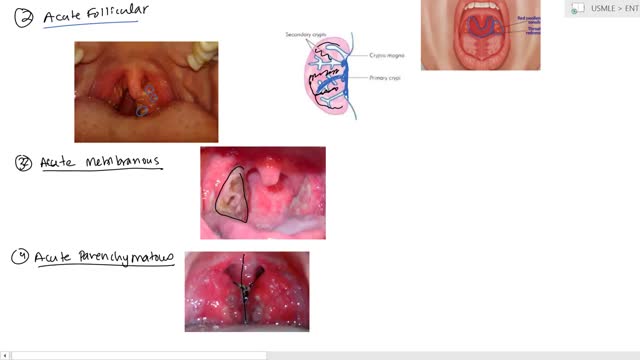
The tonsils are part of the immune system and are busiest in childhood, shrinking somewhat after puberty. When viruses or bacteria infect the tonsils themselves, they become swollen, red, and painful. Tonsillitis is most common in children and teenagers but occurs in adults too. Most episodes are caused by the same viruses that cause colds; the important bacterial cause is group A streptococcus, which doctors try to identify because it responds to antibiotics and, untreated, can occasionally lead to complications.
Symptoms
The main symptoms are a sore throat and painful swallowing, with fever, swollen and red tonsils that may show white patches, tender swollen glands in the neck, headache, and bad breath. Pain is sometimes felt in the ears even though the ears themselves are normal, because the throat and ears share nerve pathways. Young children may refuse food, drool, or simply seem unwell and feverish without being able to describe a sore throat.
Causes & risk factors
Viruses cause most cases, including common cold viruses and the virus behind glandular fever. Bacterial tonsillitis is most often due to group A streptococcus. The infections spread through droplets from coughs and sneezes and through close contact, which is why tonsillitis moves quickly through schools and households. Having had tonsillitis before does not protect against getting it again, as several different germs can cause it.
How it's diagnosed
Diagnosis starts with examination of the throat and neck and questions about fever, cough, and contacts. Certain patterns, such as fever, white patches, and tender neck glands without a cough, make a bacterial cause more likely. A throat swab, either a rapid test or a laboratory culture, can confirm streptococcus when the result would change treatment. If glandular fever is suspected, for example with marked tiredness and widespread swollen glands, a blood test may be arranged.
Treatment overview
Most tonsillitis settles with rest, plenty of fluids, and pain relievers, and viral cases do not benefit from antibiotics. When a bacterial cause is likely or confirmed, your doctor may prescribe antibiotics to shorten the illness and reduce complications. Surgery to remove the tonsils, called tonsillectomy, is considered when attacks are frequent, severe, and disruptive despite treatment, or when complications such as an abscess beside the tonsil have occurred. The decision is made with a specialist, weighing attack frequency against the risks of surgery.
When to seek care
Get urgent help for difficulty breathing, drooling because you cannot swallow saliva, inability to open the mouth fully, or severe swelling on one side of the throat, which can indicate an abscess. Arrange prompt review for dehydration, a rash with the sore throat, or symptoms not improving after several days.
Frequently asked questions
Is tonsillitis contagious?
Yes. The viruses and bacteria that cause tonsillitis spread through coughs, sneezes, and close contact, and sharing drinks or utensils. Staying home while feverish and unwell reduces spread to classmates, colleagues, and family.
How can I tell if tonsillitis is bacterial?
You cannot tell reliably from symptoms alone. Fever, white patches on the tonsils, and tender neck glands without a cough make bacteria more likely, but a throat swab is the way to confirm it, and your doctor will judge whether testing and antibiotics are worthwhile.
When are tonsils removed?
Tonsil removal is considered when attacks are frequent, severe, and disruptive over a sustained period despite treatment, or after complications such as an abscess next to the tonsil. A specialist weighs the pattern of attacks against the risks of the operation.
Can adults get tonsillitis?
Yes. It is most common in children and teenagers, but adults get it too, and repeated attacks in adults are assessed in the same way, including considering tonsil removal if the pattern is severe enough.
More in Eyes & Ears
Related topics on MedicalVideos.com
Sources & further reading
Authoritative references for readers who want to go deeper:
This page is for general education only and is not medical advice. Difficulty breathing, drooling because swallowing is impossible, or being unable to open the mouth during tonsillitis needs emergency assessment.