
- Physical Examination
- Surgical Examination
- Ophthalmology
- Clinical Skills
- Orthopedics
- Surgery Videos
- Laparoscopy
- Pediatrics
- Funny Videos
- Cardiothoracic Surgery
- Nursing Videos
- Plastic Surgery
- Otorhinolaryngology
- Histology and Histopathology
- Neurosurgery
- Dermatology
- Pediatric Surgery
- Urology
- Dentistry
- Oncology and Cancers
- Anatomy Videos
- Health and Fitness
- Radiology
- Anaesthesia
- Physical Therapy
- Pharmacology
- Interventional Radiology
- Cardiology
- Endocrinology
- Gynecology
- Emergency Medicine
- Psychiatry and Psychology
- Childbirth Videos
- General Medical Videos
- Nephrology
- Physiology
- Diet and Food Health
- Diabetes Mellitus
- Neurology
- Women Health
- Osteoporosis
- Gastroenterology
- Pulmonology
- Hematology
- Rheumatology
- Toxicology
- Nuclear Medicine
- Infectious Diseases
- Vascular Disease
- Reproductive Health
- Burns and Wound Healing
- Kidney Zone Podcast
- Other
Thyroid Nodules
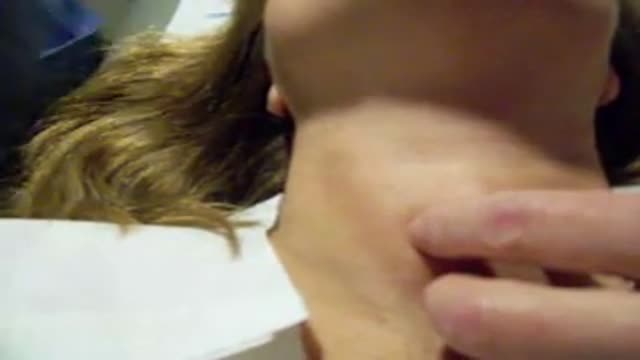
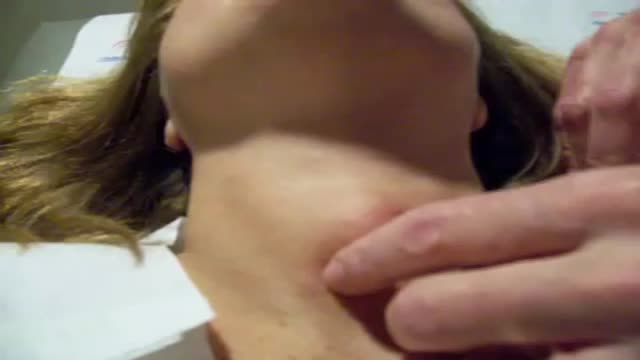
Thyroid nodules are lumps that form within the thyroid gland in the front of the neck, and they are very common. This page explains what they are, their symptoms, causes, diagnosis, and treatment in plain language, with videos to help you follow the key points.
✓ Medically reviewed by Dr. Mohamed Ibrahim, MD, PhD — physician-scientist · Last reviewed: November 2026
In short: Most thyroid nodules are harmless and cause no symptoms, and many are found by chance on scans done for other reasons. A small minority contain cancer, so new neck lumps are checked with examination, blood tests, ultrasound, and sometimes a needle sample.
Watch: Thyroid Nodules videos
Read: the plain-language guide
Overview
The thyroid is a butterfly-shaped gland that sits low in the front of the neck and makes hormones that control metabolism. A nodule is simply a lump of thyroid cells that has grown more than the tissue around it; nodules can be solid or filled with fluid. They become more common with age. The large majority of nodules are benign, but each new lump deserves a proper assessment to sort out the few that need treatment.
Symptoms
Most thyroid nodules cause no symptoms at all and are noticed by chance, by a doctor during an examination, or on a scan of the neck. Larger nodules may show as a visible swelling at the base of the neck or be felt when swallowing. A big nodule or cluster can press on nearby structures, causing a feeling of tightness, difficulty swallowing, or breathlessness when lying flat. Occasionally a nodule makes extra thyroid hormone, causing palpitations, shakiness, weight loss, and heat intolerance. Pain is uncommon and usually follows bleeding into a fluid-filled nodule.
Causes & risk factors
Nodules form when thyroid cells grow unevenly, and the exact reason is often unclear. Iodine deficiency, still common in some parts of the world, encourages the gland to enlarge and form nodules. Inflammation of the thyroid, including the autoimmune condition Hashimoto thyroiditis, can also produce lumps. Fluid-filled cysts result from degeneration within the gland. A small proportion of nodules are cancers, and risk is higher with a family history of thyroid cancer or radiation exposure to the neck in childhood.
How it's diagnosed
Assessment starts with examination of the neck and a blood test of thyroid function. An ultrasound scan is the key test: it shows the nodule's size, whether it is solid or fluid-filled, and features that raise or lower concern. Nodules that look suspicious or are above a certain size are sampled with a fine needle, which collects cells for the laboratory — a quick clinic procedure called fine needle aspiration. Results place the nodule in a risk category that guides whether it can simply be watched, sampled again, or removed.
Treatment overview
Most nodules need no treatment beyond monitoring with repeat ultrasound at intervals your specialist advises, since benign nodules usually grow slowly or not at all. Surgery to remove part or all of the thyroid may be recommended if the needle sample suggests cancer, if results are uncertain, or if a large nodule causes swallowing or breathing problems. Nodules that overproduce hormone can be treated with surgery or radioactive iodine. Fluid-filled cysts that keep refilling can be drained or treated in clinic. Thyroid hormone tablets are not routinely used to shrink benign nodules.
When to seek care
A neck lump that grows quickly, a hoarse voice that does not settle, or difficulty breathing or swallowing needs prompt assessment rather than routine monitoring. Any new lump in the neck of a child or teenager should always be checked promptly.
Frequently asked questions
Are thyroid nodules usually cancer?
Most thyroid nodules are not cancer; the large majority prove benign after assessment. Because a small minority are cancers, doctors use ultrasound features and, when needed, a needle sample to identify the ones that need removal.
Do thyroid nodules need to be removed?
Many thyroid nodules never need removal and are simply watched with periodic ultrasound. Surgery is usually advised when sampling suggests cancer, when results are inconclusive in a larger nodule, or when the lump presses on the windpipe or gullet.
Can thyroid nodules affect my thyroid hormone levels?
Most nodules leave hormone levels normal, but some become overactive and make too much hormone, causing palpitations, weight loss, and shakiness. A blood test of thyroid function is part of every nodule assessment for this reason.
How is a thyroid nodule needle biopsy done?
Fine needle aspiration uses a thin needle, guided by ultrasound, to collect a small sample of cells from the nodule in clinic. It takes a few minutes, and the cells are examined in a laboratory to guide the next steps.
More in Hormones & Metabolism
Related topics on MedicalVideos.com
Sources & further reading
Authoritative references for readers who want to go deeper:
This page is for general education only and is not medical advice. Most thyroid nodules are benign, but a rapidly growing neck lump or new hoarseness should not wait for a routine review — book a prompt assessment.