
- Physical Examination
- Surgical Examination
- Ophthalmology
- Clinical Skills
- Orthopedics
- Surgery Videos
- Laparoscopy
- Pediatrics
- Funny Videos
- Cardiothoracic Surgery
- Nursing Videos
- Plastic Surgery
- Otorhinolaryngology
- Histology and Histopathology
- Neurosurgery
- Dermatology
- Pediatric Surgery
- Urology
- Dentistry
- Oncology and Cancers
- Anatomy Videos
- Health and Fitness
- Radiology
- Anaesthesia
- Physical Therapy
- Pharmacology
- Interventional Radiology
- Cardiology
- Endocrinology
- Gynecology
- Emergency Medicine
- Psychiatry and Psychology
- Childbirth Videos
- General Medical Videos
- Nephrology
- Physiology
- Diet and Food Health
- Diabetes Mellitus
- Neurology
- Women Health
- Osteoporosis
- Gastroenterology
- Pulmonology
- Hematology
- Rheumatology
- Toxicology
- Nuclear Medicine
- Infectious Diseases
- Vascular Disease
- Reproductive Health
- Burns and Wound Healing
- Kidney Zone Podcast
- Other
Hyperparathyroidism
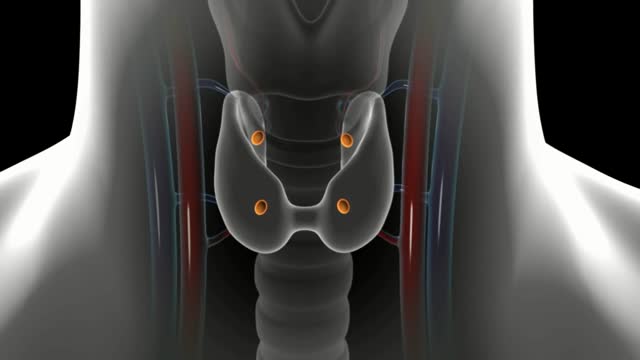
Hyperparathyroidism is a condition in which the parathyroid glands make too much parathyroid hormone, raising the calcium level in the blood. This page explains its symptoms, causes, diagnosis, and treatment in plain language, with videos to help you follow the key points.
✓ Medically reviewed by Dr. Mohamed Ibrahim, MD, PhD — physician-scientist · Last reviewed: November 2026
In short: The four small parathyroid glands in the neck control blood calcium. When one or more becomes overactive, calcium climbs and can quietly weaken bones, form kidney stones, and cause tiredness and low mood — which is why it is often found on a routine blood test.
Watch: Hyperparathyroidism videos
Read: the plain-language guide
Overview
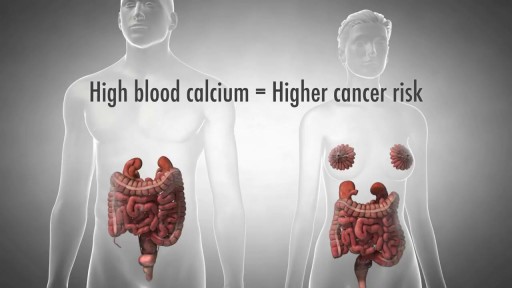
Parathyroid hormone tells the bones to release calcium, the kidneys to keep it, and the gut to absorb more of it. In primary hyperparathyroidism, one gland usually develops a benign growth and ignores the usual stop signals. In the secondary form, the glands overwork in response to another problem, most often kidney disease or vitamin D deficiency. Mild disease may cause no symptoms at all and is often spotted when a blood test shows high calcium. Left untreated over years, excess hormone thins the bones and raises the risk of stones and kidney damage.
Symptoms
Many people feel nothing and learn of the condition from a blood test. When symptoms occur they are often vague: tiredness, low mood, poor concentration, aches in bones and joints, and muscle weakness. Higher calcium can cause thirst, passing urine more often, constipation, nausea, and tummy pain. Kidney stones are a classic clue, and bone thinning may only show up as a fracture after a minor fall. Doctors sum this up as 'bones, stones, groans, and moans'.
Causes & risk factors
Primary hyperparathyroidism is most often caused by a single benign growth, called an adenoma, in one parathyroid gland. Less commonly, all four glands enlarge, sometimes as part of an inherited condition that affects several hormone glands. Radiation to the neck and certain medicines are occasional contributors. Secondary hyperparathyroidism develops when the glands are driven by another problem — failing kidneys, very low vitamin D, or poor calcium absorption — rather than by a gland fault itself. Distinguishing the two forms matters because their treatment differs.
How it's diagnosed
The key test is a blood calcium level checked alongside parathyroid hormone: high calcium with a high or unsuppressed hormone level points to primary disease. Doctors usually repeat the tests to confirm, and check vitamin D, kidney function, and calcium in a urine collection to exclude look-alike causes. A bone density scan looks for thinning, and kidney imaging may check for stones. If surgery is planned, neck scans help the surgeon locate the overactive gland before the operation.
Treatment overview
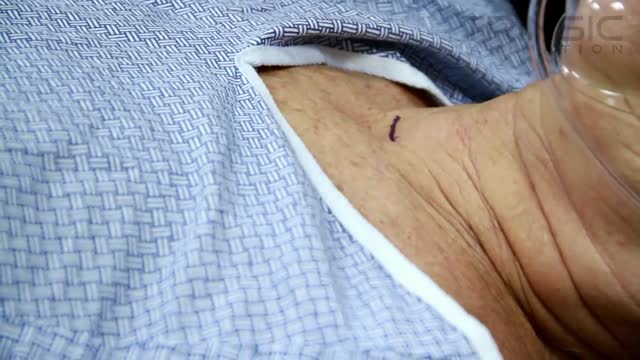
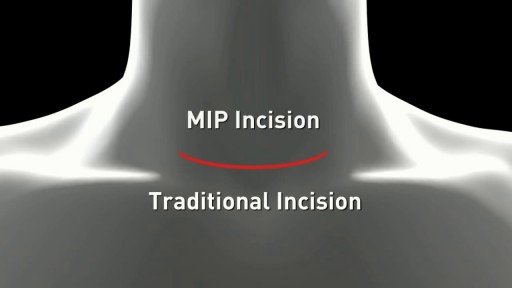
Surgery to remove the overactive gland is the only cure for primary hyperparathyroidism, and your surgeon may recommend it if calcium is clearly raised, bones are thinning, stones have formed, or you are younger. People with mild disease who do not have surgery are monitored with regular blood tests and bone scans, and advised to stay well hydrated and keep active. Medicines can lower calcium or protect bone in selected patients who cannot or do not wish to have surgery. Secondary disease is treated by correcting the driver, such as vitamin D deficiency or kidney disease, under specialist care.
When to seek care
Very high calcium is an emergency: severe thirst and dehydration, vomiting, confusion, drowsiness, or abdominal pain with constipation needs urgent hospital care. Kidney stone pain with fever, or being unable to pass urine, also needs same-day emergency assessment.
Frequently asked questions
What is the difference between hyperparathyroidism and hyperthyroidism?
Despite the similar names, they involve different glands: hyperparathyroidism affects the small parathyroid glands in the neck and raises blood calcium, while hyperthyroidism affects the thyroid gland and speeds up metabolism. They are separate conditions with different tests and treatments.
Does hyperparathyroidism always need surgery?
Surgery is the only cure for primary hyperparathyroidism, but not everyone needs it straight away. People with mild blood changes, normal bones, and no stones are often safely monitored with regular tests, and the decision is made with a specialist.
Can hyperparathyroidism damage the kidneys?
Long-standing high calcium can form kidney stones and, over time, reduce kidney function. This is one reason doctors monitor calcium and kidney tests regularly and may recommend surgery when stones or kidney changes appear.
Should I stop eating calcium if I have hyperparathyroidism?
Cutting out dietary calcium is generally not advised, because it can stimulate the glands further and does not fix the hormone problem. Staying well hydrated matters more, and any diet changes or supplements should be discussed with your doctor.
More in Hormones & Metabolism
Related topics on MedicalVideos.com
Sources & further reading
Authoritative references for readers who want to go deeper:
This page is for general education only and is not medical advice. High calcium from hyperparathyroidism can become dangerous if it climbs quickly, so confusion, vomiting, or severe thirst with dehydration needs urgent hospital assessment.